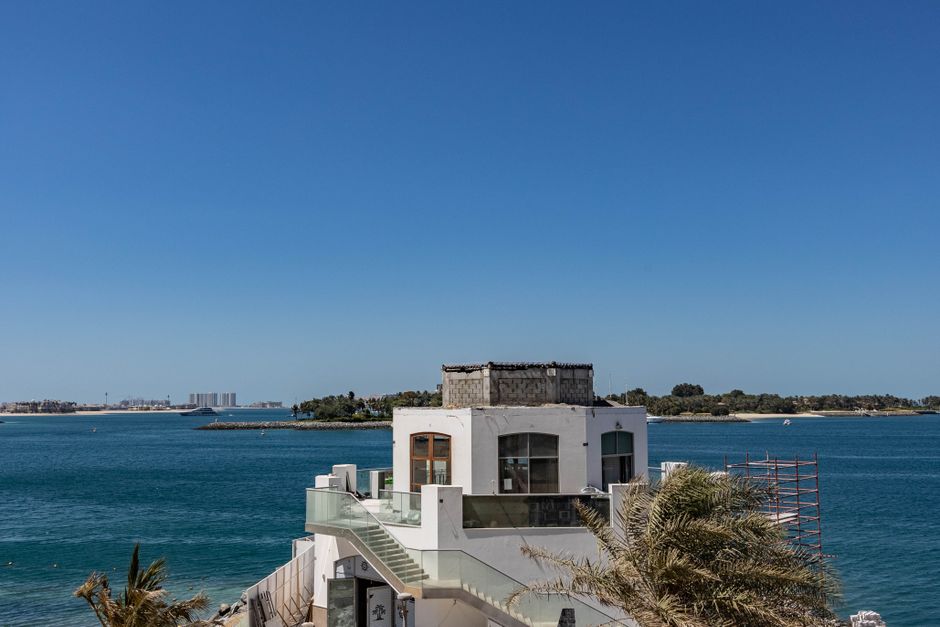
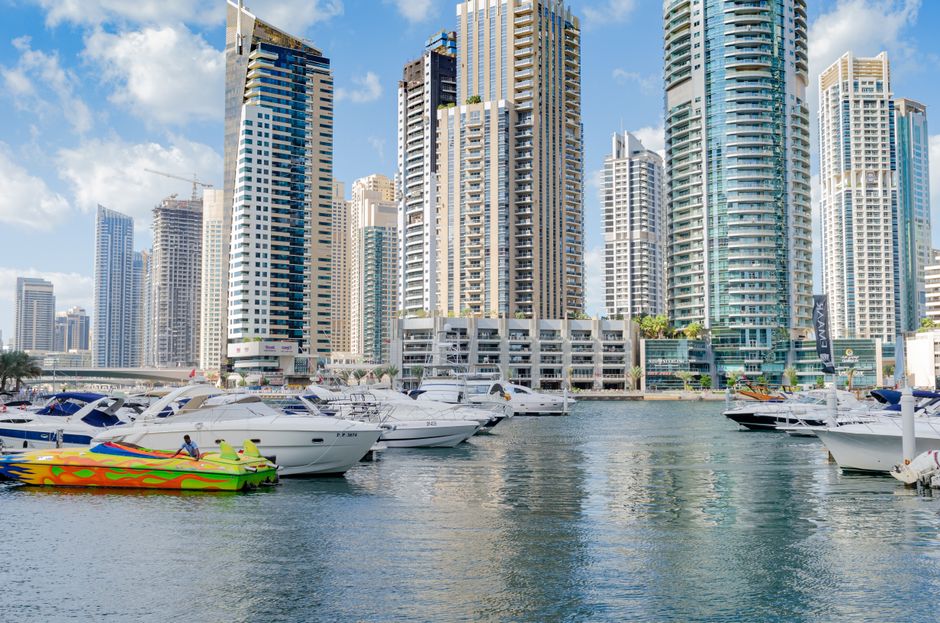
New mega-projects reshape Dubai's affordability map as developers race to capture middle-income buyers
As supply floods emerging zones like Ras Al Khor and Mohammad Bin Rashid City, pricing pressure builds across traditional mid-range strongholds.
As supply floods emerging zones like Ras Al Khor and Mohammad Bin Rashid City, pricing pressure builds across traditional mid-range strongholds.
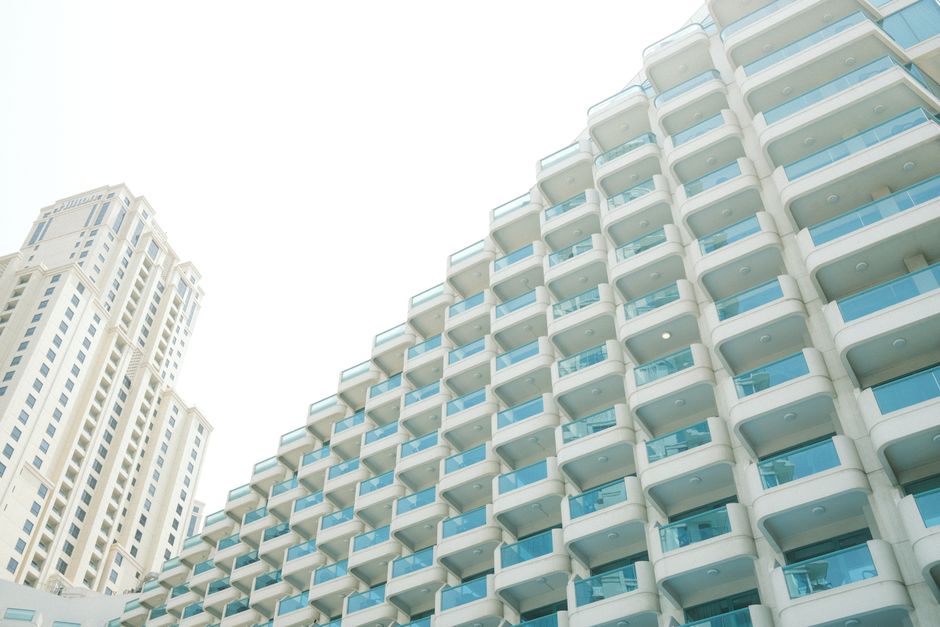
Dubai's property landscape is being redrawn by an unprecedented wave of new developments, and the ripple effects are already reshaping affordability across the emirate's residential map. With the city's average price holding steady around AED 1,600 per square foot, the real story lies in where new projects are landing—and how they're disrupting neighbouring markets.
The expansion into secondary zones is the headline. Ras Al Khor, once dismissed as peripheral, is attracting serious developer interest with phased mixed-use schemes that promise villa communities and mid-rise apartments at 15-20% below Downtown pricing. Meanwhile, Mohammad Bin Rashid City's later phases continue to absorb spillover demand from investors priced out of established enclaves like JBR and JVC. The golden visa programme, now nine years into its cycle, shows no signs of cooling buyer appetite—but where that appetite lands is shifting.
Traditional mid-range neighbourhoods face a squeeze. JVC and JLT, long the yield-hunters' terrain, are seeing rental competition intensify as new supply swells in adjacent zones. A two-bedroom apartment in JVC that once commanded AED 2,100-2,300 per sqft now sits alongside cheaper comparables in emerging projects just 5km away. Developers understand the math: build further out, capture aspiring buyers, and offer better value. The strategy is working. Land sales data for vacant plots in emerging zones have accelerated, signalling developer confidence in the arbitrage opportunity.
Yet luxury zones remain insulated. Downtown Dubai and Palm Jumeirah developments continue to command premium pricing, with waterfront positioning on The Palm supporting prices north of AED 3,500 per sqft. These aren't competing for the same buyer cohort as Ras Al Khor—they're catering to ultra-high-net-worth investors and end-users for whom location and prestige justify the premium. The bifurcation is becoming more pronounced.
What's changing fastest is buyer choice. Two years ago, limited inventory in sought-after zones meant less negotiating power. Today's new project announcements—particularly those offering flexible payment plans and phased delivery—are giving middle-income purchasers genuine alternatives. A first-time buyer can now seriously consider an off-plan villa in an emerging community versus a secondary market apartment in a familiar neighbourhood, with stronger value metrics favouring the former.
Developers are reading the market correctly. The next 24 months will test whether this supply wave sustainably absorbs demand or simply creates pockets of oversupply. For now, affordability is improving—but only for buyers willing to look beyond the traditional zones that have dominated Dubai's narrative for a decade.
This article was compiled by AI from the sources linked above and screened before publishing. See our editorial standards.
How does this story make you feel?
Spread the word
About this article
Published by The Daily Dubai
Daily brief
Free, in your inbox before 7am. Weekdays.
More in Property