Dubai's Real Estate Regulatory Agency quietly introduced revised development guidelines last quarter that have already begun reshaping where capital flows and what gets built. The changes—affecting plot-ratio densities, mixed-use permissions, and expedited approval timelines for sustainability-certified projects—are proving as consequential as any market correction.
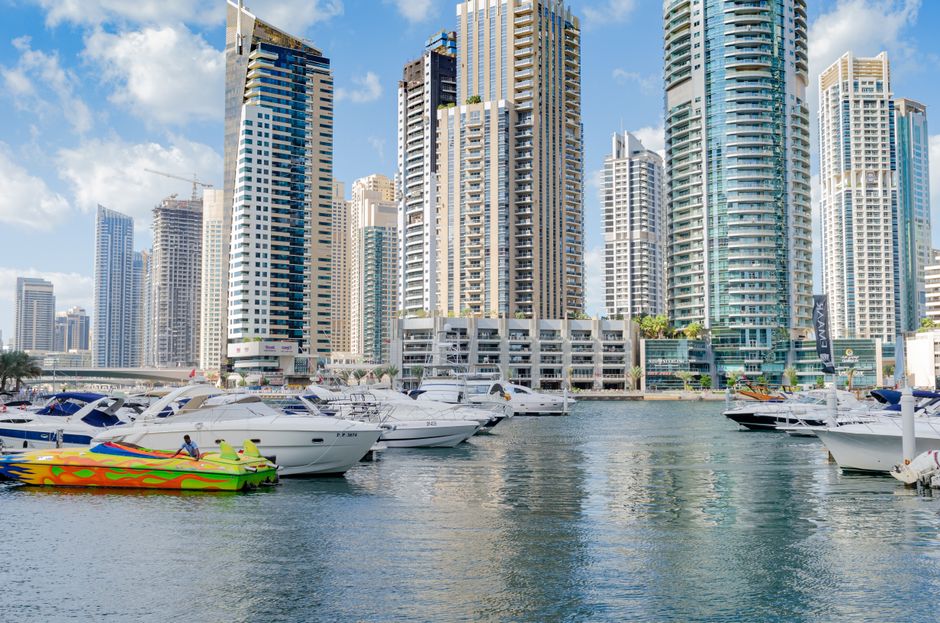
The impact is most visible in emerging corridors. Mohammed Bin Rashid City and Ras Al Khaimah's adjacency zones are seeing accelerated approvals for mid-rise residential, while traditional strongholds like Dubai Marina and JBR waterfront face tighter constraints on densification. One notable shift: the RERA's decision to permit ground-floor commercial in previously residential-only precincts along Al Wasl Road and near Dubai Hills Estate has triggered speculative interest from boutique developers eyeing mixed-use yields.
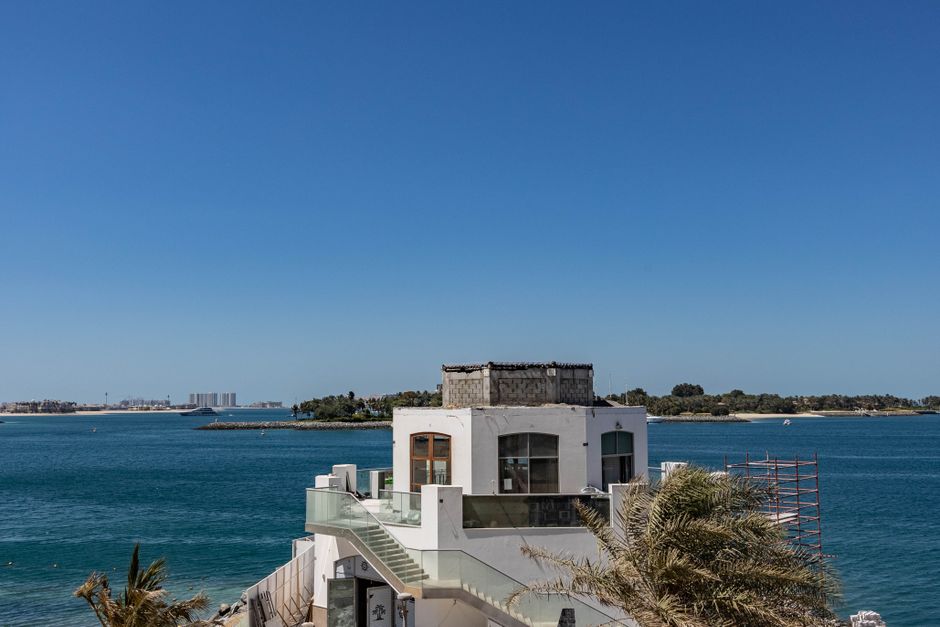
Prices reflect this policy tilt. Secondary locations—Jumeirah Village Circle and Jebel Ali—are experiencing approval-led appreciation, with land values climbing 8-12% since policy announcement, compared to 3-4% in constrained zones. Downtown Dubai and Palm Jumeirah, already trading at AED 1,800-2,200 per sqft for prime apartments, are now seeing approval backlogs stretch 18-24 months for renovation or expansion permits.
The golden visa programme remains a demand anchor, but supply elasticity has become the real story. By decoupling affordability zones from strict height restrictions, planners have effectively created tiered development pathways. Communities like JVC and JLT—yielding 4-5% for mid-range rentals—are witnessing landlord interest in hold-and-develop strategies, knowing future densification approvals could unlock significantly higher plot values.
Sustainability mandates buried in the fine print are perhaps most consequential. Projects incorporating solar, green building materials, and water recycling now receive 20-30% faster approvals and property-tax incentives. Several major developers have already retooled pipelines to capture this advantage, signalling a permanent shift in construction methodology rather than a temporary compliance measure.
Real estate consultants caution that policy arbitrage—the ability to profit from regulatory inconsistencies—may not persist. Expect RERA to harmonise rules across zones within 12-18 months. Smart investors are positioning now in corridors poised for policy standardisation, while speculative builders face genuine risk if approvals tighten unexpectedly.
The broader message: Dubai's supply pipeline remains elastic, but no longer uniformly so. Where you can build, at what density, and how quickly, now depends less on economics and more on alignment with evolving planning doctrine. That's a material shift for a market accustomed to capital-driven solutions.
This article was compiled by AI from the sources linked above and screened before publishing. See our editorial standards.