How Dubai's New Development Pipeline Is Reshaping Rental Vacancy Across Key Communities
Major residential projects in JLT, Dubai Marina, and Arabian Ranches are flooding the market with supply—here's what tenants need to know.
Major residential projects in JLT, Dubai Marina, and Arabian Ranches are flooding the market with supply—here's what tenants need to know.
Dubai's rental market is entering a critical inflection point. With over 15,000 new residential units expected to complete across the emirate by 2027, vacancy rates are climbing faster than they have in five years—and savvy tenants are seizing the opportunity.
The shift is most pronounced in Jumeirah Lake Towers and Business Bay, where completion of mid-rise developments along Al Wasl Road and near the lake's eastern spine has pushed vacancy into double digits for the first time since 2019. Studio and one-bedroom units—the backbone of JLT's rental appeal—are seeing discounts of 8–12% year-on-year, according to market monitors tracking residential transactions at RERA. Average rents in JLT have softened to AED 1,450 per square foot, down from AED 1,580 just eighteen months ago.
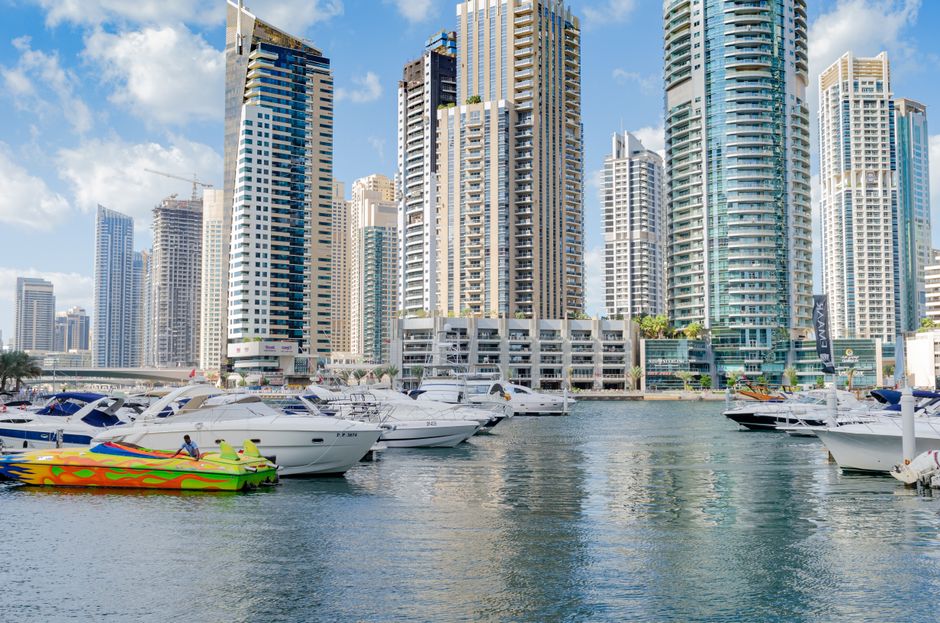
Dubai Marina and Palm Jumeirah, traditionally luxury strongholds, are experiencing a different pressure. The completion of Emaar's Beachfront projects and multiple new towers near the Marina Promenade have expanded supply among high-end apartments, though price deterioration has been modest—luxury segments typically absorb new stock more slowly. Rents for three-bedroom apartments here remain anchored around AED 220,000–250,000 monthly, but landlords are increasingly offering furnished incentives and flexible lease terms to secure tenants.
The real transformation is happening in emerging communities. Arabian Ranches, Damac Hills, and the rapidly developing pockets around Meydan Avenue are seeing new supply arrive in waves. These neighbourhoods, which attracted investors seeking rental yields through the 2023–2024 boom, are now facing the inevitable correction. Developers are marketing move-in incentives—free maintenance periods, waived registration fees, and furnished options—to differentiate their projects.
For tenants, this environment demands strategic timing. Properties in saturated zones like JLT offer genuine negotiating power; landlords who listed units six months ago are now more flexible on price and contract length. Conversely, new developments in outer growth corridors like Dubai South and near the Mohammed Bin Rashid City expansion are still attracting early-mover premiums.
The 10-year golden visa programme continues driving underlying demand, particularly for family-sized units in school-proximate areas like Jumeirah 1 and Arabian Ranches. But this demand is increasingly selective. Tenants are no longer accepting premium pricing for dated finishes or poor locations; new-build amenities—gyms, co-working spaces, smart-home features—have become baseline expectations.
Market analysts suggest the current window of tenant advantage will narrow by Q4 2026 as oversupply concerns ease. Renters seeking better terms should act before autumn, particularly in centrally-located mid-range developments where landlord competition is fiercest.
This article was compiled by AI from the sources linked above and screened before publishing. See our editorial standards.
How does this story make you feel?
Spread the word
About this article
Published by The Daily Dubai
Daily brief
Free, in your inbox before 7am. Weekdays.
More in Property