Dubai's rental market is undergoing a quiet recalibration. While Downtown Dubai and Palm Jumeirah remain the luxury preserve—commanding AED 200+ per square foot annually—a series of recent planning decisions and infrastructure commitments are fundamentally reshaping rental economics across the emirate.
The catalyst? A combination of updated land-use zoning near Dubai's business corridors, accelerated metro connectivity projects, and the continued ripple effect of the 10-year golden visa scheme driving residential demand beyond traditional hotspots. The result is measurable: mid-range areas like Jumeirah Village Circle (JVC) and Jumeirah Lake Towers (JLT) are experiencing yield compression as supply catches up, while emerging locations benefit from strategic planning approvals.
At the macro level, Dubai's average rent sits around AED 1,600 per square foot annually—a plateau influenced by oversupply in secondary markets and persistent investor caution. But the real story lies in where landlords and renters are pivoting. Last month's approval of mixed-use zoning amendments in areas bordering Mohammed Bin Rashid City signalled official intent to densify residential stock beyond JVC and JLT. Property values in peripheral but connected communities—think Dubailand's outer zones and emerging pockets near the Dubai Production City—are responding accordingly, with rents holding steadier than in over-built JBR.
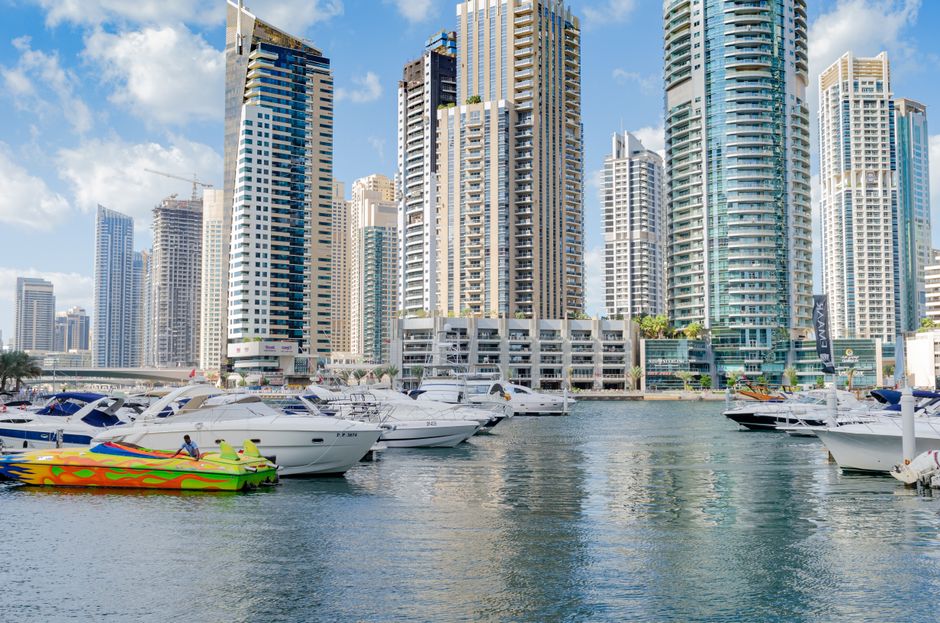
The waterfront JBR model, long synonymous with young professional rentals, faces structural headwinds. Ageing building stock, rising maintenance fees, and regulatory pressure on short-term lets have compressed net yields. Meanwhile, planners' recent push to develop the Ras Al Khor corridor—historically industrial—into mixed-use residential is already attracting early-mover interest from value-conscious renters willing to trade lifestyle cachet for genuine affordability and newer infrastructure.
Transport policy amplifies this shift. Planned metro extensions and the continued rollout of bus rapid transit systems have upgraded connectivity from previously peripheral areas. A two-bedroom apartment in emerging precincts near these corridors now commands premiums over equivalent JLT stock—a reversal unthinkable three years ago.
For renters, the practical takeaway is clear: policy-driven supply and connectivity often outpace market sentiment. The best-value suburbs today are those with recent planning approvals and demonstrated infrastructure investment—not necessarily the established names. Savvy renters are already repositioning, seeking newer builds in approved zones where landlords, competing on supply rather than location prestige, offer genuine value. The golden visa influx continues fuelling demand, but planning decisions ultimately determine where that demand lands economically.
This article was compiled by AI from the sources linked above and screened before publishing. See our editorial standards.