Blueprint for Change: How Dubai's New Megaprojects Are Reshaping Neighbourhood Price Tags
From Sobah to Ras Al Khor, emerging developments are creating unexpected affordability pockets—but not where you'd expect.
From Sobah to Ras Al Khor, emerging developments are creating unexpected affordability pockets—but not where you'd expect.
Dubai's property landscape has always been defined by waves of transformation, and 2026 is no exception. As major residential and mixed-use projects take shape across the emirate, they're triggering a ripple effect that extends far beyond the construction sites themselves—one that's fundamentally altering affordability dynamics in surrounding areas.
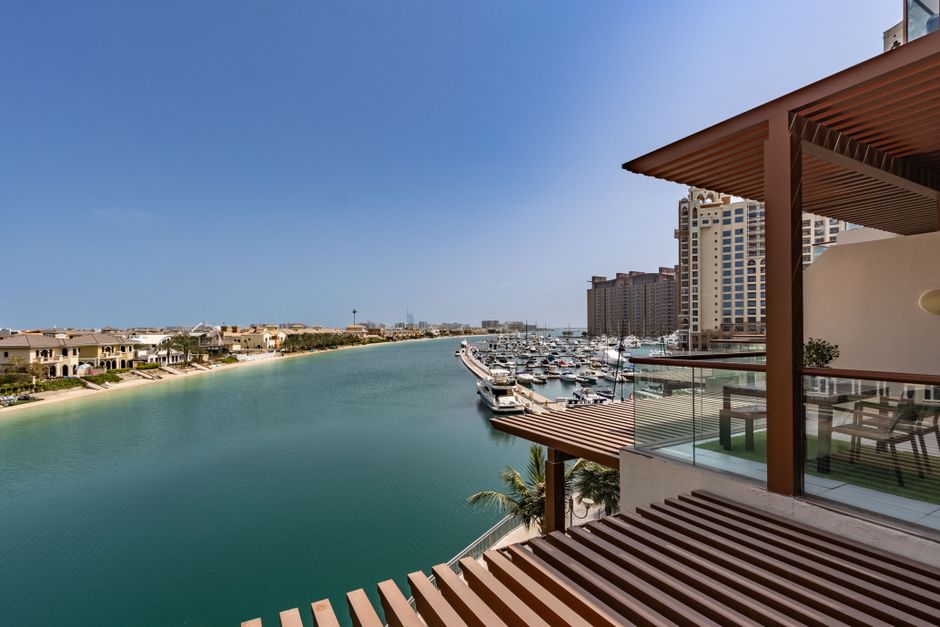
The ongoing expansion in Ras Al Khor, traditionally overlooked by mainstream buyers, is a textbook example. With new waterfront residential towers and a regenerated retail corridor now underway, off-plan prices in adjacent pockets have climbed from around AED 1,200 per square foot two years ago to approximately AED 1,550 today. Yet paradoxically, completion timelines for these projects—many stretching to 2028-2029—are creating a curious window of opportunity. Developers, keen to manage pre-launch inventory, are offering flexible payment plans that make entry-level units more accessible than the headline figures suggest.
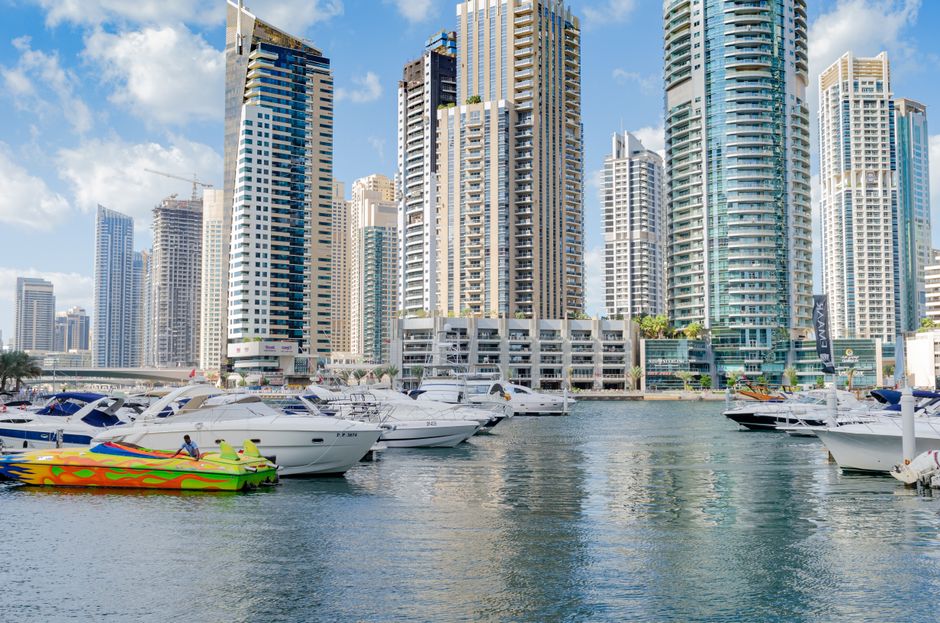
Conversely, the Sobah development initiative in Jumeirah is producing an unexpected secondary effect. As luxury construction intensifies around the Marina and Palm Jumeirah perimeters, families seeking comparable lifestyle amenities at lower price points are increasingly turning their attention to adjacent communities like Dubai Marina's older blocks. Here, older apartment stock is experiencing modest price stabilisation—currently hovering at AED 1,400-1,500 per sqft for one-bed units—as buyers recognise these neighbourhoods offer established infrastructure without the premium attached to shiny new addresses.
The Dubai Land Department's recent golden visa initiatives have accelerated this geographical spread. Longer visa validity is drawing investors who can afford to wait out construction phases, effectively unlocking capital in mid-range zones like JVC and JLT. These communities, buffered by proximity to new arterial roads and improved metro connectivity linked to emerging projects, are experiencing modest yield improvements—currently 4-5 percent annually, up from 3.5 percent in 2024.
What's particularly noteworthy is the gap between headline prices and actual transaction behaviour. New projects routinely advertise penthouses starting at AED 3.5 million in prime zones, yet buyers are increasingly exploring studio and one-bedroom units in adjacent neighbourhoods—often AED 800,000-1.2 million—that offer comparable access to planned retail, hospitality, and recreational amenities once these developments mature.
The pattern is clear: large-scale projects aren't simply inflating neighbourhood values uniformly. They're fragmenting the market, creating pockets of relative affordability within walking distance of tomorrow's hotspots. For savvy buyers willing to look beyond the glossy marketing materials, this construction cycle may represent the last genuine opportunity to gain meaningful exposure to high-growth zones before completion cycles fully reset prices upward.
This article was compiled by AI from the sources linked above and screened before publishing. See our editorial standards.
How does this story make you feel?
Spread the word
About this article
Published by The Daily Dubai
Daily brief
Free, in your inbox before 7am. Weekdays.
More in Property