Dubai's property market has entered a curious phase. While headline prices hover around AED 1,600 per square foot citywide, the real story isn't about averages—it's about the forces reshaping where money flows and why smart buyers are paying attention to timing.
The ten-year golden visa scheme continues to be the elephant in the room. Introduced in 2019 but turbo-charged through international marketing in the past eighteen months, it has created a sustained wave of high-net-worth buyers seeking long-term residency anchors. The effect? Downtown Dubai and Palm Jumeirah luxury units have seen double-digit appreciation year-on-year, with waterfront properties along the JBR strip commanding premium valuations. A three-bedroom villa in Palm Jumeirah now routinely breaks AED 4 million—a figure that would have seemed outlier-ish three years ago.
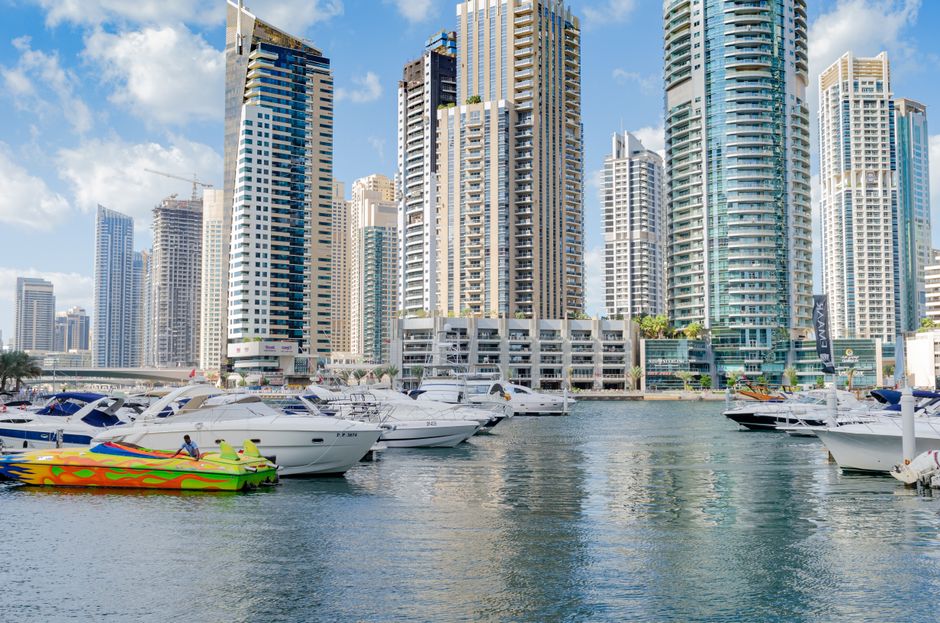
But here's what investors should grasp: the visa effect has created a two-tier market. While Downtown and beachfront locations attract visa-backed capital, mid-range buyers are migrating toward JVC and JLT, where rental yields remain competitive and entry prices sit lower. These Jump Lake and Jumeirah Lake Towers postcodes are increasingly where value-conscious expatriates land, particularly those prioritising rental income over capital appreciation.
Regulation and clarity have also firmed buyer confidence. The introduction of standardised property registration processes and clearer off-plan buyer protections under RERA guidelines has reduced friction for international purchasers unfamiliar with Dubai's real estate frameworks. This institutional hardening—invisible to headlines but crucial on the ground—has smoothed capital inflow.
What should buyers know entering H2 2026? First, golden visa demand will likely remain steady but won't accelerate infinitely; expect price growth to moderate from recent peaks. Second, the spread between luxury beachfront and established mid-range communities has widened enough that yield-seekers should examine projects in Jumeirah Village Circle and JLT carefully—rents haven't fallen, but purchase prices have stabilised, improving cash-on-cash returns. Third, villa communities within 15 minutes of Downtown are attracting families seeking space without the ultra-premium positioning of Palm or Emirates Hills.
The clearance rate on land sales recently hit new lows, signalling that speculative excess is being wrung out. This is healthy. It means today's buyers are not buying into a frothy market, but rather one settling into new equilibrium driven by genuine long-term demand.
The message: Dubai's market isn't cooling. It's clarifying. For those willing to look beyond the luxury headline numbers, opportunity still exists.
This article was compiled by AI from the sources linked above and screened before publishing. See our editorial standards.