Dubai's property market is experiencing a curious paradox. While headline-grabbing megaprojects promise thousands of new homes, the fundamental affordability equation for average buyers and renters remains stubbornly difficult. New developments are reshaping entire neighbourhoods—just not always in ways that ease the cost-of-living squeeze.
The city's current development pipeline tells the story. Mega-schemes like Akoya Oxygen and Arabian Ranches 3, sprawling across thousands of plots in Dubailand and beyond, are adding substantial housing inventory. Yet these projects predominantly target mid-to-premium segments, with villas starting around AED 1.2m to AED 2.5m. While technically more affordable than Downtown Dubai or Palm Jumeirah's AED 2,000+ per square foot, they still demand entry tickets beyond reach for many working professionals.
The real impact emerges in secondary markets. As developers and investors pivot toward outlying communities, established mid-range neighbourhoods like Jumeirah Village Circle and Jumeirah Lake Towers face unexpected pressure. Older apartment stock that once anchored affordability—renting for AED 70,000–90,000 annually—now attracts investor attention and gentrification. Landlords see comparable new units in neighbouring developments and reset expectations upward. Rental yields that justified modest properties five years ago no longer pencil out, accelerating conversions to higher-specification stock.
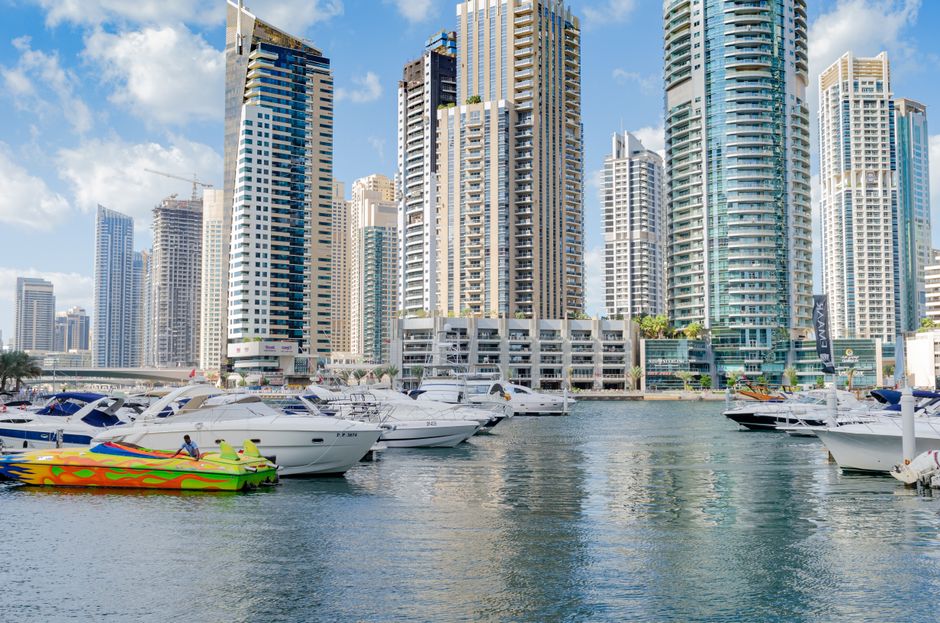
The 10-year golden visa programme has amplified this dynamic. New residential projects market directly to investors seeking residency pathways, flooding marketing channels with aspirational messaging. This investor inflow capitalises existing stock faster than supply can stabilise prices. JBR's waterfront appeal and JVC's proximity to business hubs remain sought-after, but entry-level pockets increasingly erode.
Data from the Real Estate Regulatory Agency shows the average price per square foot across Dubai holding firm near AED 1,600—but this masks significant neighbourhood divergence. New projects in emerging areas command premiums for modernity and amenities, while established rental communities see bifurcation: premium newer stock thriving, while older inventory struggles to compete or gets aggressively repositioned upmarket.
The development boom is real and welcome—but it's a paradoxical prosperity. New megaprojects add homes without meaningfully lowering barriers for first-time buyers or middle-income renters. Instead, they're reshaping the market's texture, creating pockets of modernity amid older stock caught in transition. True affordability solutions require targeted policy focus on entry-level segments—something current market dynamics, driven by investor appetite and premium development economics, show little sign of addressing.
This article was compiled by AI from the sources linked above and screened before publishing. See our editorial standards.