Dubai's development pipeline is thickening. The Real Estate Regulatory Agency approved 47 new residential and mixed-use projects in the first half of 2026, yet investor conversations have shifted from scarcity to selectivity. The question is no longer whether to buy, but where yields—not just price growth—justify capital deployment.
The numbers tell a revealing story. Traditional strongholds like Downtown Dubai and the Palm Jumeirah continue commanding premium rents, with luxury apartments consistently achieving 4.2–4.8 per cent gross yields on asking prices. A two-bedroom unit selling for AED 2.8 million typically rents for AED 12,000–14,000 monthly. Solid, predictable, but hardly spectacular for investors with conviction.
Where the real opportunity lies is in the secondary wave. Jumeirah Lake Towers (JLT) and Jumeirah Village Circle (JVC) are emerging as yield darlings. New completions in JVC's Phase 3A—townhouses and mid-rise apartments launching this quarter—are already showing 5.1–5.7 per cent rental yields. A 1,200-sqft apartment at AED 1.1 million commands AED 5,500–5,800 monthly rent. The maths work because supply is controlled, occupancy remains above 92 per cent, and tenant demand from young professionals remains sticky.
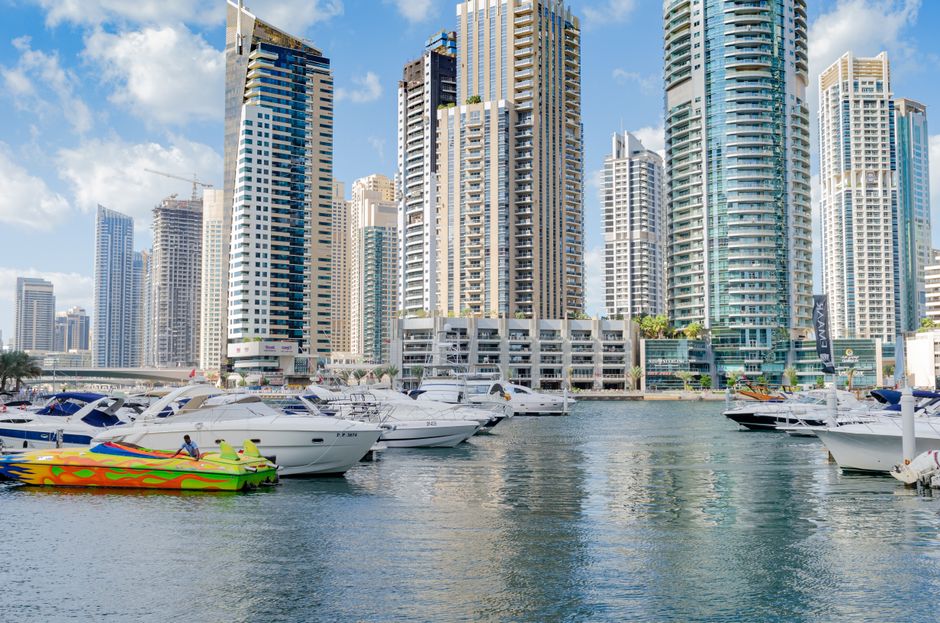
Jumeirah Beach Residence (JBR) tells a different story. Despite new penthouses and refurbished units, gross yields have plateaued at 3.8 per cent, weighted down by asking prices that have climbed 18 per cent since 2024 while rental growth has stalled. Capital appreciation has decoupled from income—a classic sign that investor appetite has driven prices ahead of fundamentals.
The golden visa effect cannot be ignored. Ten-year residency approvals have turbocharged demand for lifestyle-led locations: Jumeirah Islands villas, Arabian Ranches townhouses, and waterfront apartments along the Beach. But yields in these zones range from just 2.9–3.5 per cent, as buyers prioritise long-term residency security over cashflow.
Emerging approvals in Ras Al Khor and the Deira waterfront project signal a shift eastward. Early-bird investors in these areas—where land and construction costs remain 20 per cent below JBR benchmarks—are positioning for both yield and appreciation. Preliminary yield models suggest 5.4–6.2 per cent once 2027 completions begin leasing.
The construction surge is real, but investor returns are increasingly geography-dependent. Yield hunters should focus on second-tier neighbourhoods with occupancy momentum; those chasing capital growth will pay premium prices in established locales. The margin between the two strategies has widened—and that spread is where disciplined investors are building portfolios.
This article was compiled by AI from the sources linked above and screened before publishing. See our editorial standards.