Dubai South Property Investment: Why Investors Are Betting Billions
Dubai South offers 30-40% lower prices than city averages with 4.5%+ rental yields. New highway access and 2027 tram extension are reshaping the emirate's property landscape.
Dubai South offers 30-40% lower prices than city averages with 4.5%+ rental yields. New highway access and 2027 tram extension are reshaping the emirate's property landscape.
Dubai South—the 145-square-kilometre master-planned zone anchored by Al Maktoum International Airport—has spent a decade in the shadow of Downtown Dubai and Palm Jumeirah. Today, savvy investors are recognizing it as the emirate's next-generation growth engine, with property prices sitting 30–40% below city averages and rental yields climbing steadily above 4.5%.
The catalyst is proximity. Located 37 kilometres south of central Dubai, the zone once felt remote. But infrastructure completion has changed the calculus dramatically. The Jebel Ali–Mushrif Highway now connects Dubai South directly to Downtown in under 25 minutes during off-peak hours. By 2027, the planned tram extension will further shrink travel times, making it genuinely accessible for workforce commuters.
What's driving institutional interest is the aerospace and logistics anchor. DWC (Dubai World Central) Authority has secured commitments from FedEx, DHL, and Emaar Properties for major distribution hubs. This employment gravity well is pulling residential demand northward from Jebel Ali and westward from Sonapur. New villa clusters in South Bay and Lagoons are moving stock faster than inventory replenishment—a rare sign of organic demand rather than speculative buying.
Prices tell the story. A 2-bedroom apartment in Dubai South's residential cores averages AED 850–950 per square foot, versus the city's AED 1,600 benchmark. A three-bed villa on a 4,000-sqft plot runs AED 1.8–2.3 million, roughly half the cost of equivalent property in JVC or Arabian Ranches. Yet rental rates—AED 48,000–62,000 annually for a 2-bed—deliver yields most investors had abandoned elsewhere.
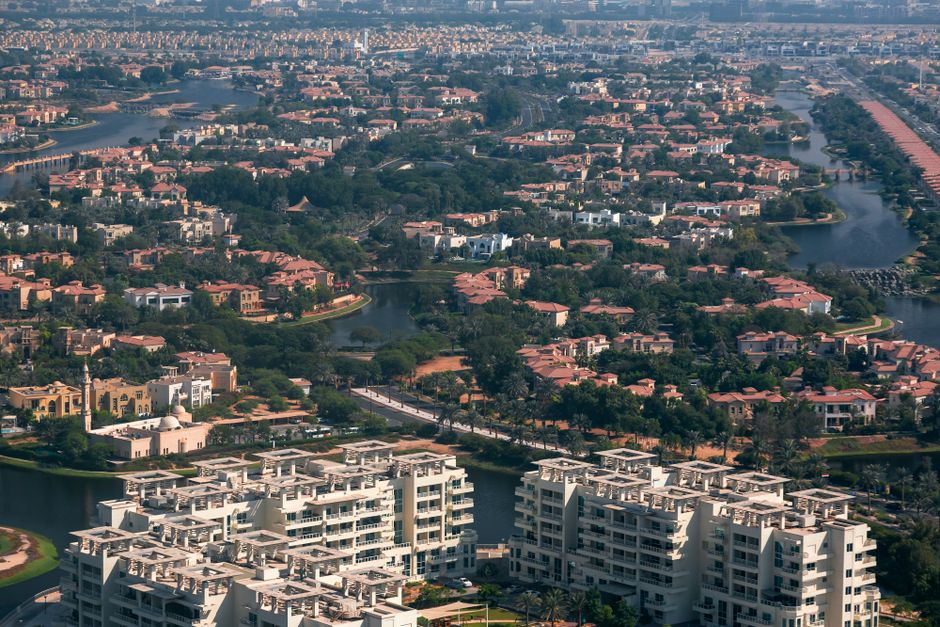
The 10-year golden visa programme has quietly amplified this effect. Families securing long-term residency status are seeking affordable family homes with genuine outdoor space. Dubai South, with its suburban villa character and planned parks along the artificial Lagoons, appeals to this demographic far more than high-rise JBR or Downtown clusters.
Of course, execution risk remains. Al Maktoum Airport's cargo operations, though accelerating, are not yet at Dubai International's scale. The waterfront amenity story—restaurants, retail around the planned Marina—is still largely architectural renderings rather than operating venues. Investors betting on Dubai South are, ultimately, betting on Dubai's southward expansion and the authority's ability to deliver promised connectivity.
For mid-cap investors with a 3–5 year horizon, the risk-reward profile is compelling. Dubai South may lack the cachet of Downtown or the prestige of Emirates Hills. But in a market correcting toward fundamentals, unsexy and undervalued is often where wealth accumulates.
This article was compiled by AI from the sources linked above and screened before publishing. See our editorial standards.
How does this story make you feel?
Spread the word
About this article
Published by The Daily Dubai
Daily brief
Free, in your inbox before 7am. Weekdays.
More in Property