What Dubai's Affordable Housing Auction Results Are ...
Recent transaction data and clearance rates in mid-market segments reveal where government incentives are working—and where supply gaps remain.
Recent transaction data and clearance rates in mid-market segments reveal where government incentives are working—and where supply gaps remain.
Dubai's property market is sending mixed signals through its auction blocks and transaction records, particularly in the affordable housing segment that government policy has worked hard to stimulate over the past three years.
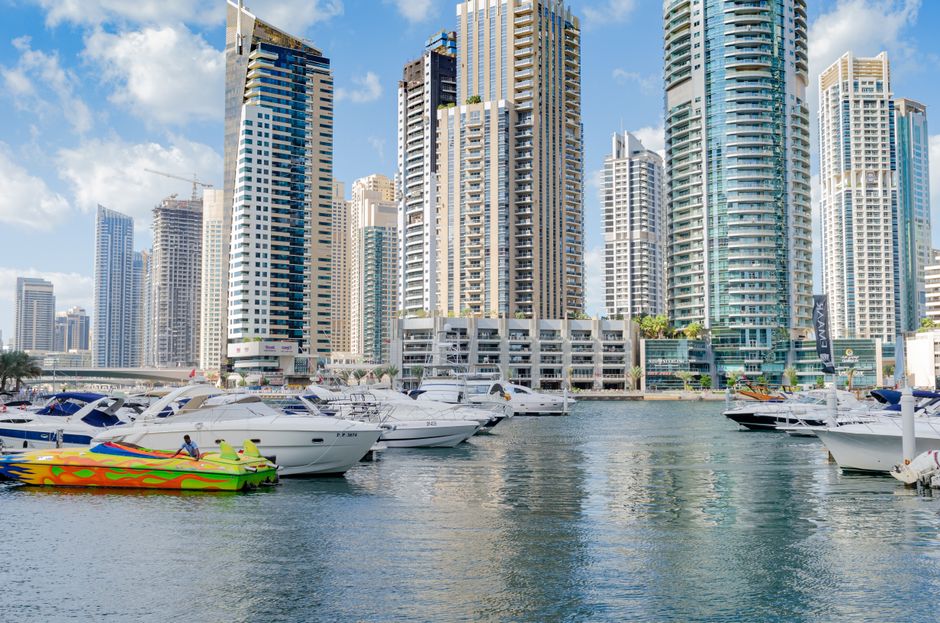
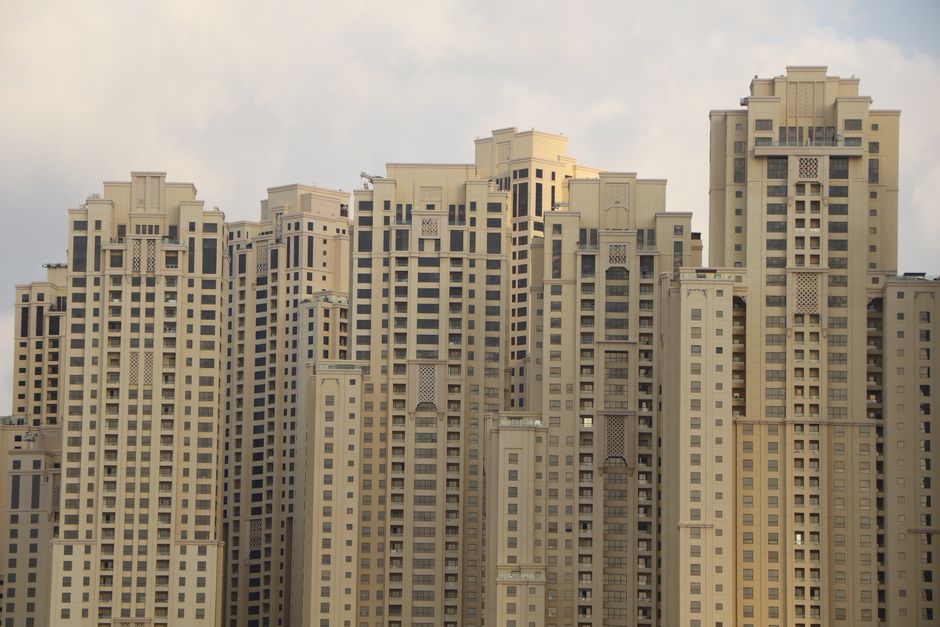
Data from recent sales in communities like JVC and JLT—traditionally the emirate's mid-range yield plays—shows activity holding steady at AED 1,200–1,400 per square foot, well below the Downtown and Palm Jumeirah luxury average of AED 1,600. Yet auction clearance rates in these zones have softened to levels last seen in 2023, suggesting buyer appetite is narrowing even as price tags remain theoretically accessible.
The signal is nuanced. Transaction volumes in one-bedroom and two-bedroom units across Jumeirah Village Circle and Jumeirah Lake Towers have remained resilient, buoyed by investor interest and end-users seeking rental yields between 4–5 percent. However, auction results for larger family units—three and four-bedroom villas and apartments—tell a different story. Unsold inventory has accumulated, hinting that even "affordable" positioning struggles without the golden visa incentive or proximity to employment hubs that JBR's waterfront command.
What's particularly revealing is where policy intervention is working. Communities with direct Dubai Municipality housing support or developer incentive schemes—such as extended payment plans and waived registration fees—have seen marginally improved clearance rates. Conversely, areas lacking such scaffolding show buyers becoming more selective and price-conscious, even when advertised units sit below the city's AED 1,600 average.
The 10-year golden visa programme, which has driven demand since 2021, continues to prop up entry-level segments in mid-range neighbourhoods. But auction data suggests this cohort is now price-sensitive: they're seeking below-market entry points, not premium positioning. This is pushing developers and secondary-market sellers to compete harder on incentives rather than hold listed prices.
Real estate analysts tracking Dubai Land Department registrations note a modest uptick in transactions under AED 1 million—primarily studios and one-beds in emerging communities—but these sit alongside rising days-on-market for units priced AED 1.2–1.8 million. The message is clear: affordability isn't just about headline price; it's about payment structure, location accessibility, and perceived rental potential.
For policymakers and developers watching these signals, the takeaway is urgent: auction clearance data in mid-market segments points to a widening gap between theoretical affordability and buyer realisation. Without targeted intervention—whether through housing allowances, developer incentives, or infrastructure investment near JVC and JLT—even well-positioned affordable stock risks prolonged inventory cycles. Dubai's next policy chapter may need to focus less on price controls and more on making mid-range ownership achievable in practice.
This article was compiled by AI and screened before publishing. See our editorial standards.
How does this story make you feel?
Spread the word
About this article
Published by The Daily Dubai
Daily brief
Free, in your inbox before 7am. Weekdays.
More in Property