The Real Numbers: What Dubai Investor Yields Actually Show in 2026
As the emirate's rental market stabilises, landlords are discovering which neighbourhoods deliver genuine returns—and where the numbers simply don't stack up.
As the emirate's rental market stabilises, landlords are discovering which neighbourhoods deliver genuine returns—and where the numbers simply don't stack up.
Dubai's property investment narrative has shifted sharply this year. While headlines celebrate record transactions and the 10-year golden visa boom, the conversation among seasoned investors has become more granular: where are rents actually rising, and what yields justify today's prices?
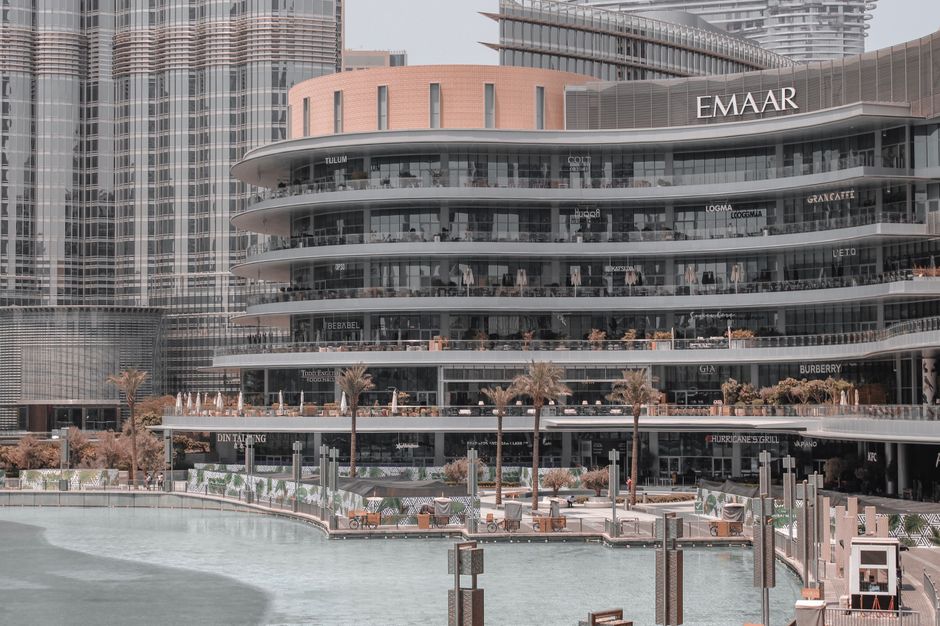
The data tells a nuanced story. Downtown Dubai and Palm Jumeirah, the city's traditional trophy addresses, continue to command premium rents but offer yields typically between 2.5% and 3.5%—respectable by luxury standards but thin compared to emerging alternatives. A three-bedroom villa on the Palm might fetch AED 280,000 annually against a purchase price of AED 8 million, yielding just 3.5%, a figure that leaves little room for maintenance, vacancy, or market correction.
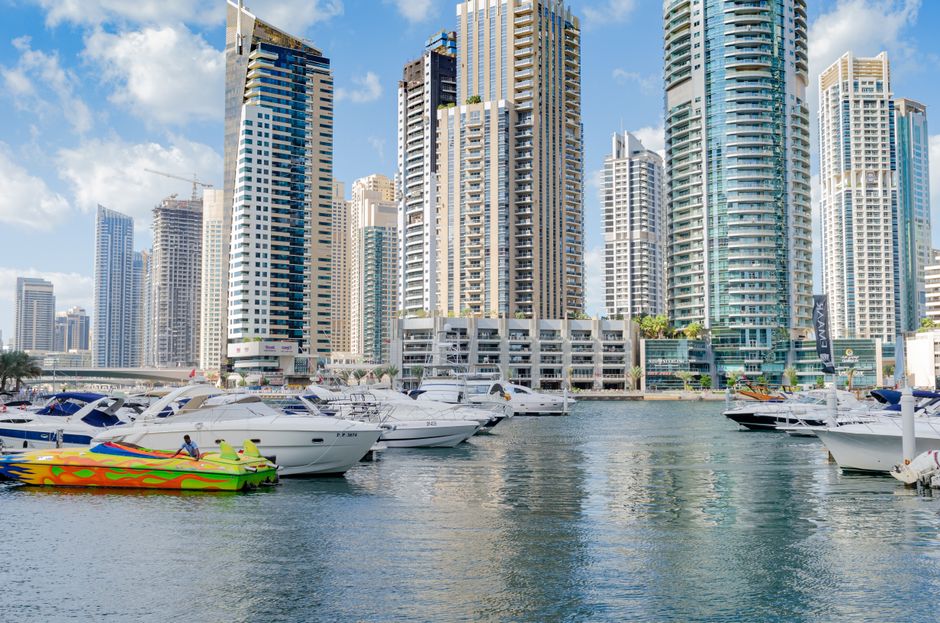
Mid-range neighbourhoods, however, are where yield hunters are finding traction. JBR's waterfront clusters consistently deliver 4.5% to 5.2%, with one-bed apartments renting between AED 85,000 and AED 95,000 annually. JVC and JLT, perennially popular with young professionals and expatriate families, show similar resilience. A two-bedroom apartment in JLT trading at AED 1.2 million can command AED 60,000 yearly rent—a respectable 5% return in a market where the citywide average hovers around AED 1,600 per square foot.
What's changed is tenant quality and lease stability. The golden visa influx has produced a different demographic: longer-term occupants, stronger credit profiles, and lower turnover. Property managers report vacancy rates have tightened to 8-10% across mainstream communities, down from 12% just two years ago. That matters. A landlord calculating yields must account for vacancy; a paper 5% yield becomes 4.5% after realistic vacancy assumptions.
The newer luxury schemes—those completed or nearing completion in areas like Ras Al Khor or the Harbour waterfront developments—present a different calculus. Higher purchase prices and competitive rental markets are keeping yields depressed at 2.8% to 3.8%. Early adopters betting on capital appreciation rather than immediate returns continue to dominate these segments.
For practical landlords, the lesson is clear: highest yields rarely coincide with lowest effort. JVC, JLT, and JBR require active management and willingness to navigate occasional tenant disputes. Downtown and the Palm offer stability and prestige but demand significantly more capital for materially lower percentage returns. The 4.5%+ yield sweet spot demands due diligence on property condition, tenant history, and community trajectory—precisely where amateurs stumble and professionals profit.
The market's maturation suggests the era of passive, premium-location investing has peaked. Yields are showing investors exactly what Dubai properties are worth today.
This article was compiled by AI from the sources linked above and screened before publishing. See our editorial standards.
How does this story make you feel?
Spread the word
About this article
Published by The Daily Dubai
Daily brief
Free, in your inbox before 7am. Weekdays.
More in Property