How mega-projects are reshaping Dubai's luxury postcodes
Major new developments in Downtown, Palm Jumeirah and Arabian Ranches are redefining what ultra-premium living means in the emirate.
Major new developments in Downtown, Palm Jumeirah and Arabian Ranches are redefining what ultra-premium living means in the emirate.
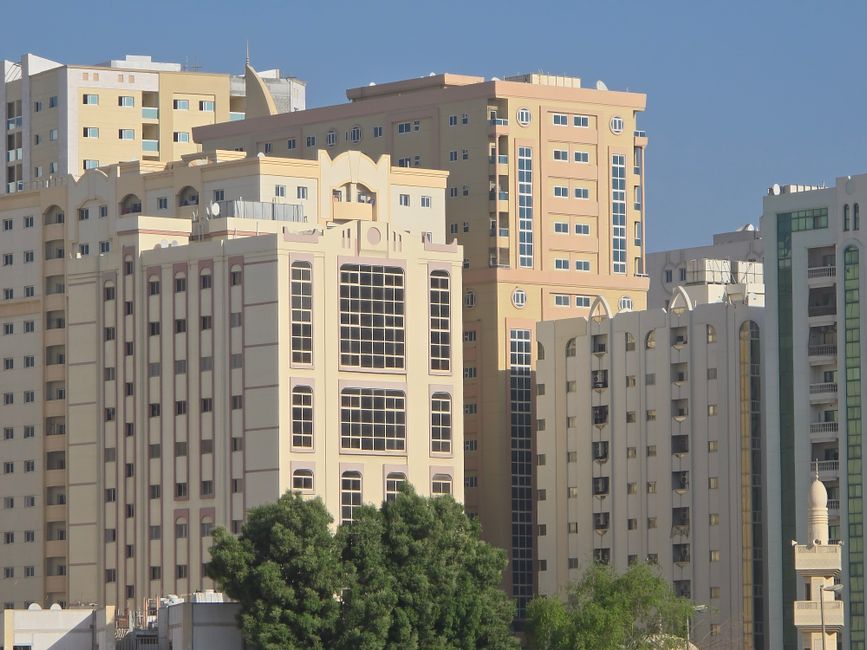
Dubai's luxury property market has always thrived on transformation. But the scale of prestige developments currently underway—from the Arabian Gulf waterfront to the southern reaches of Arabian Ranches—suggests we're entering a new era of ultra-high-end positioning that's reshaping neighbourhood identities and price expectations across the city.
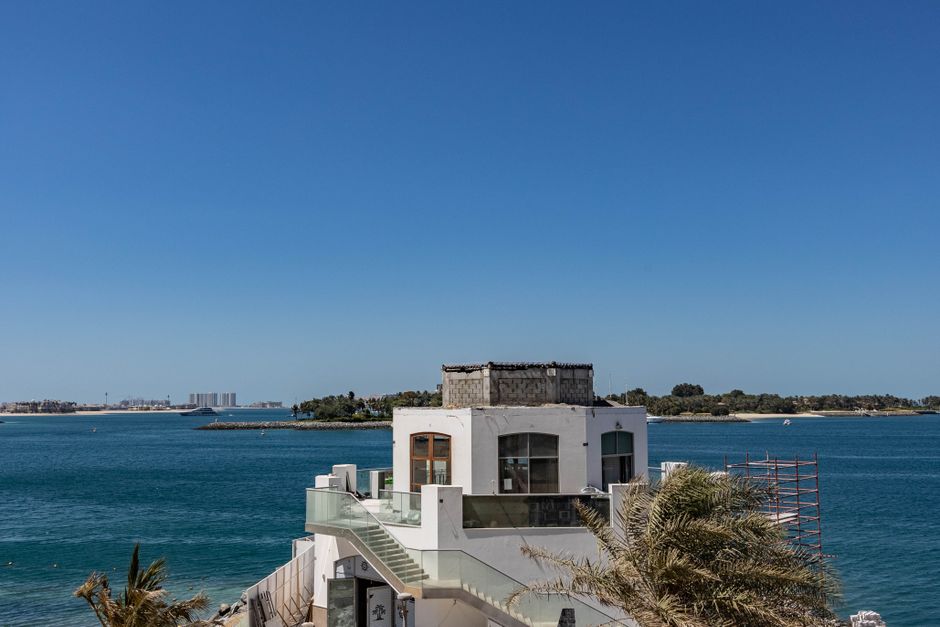
The evolution is most visible in Downtown Dubai, where heritage meets ambition. Beyond the established Burj Khalifa corridor, new mixed-use complexes are anchoring cultural and retail experiences that appeal to discerning buyers seeking more than square footage. Similar dynamics are playing out at Palm Jumeirah, where latest-generation villas and penthouses now integrate smart-home infrastructure and wellness amenities at density levels previously unseen on the frond. These aren't incremental upgrades; they're category-defining.
What makes this cycle distinct is neighbourhood ancillary development. Prestige projects no longer stand alone. They arrive bundled with elevated dining, bespoke retail, and membership-only clubs—infrastructure that justifies premium pricing and attracts international capital seeking lifestyle, not just asset preservation. The ripple effect is tangible: as new flagship developments complete, comparable older stock in surrounding areas experiences valuation pressure, forcing existing homeowners to choose between upgrading or repositioning.
For investors, the timing carries nuance. Dubai's average asking price remains around AED 1,600 per square foot across mainstream segments, yet ultra-prime developments regularly command multiples of that figure. The 10-year golden visa programme has accelerated demand from wealth creators seeking permanent residency through property ownership, a demographic that disproportionately targets new, trophy-status addresses. This has compressed supply at the apex end—new launches are absorbed quickly, often before completion.
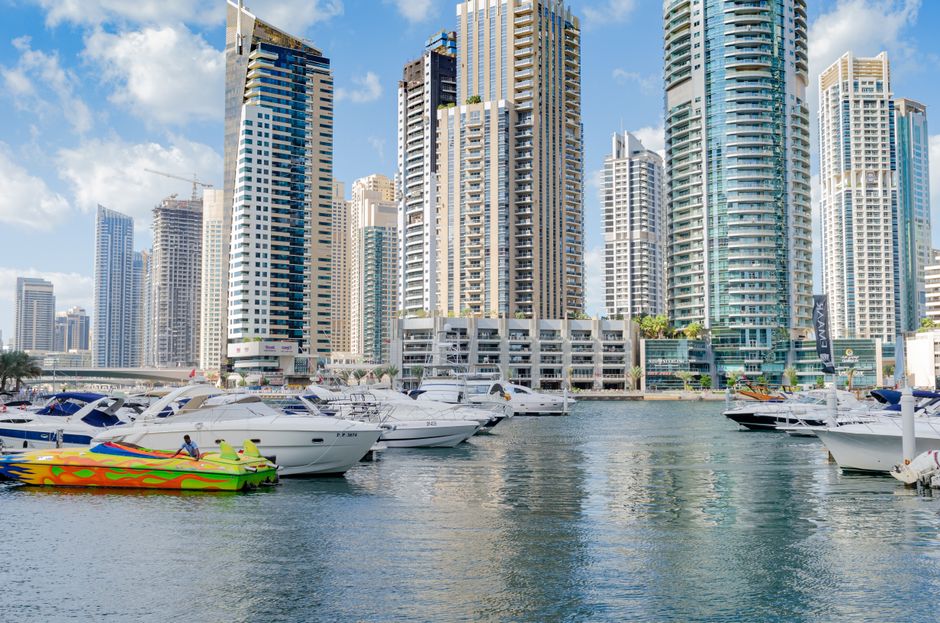
However, market observers note a bifurcation. While Downtown and Palm Jumeirah attract global capital and owner-occupiers, new mid-range developments in JBR, JVC and JLT continue yielding steady 3.5-4.5% rental returns, serving a different investor thesis entirely. The prestige market, by contrast, increasingly operates on capital appreciation and lifestyle utility rather than yield.
The strategic question for stakeholders remains: how do new prestige projects maintain exclusivity while neighbourhoods densify? Developers are answering through carefully calibrated massing, mixed-income integration within walking distance, and experience-led amenities that transcend residential fundamentals. Whether these strategies preserve or dilute prestige positioning will define Dubai's ultra-luxury landscape through the end of this decade.
This article was compiled by AI from the sources linked above and screened before publishing. See our editorial standards.
How does this story make you feel?
Spread the word
About this article
Published by The Daily Dubai
Daily brief
Free, in your inbox before 7am. Weekdays.
More in Property