Dubai's rental landscape has undergone a subtle but significant transformation over the past 18 months, creating winners and losers across both sides of the landlord-tenant divide. With average rents holding steady at approximately AED 1,600 per square foot across the broader market, yet pockets of oversupply emerging in secondary locations, the dynamics of investment property returns are becoming increasingly nuanced.
The headwinds are particularly visible in mid-range communities like Jumeirah Village Circle and Jumeirah Lake Towers, where landlords once commanded premium rental yields. Tenants now enjoy genuine negotiating power—a stark contrast to Dubai's traditionally landlord-favourable market. Properties that would have rented within days in 2024 now sit vacant for weeks, pushing owners to offer rent reductions, furnished options, or extended lease incentives to secure occupants.
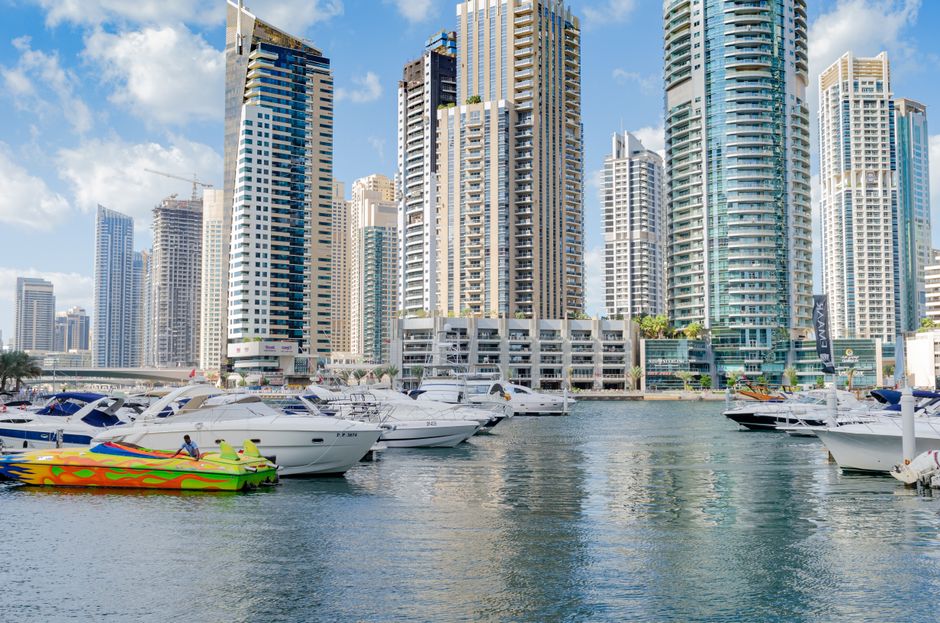
Conversely, ultra-luxury segments continue to defy gravity. Downtown Dubai and Palm Jumeirah properties remain heavily sought after, particularly among expat executives and international investors capitalising on Dubai's 10-year golden visa programme. These trophy assets maintain rental yields of 4–5 per cent annually, outpacing traditional investment benchmarks. The JBR waterfront strip—synonymous with young professionals—has similarly weathered the shift, with demand for studio and one-bedroom units remaining robust despite modest yield compression.
For landlords, the message is clear: differentiation matters. Generic, unfurnished apartments in congested communities face mounting pressure, while properties offering genuine lifestyle amenities—proximity to metro stations, integrated gyms, co-working spaces—command better retention and justify competitive pricing. Professional property management has become less of a luxury and more of a necessity, with organisations handling tenant relations, maintenance coordination, and lease compliance proving their worth in a tighter market.
Tenants, meanwhile, are capitalising on newfound leverage. Lease negotiations now routinely include provisions around maintenance response times, utility inclusions, and break clauses—luxuries largely absent from standard Dubai rental agreements two years ago. The psychological shift is real: renters no longer view Dubai tenancy as a one-sided arrangement.
The outlook for investor yields remains positive, but selective. Those holding properties in high-demand corridors—new developments near Emirates Hills, emerging precincts along the Dubai Water Canal, or established expatriate hubs like Al Barsha—are weathering the cycle comfortably. Others may need to recalibrate expectations or pivot strategy. Dubai's rental market hasn't collapsed; it has simply matured, rewarding strategic thinkers and penalising complacency.
This article was compiled by AI from the sources linked above and screened before publishing. See our editorial standards.