Dubai Affordable Housing 2024: New Projects Reshape Markets
Thousands of new units in Dubai South, Ras Al Khor and Sobha Hartland are reshaping affordability. See how new developments impact first-time buyers and investors across neighbourhoods.
Thousands of new units in Dubai South, Ras Al Khor and Sobha Hartland are reshaping affordability. See how new developments impact first-time buyers and investors across neighbourhoods.
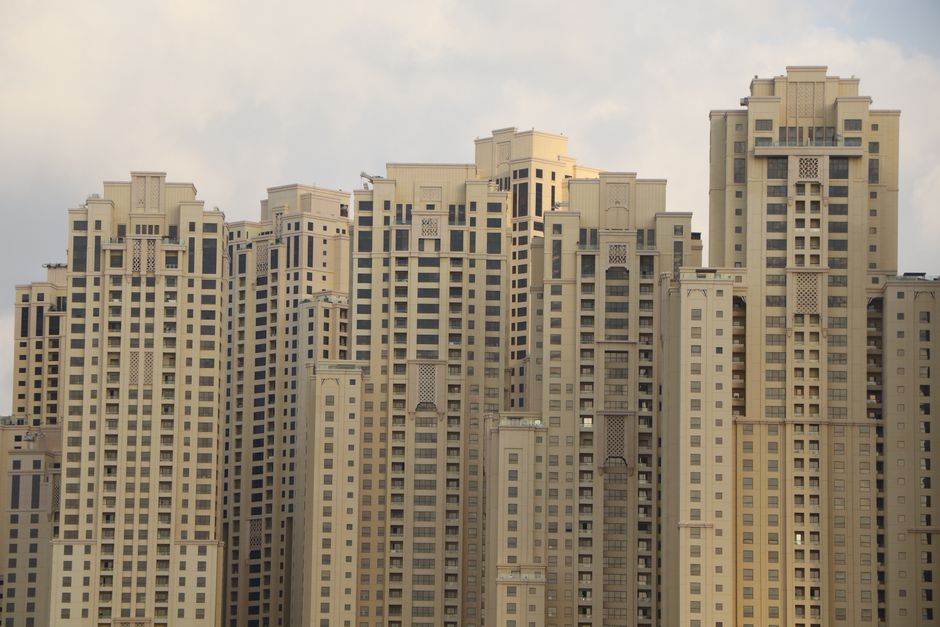
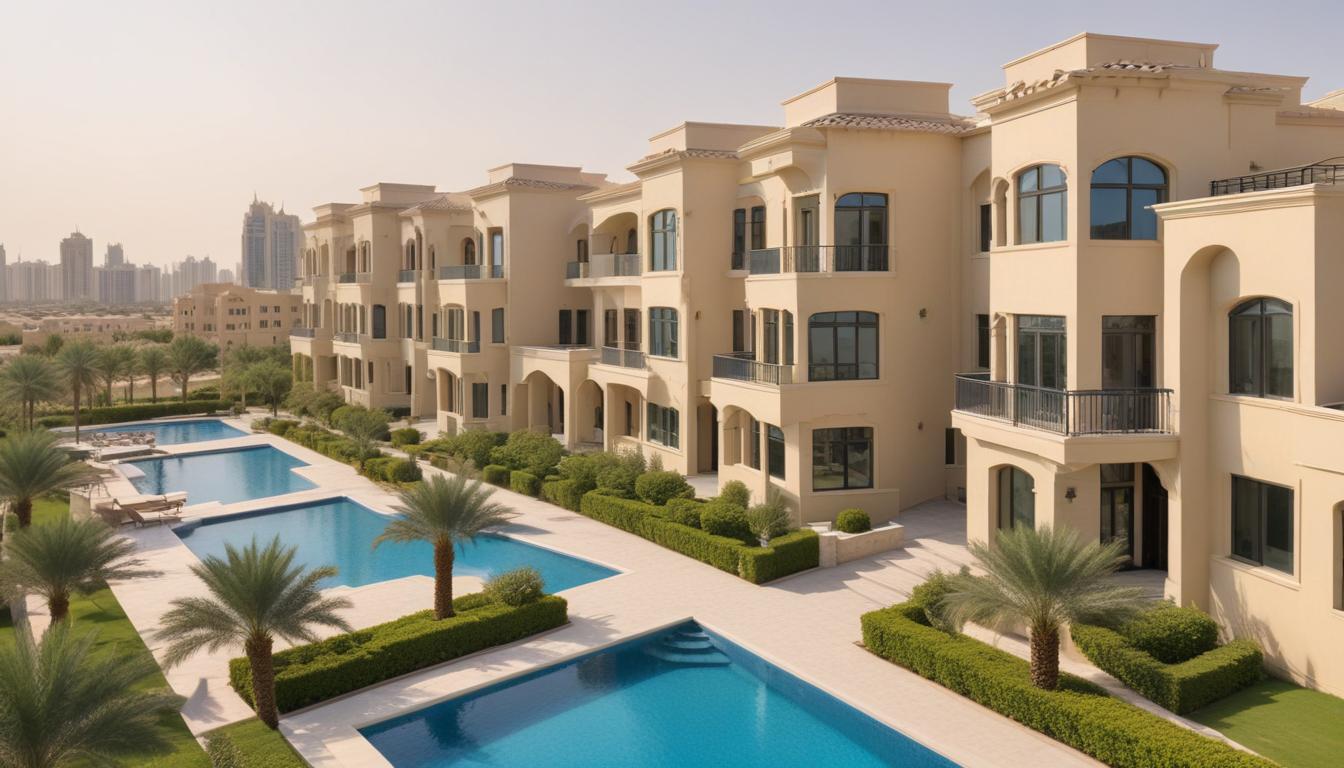
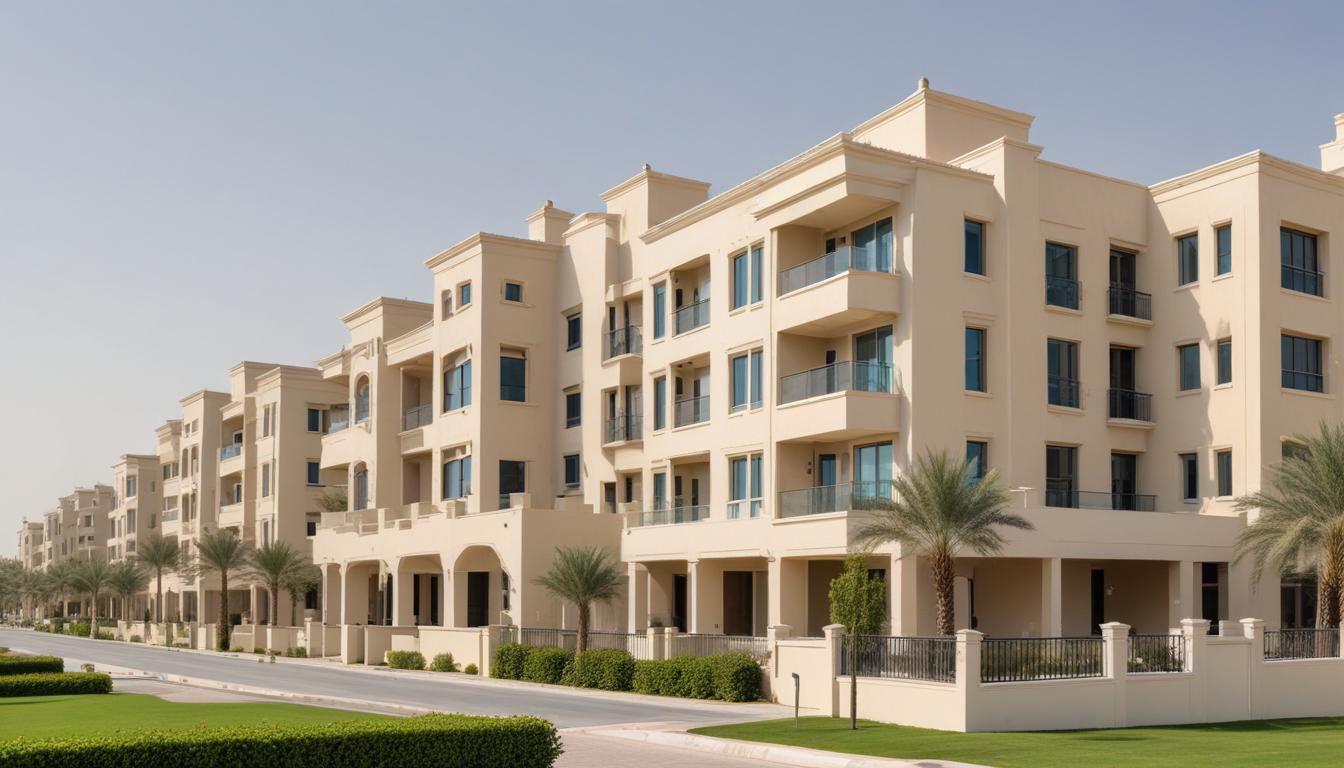
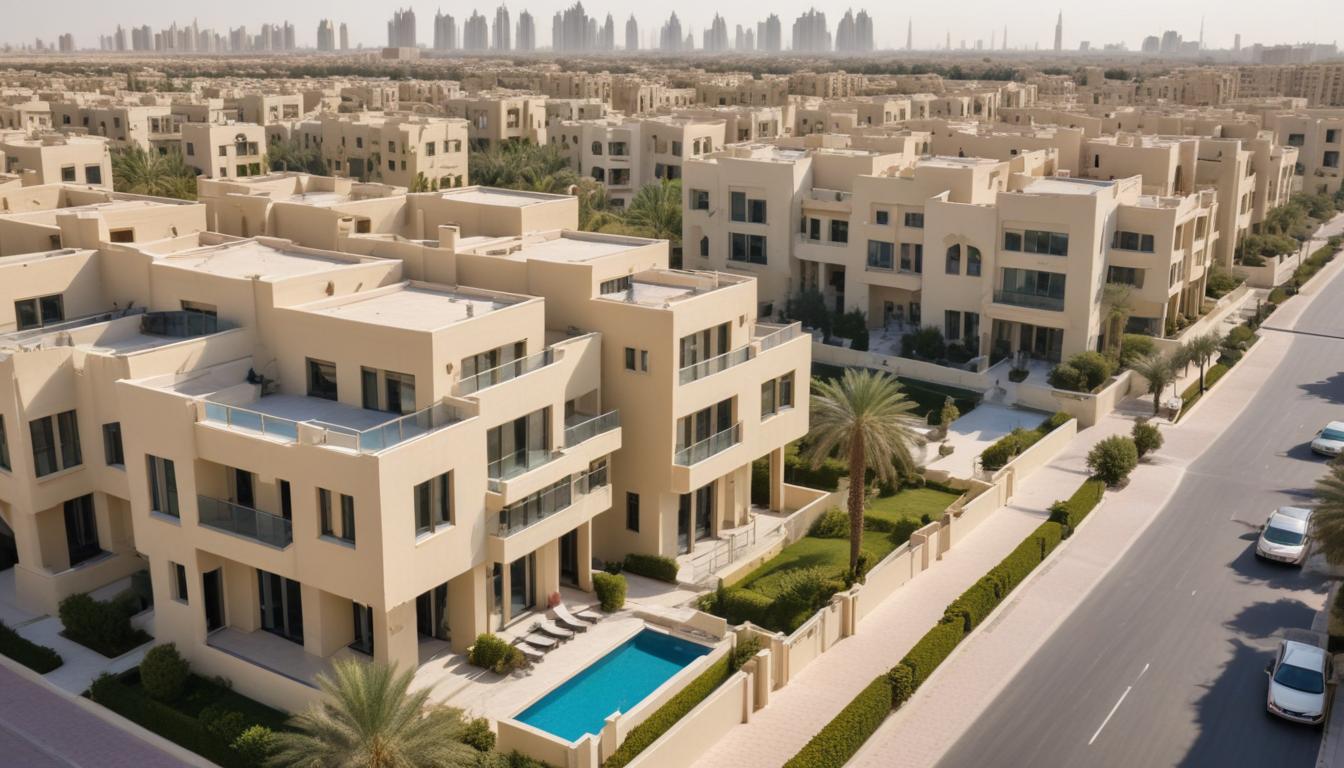
Dubai's property landscape is undergoing its most significant reshaping in a decade, with new masterplans across peripheral and emerging zones fundamentally altering where first-time buyers, investors and families can afford to live. The ripple effects are already visible—and they're not uniform across the emirate.
The scale is staggering. Major projects in Dubai South near Al Maktoum International Airport, the Ras Al Khor sustainability district, and continued expansion in areas like Sobha Hartland and Arabian Ranches III are collectively releasing thousands of units annually. This influx directly pressures pricing in traditional mid-range strongholds like Jumeirah Village Circle and Jumeirah Lake Towers, where yields once hovered around 4–5% but now face compression as newer stock offers competing appeal.
The mathematics favour developers and early investors in emerging zones. A one-bedroom apartment in JVC currently trades around AED 650,000–750,000 with yields of 3.5–4%. Comparable units in new Dubai South phases start 15–20% lower, luring yield-hungry portfolio builders away from established neighbourhoods. The trade-off: location maturity. JVC has restaurants, schools, and retail on Greek Village Avenue; Dubai South's amenities are still under construction.
Downtown Dubai and Palm Jumeirah, meanwhile, remain insulated. Luxury properties here—averaging AED 1,900–2,500 per square foot—are fundamentally different assets, competing on prestige rather than affordability. New supply doesn't dent them because new luxury projects target international buyers and ultra-high-net-worth individuals, not first-time homeowners priced out of AED 1.2–1.8 million entry-level units.
What's shifting, critically, is the affordability conversation itself. A decade ago, buyers chose between JBR's waterfront premium or JVC's value proposition. Today, they're comparing JVC against Ras Al Khor's new builds with modern sustainability certifications and lower carrying costs. This geographic arbitrage is real, and it's redefining neighbourhood desirability.
The golden visa programme—renewals driving 10-year commitment patterns—has amplified demand for suburban family layouts. Projects targeting this cohort in areas like Arabian Ranches expansions are absorbing capital that might otherwise chase apartment investment in saturated zones.
For sellers in aging clusters near Barsha Heights or older JLT towers, the message is stark: new projects aren't just competition—they're repositioning entire submarkets. Keeping pace requires either renovation investment or realistic price adjustment. By 2027, Dubai's affordable segment will look fundamentally different.
This article was compiled by AI from the sources linked above and screened before publishing. See our editorial standards.
How does this story make you feel?
Spread the word
About this article
Published by The Daily Dubai
Daily brief
Free, in your inbox before 7am. Weekdays.
More in Property