Dubai's Luxury Market Cools as Investors Shift to Mid-Range Properties
After years of sustained growth, Dubai's ultra-high-end market is cooling while mid-market apartments in emerging precincts attract savvy investors seeking value.
After years of sustained growth, Dubai's ultra-high-end market is cooling while mid-market apartments in emerging precincts attract savvy investors seeking value.
Listen to this article · 3:54
Dubai's property market is experiencing a significant recalibration, with luxury segments cooling while value-conscious buyers are discovering opportunity in the city's emerging neighbourhoods.
Data from recent transactions reveals a telling shift in buyer behaviour. Ultra-luxury villas in Palm Jumeirah—traditionally the emirate's most resilient market segment—have softened by approximately 8-12% from their 2022 peaks, with properties now ranging from AED 8 million to AED 25 million depending on waterfront positioning and size. Meanwhile, penthouses in Downtown Dubai's iconic towers have seen asking prices stabilise rather than climb, signalling a more balanced market after years of relentless appreciation.
The real momentum, however, is building in secondary precincts. Apartment prices in Dubai Hills Estate have remained remarkably stable at around AED 650,000 to AED 1.2 million for mid-sized units, attracting families and young professionals who previously considered the area unaffordable. Similarly, Jumeirah Village Circle (JVC) continues its reputation as a value play, with 2-bedroom apartments trading between AED 520,000 and AED 720,000—a 4-5% increase year-on-year, well below the city's historical averages.
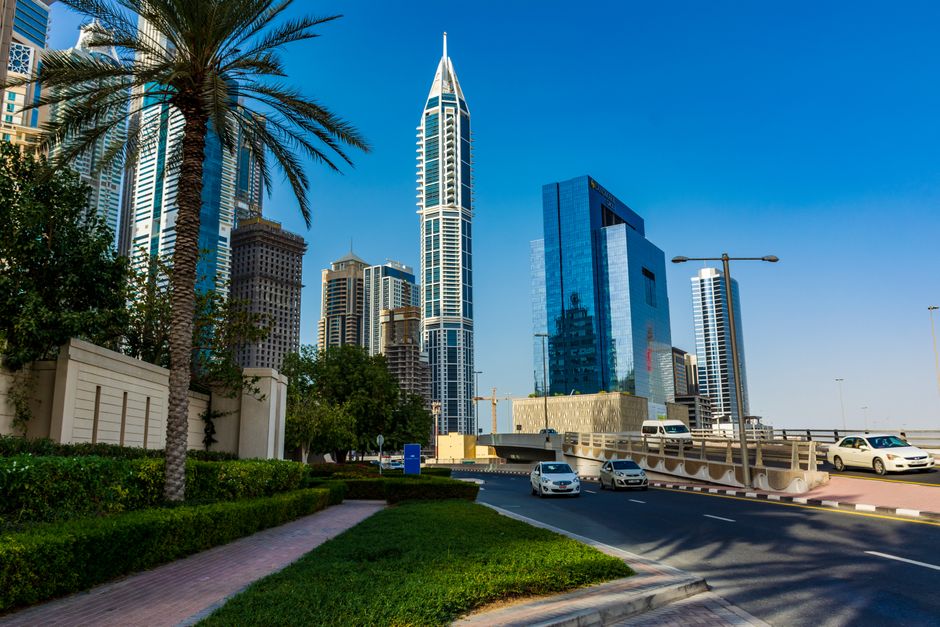
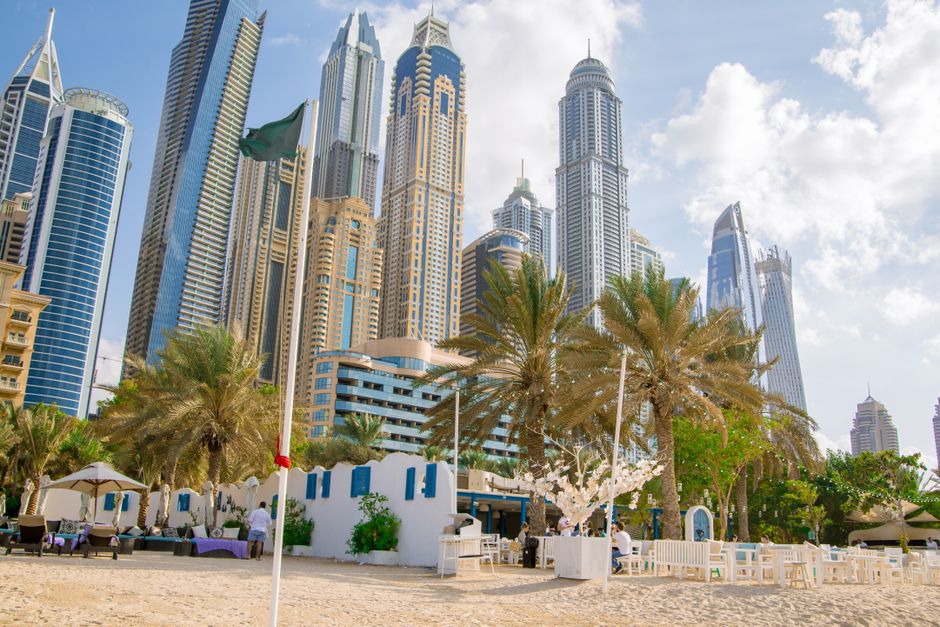
The Marina district tells an interesting story. While beachfront penthouses remain highly sought, mid-rise residential towers are experiencing inventory build-up. A typical 2-bedroom apartment that commanded AED 1.8 million in early 2022 now settles around AED 1.65 million, according to transaction data from property registries. This correction has paradoxically boosted rental yields for savvy investors targeting long-term holds rather than quick flips.
Supply dynamics deserve attention. New completion schedules suggest approximately 25,000 residential units will enter Dubai's market over the next 18 months—the largest pipeline in five years. This influx is expected to sustain moderate price pressure across segments, particularly in areas like Dubailand and Arabian Ranches where family homes are becoming increasingly competitive.
Industry observers note this environment rewards disciplined buyers. The days of automatic capital appreciation appear temporarily on pause, shifting investor psychology from speculation toward fundamentals: location, rental demand, and value-add potential. Areas near planned infrastructure—the new metro extensions and commercial hubs—are attracting institutional interest despite current price softness.
For prospective buyers and investors, Dubai's property market is transitioning from a seller's landscape to one where negotiation has returned. While headlines elsewhere focus on affordability crises, Dubai's cooling represents an opportunity for those with patience and conviction about the city's long-term trajectory.
This article was compiled by AI and screened before publishing. See our editorial standards.
How does this story make you feel?
Spread the word
About this article
Published by The Daily Dubai
Daily brief
Free, in your inbox before 7am. Weekdays.
More in Property