Dubai Neighbourhoods Defy Market Slowdown, Deliver Strong Property Gains
While headline prices soften, savvy investors are finding pockets of resilience in Dubai's real estate landscape—and some suburbs are thriving despite regional headwinds.
While headline prices soften, savvy investors are finding pockets of resilience in Dubai's real estate landscape—and some suburbs are thriving despite regional headwinds.
Listen to this article · 3:21
Dubai's property market is sending mixed signals. Headline prices have retreated from their 2023 peaks, yet transaction volumes remain surprisingly robust—a paradox that reveals a tale of two markets unfolding across the emirate's diverse neighbourhoods.
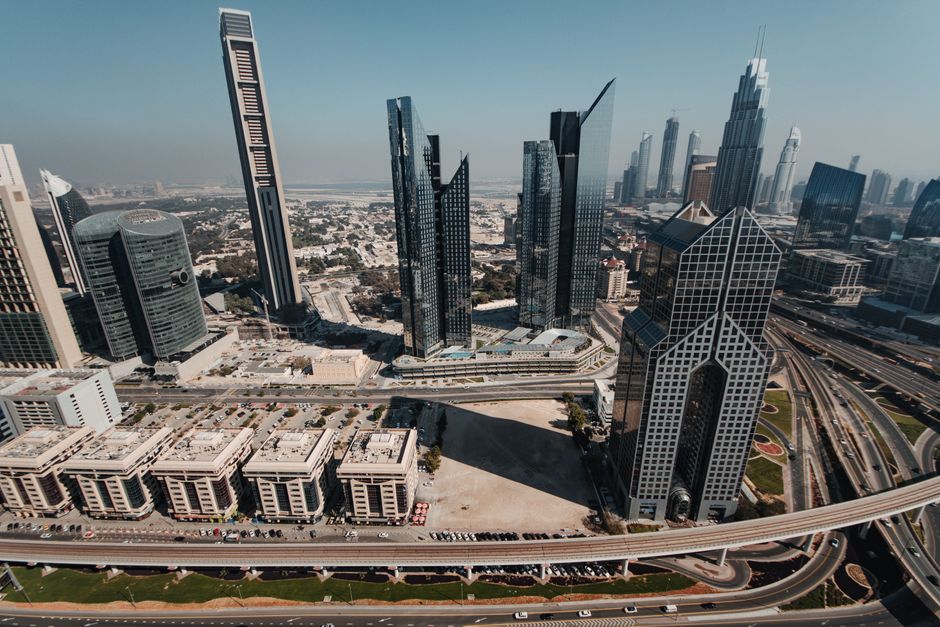
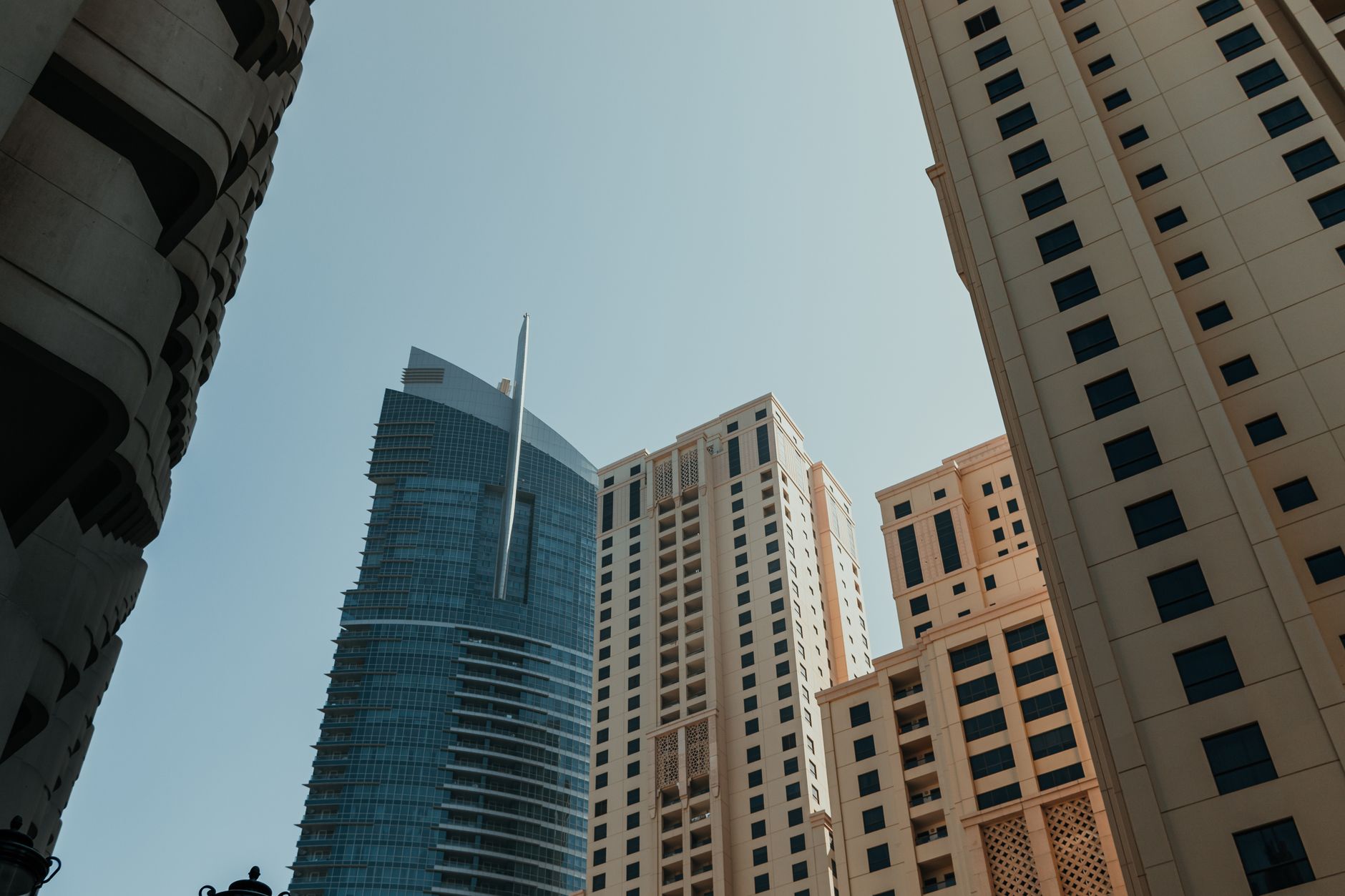
Downtown Dubai and the Marina continue to experience price compression. Studio apartments in Downtown that commanded AED 550,000 to AED 600,000 last year are now settling at AED 480,000 to AED 520,000, representing a 10-15% adjustment. Similarly, Marina two-bedrooms have dipped from AED 1.8 million to approximately AED 1.5-1.6 million. Yet paradoxically, these flagship districts haven't lost their appeal—they're simply pricing in geopolitical caution.
The real story lies in the periphery. Arabian Ranches III, Emaar's sprawling villa community south of the city, has emerged as a genuine bright spot. New villa launches priced between AED 2.2 million and AED 3 million are moving briskly, with agents reporting sales velocity up 25% quarter-on-quarter. The neighbourhood's appeal? Completed infrastructure, school options, and pricing that undercuts Palm Jumeirah developments by 30-40%.
Damac Hills tells a similar story. Mid-range apartments—two and three-bedroom units—in the AED 800,000 to AED 1.3 million range have become the sweet spot for investors seeking yield over prestige. Transaction data suggests these units are closing within 60 days of listing, compared to the 90-120 day average seen in premium zones.
The investor visa policy shift—Dubai's decision to eliminate minimum property values for qualifying investments—is quietly reshaping acquisition patterns. Historically, the policy required a minimum AED 750,000 purchase. The removal has opened pathways into studio and one-bedroom stock across Business Bay and Jumeirah Village Circle (JVC), traditionally overlooked by visa-seekers. Early indicators suggest JVC inventory movement has accelerated by 18% since the announcement.
What's driving these divergent trends? Regional tensions have made investors more selective. Trophy properties are facing headwinds; practical, income-generating assets are thriving. Renters—essential workers, expatriate professionals, and service-sector staff—continue to hunt for value, and they're gravitating toward established, mixed-use communities with amenities, schools, and transport links.
The lesson for investors: Dubai's price correction isn't uniform. Suburbs offering tangible lifestyle value and reasonable entry points are outperforming prestige zones caught between softening prices and uncertain sentiment. In a market this volatile, location precision matters more than ever.
This article was compiled by AI and screened before publishing. See our editorial standards.
How does this story make you feel?
Spread the word
About this article
Published by The Daily Dubai
Daily brief
Free, in your inbox before 7am. Weekdays.
More in Property