Dubai’s Downsizers Are Flocking to Mirdif and Jumeirah Village Circle-Here’s Why
Growing numbers of owners are selling up in the city’s pricier districts and settling in Dubai’s suburban communities for lifestyle and investment reasons.
Growing numbers of owners are selling up in the city’s pricier districts and settling in Dubai’s suburban communities for lifestyle and investment reasons.
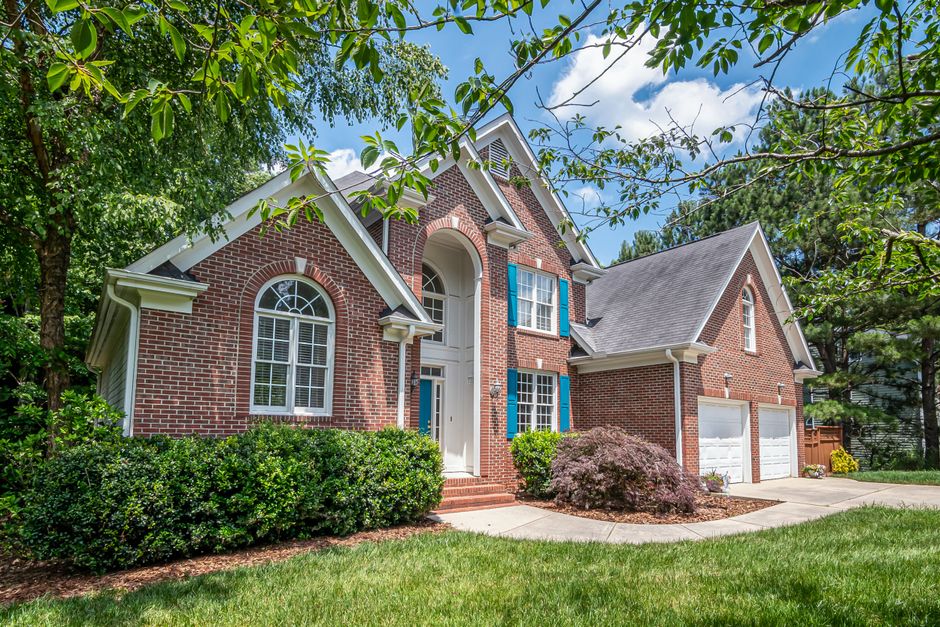
In the last twelve months, Mirdif and Jumeirah Village Circle (JVC) have emerged as Dubai’s top choices for long-time flat and villa owners choosing to downsize, according to recent sales data and estate agencies monitoring the trend.
Rising prices in prime neighbourhoods from Downtown to the Palm Jumeirah, coupled with volatile global events, are triggering a wave of sellers cashing in and resettling farther out. The retirement crowd isn’t the only group making the move-Dubai Land Department records show a noticeable number of mid-career residents in their 40s and 50s making a strategic pivot to smaller homes in these developing suburbs, seeking lower maintenance, strong amenities, and investor-friendly returns.
Among the most popular destinations: Mirdif’s leafy Al Mizhar street grids, and the parks and new retail at JVC. Each area has its draw. Mirdif, long favoured for its quieter vibe, has recently added community upgrades such as the Mirdif Avenue Mall and new wellness clinics, making it attractive to those who want less density than Jumeirah or Business Bay but still demand top facilities. JVC, meanwhile, continues to expand with more than 40 residential towers completed in 2025 alone. The Circle Mall, serviced apartment towers, and easy transport links via Hessa Street have sharpened its appeal with buyers seeking both lifestyle and yield.
"Our downsizer inquiries from owners in Dubai Marina or The Greens have doubled compared to 2024," said a senior manager at Bayut’s JVC branch, adding demand now outstrips supply for smaller townhouses with high quality finishes. Further out in Al Furjan and parts of Dubailand, Emaar and Nakheel are advertising downsizer-focused launches with flexible payment plans aimed at buyers looking to exit high-maintenance penthouses or sprawling villas on Palm Jumeirah’s fronds.
Price gaps have become too striking for many to ignore. Palm Jumeirah’s luxury resale stock now averages AED 3,800 per square foot, according to Property Monitor’s June 2026 data, while Mirdif’s villa segment remains around AED 1,250 per square foot. JVC’s one-bed apartments hovered at AED 1,100 per square foot this spring-still a bargain by Dubai standards, with average six percent gross rental yields, compared to Dubai-wide yields of 5.2% reported by CBRE this quarter.
For many, the gap between selling up in a prime location and buying in the suburbs easily covers upgrades, service fee savings through smaller plots and buildings, and sometimes a tidy nest egg to spare. Taimur Malik, principal at local advisory Gulf Home Search, points to data showing 17% of secondary market transactions in Mirdif this year involved buyers over age 50, up from just 10% in 2021-a clear sign that home-owners are downsizing in response to rising property taxes and cooling measures impacting investment returns in the city’s core districts.
For those weighing a move, agents advise making sure to study exact building maintenance histories-suburban communities can vary sharply. But prospects remain strong, as more developers pitch reimagined townhouses and upgraded apartments. With Dubai’s 10-year golden visa still incentivizing long-term residence, the trend shows little sign of slowing-no surprise in a city where smart owners are always watching for the next growth suburb.
How does this story make you feel?
Spread the word
About this article
Published by The Daily Dubai
Daily brief
Free, in your inbox before 7am. Weekdays.
More in Property