How Dubai’s Rental Market Measures Up: Regional Affordability vs Capital City Premiums
Data shows tenants in Dubai’s mid-tier neighbourhoods are paying sharply less per square foot than renters in prime capital districts, but the gap is narrowing.
Data shows tenants in Dubai’s mid-tier neighbourhoods are paying sharply less per square foot than renters in prime capital districts, but the gap is narrowing.

For would-be property owners and long-term tenants, the maths of Dubai’s housing market is getting more complex. Rents in mid-range Dubai neighbourhoods such as Jumeirah Village Circle (JVC) and Jumeirah Lake Towers (JLT) have risen 12% over the past twelve months, a modest increase compared to the eye-watering premiums demanded in the city’s glitziest downtown developments. Yet, compared to regional capitals like Riyadh or Doha, Dubai’s tiered market offers up stark contrasts—and, for many, better relative value outside the luxury core.
Price anxiety is bubbling across the Gulf, as regional tenants grapple with climbing rents and foreign investors snap up prime urban real estate. The issue is especially acute in Dubai, where new arrivals and long-timers alike are scrutinising cost-per-square-foot—both for rentals and purchases. This matters now because the emirate is fresh off a record first quarter for residential transactions, and the ten-year golden visa programme is inducing many high-earning expats to consider a leap into ownership citizenship. At the same time, regional competitors are ramping up their own luxury offerings: in May, Lusail City outside Doha launched a string of high-rise residential towers marketing annual rents starting at QAR 120,000 for a small two-bed, while Riyadh’s King Abdullah Financial District is now among the top 10 most expensive urban districts in the region for tenants, according to data from Core Real Estate.
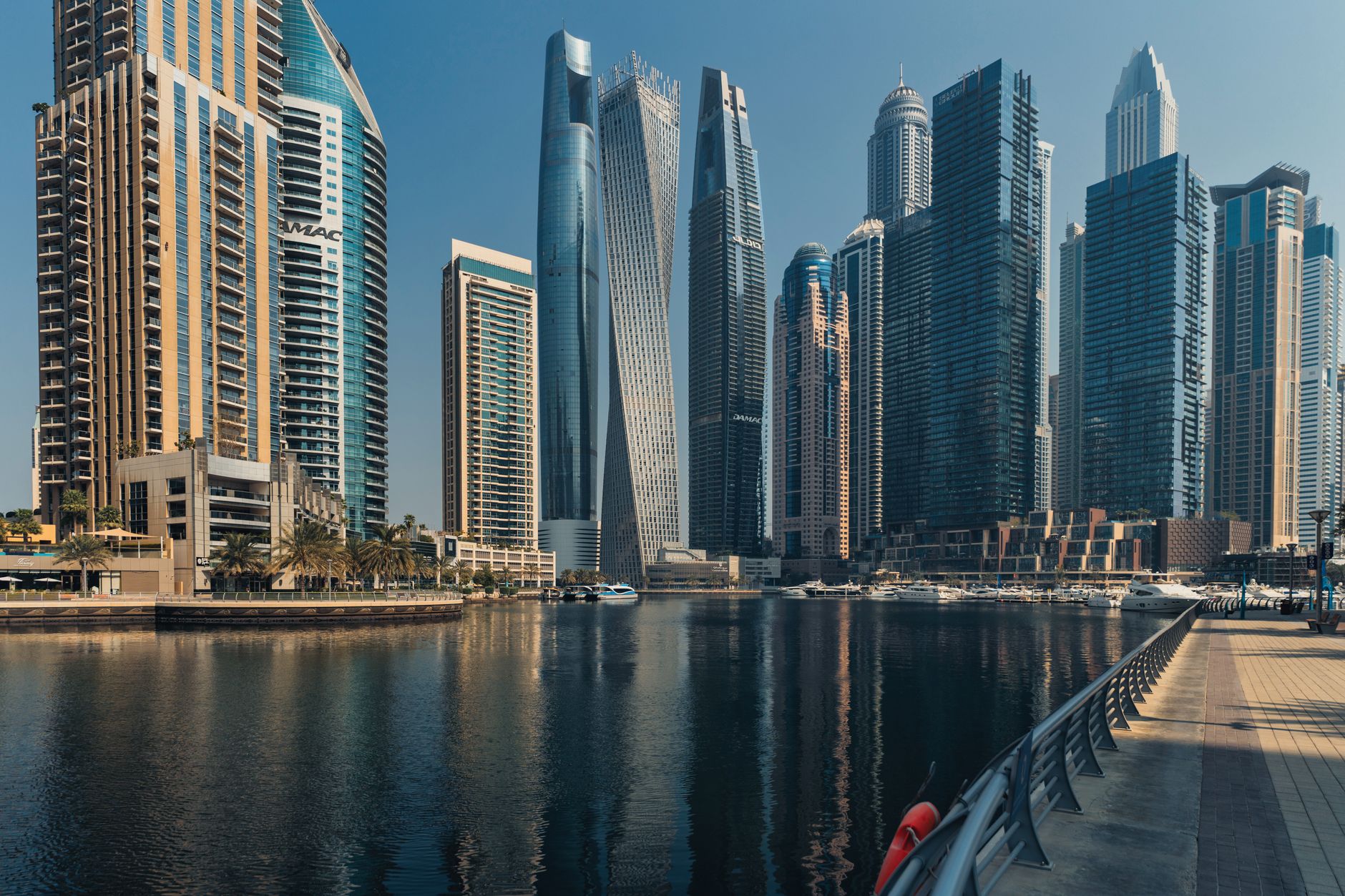
In Dubai, the split between its dazzling capitals and practical suburbs couldn’t be clearer. On Sheikh Zayed Road, a two-bedroom apartment at The Address Sky View averages AED 450,000 in annual rent. Compare that to JLT, where a similar unit fetches just AED 140,000. In the rental market sweet spot—think Al Barsha South or the townhouses lining Hessa Street—price-sensitive professionals are locking in leases at around AED 90,000 to 120,000 a year, less than half the price of the entry-level high-rises in Downtown or Palm Jumeirah. Property broker Betterhomes says these submarkets saw "the bulk of new lease signings" for 2025, as corporate tenants and new residents seek larger floorplans outside more congested districts.
Numbers from the Dubai Land Department show average apartment rents citywide rose to AED 1,600 per square foot in Q2 2026, but the variance is sharp: tenants in Business Bay or DIFC are regularly paying AED 2,800 per square foot for new-builds, while longstanding projects in Discovery Gardens remain below AED 950. Meanwhile, buyers face an equally sharp contrast—Palm Jumeirah is now commanding AED 4,050 per square foot for prime waterfront homes. In Qatar, rents in Lusail and The Pearl now average $39 per square foot annually (around AED 143), closing the gap with Dubai’s lower-priced areas. In Riyadh, the average apartment rent hit SAR 90,000 for a 135 sqm flat (AED 88,000) this spring, ticking just below Dubai’s less fashionable but transport-connected suburbs.
For those eyeing a long-term stay, mortgage financing in Dubai also tips the scales, with banks such as Mashreq offering 2.99% fixed-rate deals for golden visa applicants, allowing more expats to weigh the buy-vs-rent equation. Still, cash buyers and new arrivals face intense competition, particularly in villa enclaves like Arabian Ranches and after the launch of high-spec projects in Dubai Creek Harbour and along Al Khail Road.
Looking ahead, analysts at Asteco say rent hikes in the capital’s core districts are likely to level off in the second half of 2026 as more supply comes online, particularly with new completions in Dubai Hills Estate and JVC. For tenants, negotiating longer lease terms or considering emerging areas like Dubailand or Al Furjan could help lock in better prices. Buyers eyeing entry into the market should compare not just sticker prices but also running costs—service fees in Downtown or the Palm average over AED 25 per square foot, eroding affordability. As Dubai and its Gulf neighbours continue jockeying for regional housing supremacy, the lesson for residents is clear: suburb or skyline, there are still deals—if you know where to look.
How does this story make you feel?
Spread the word
About this article
Published by The Daily Dubai
Daily brief
Free, in your inbox before 7am. Weekdays.
More in Property