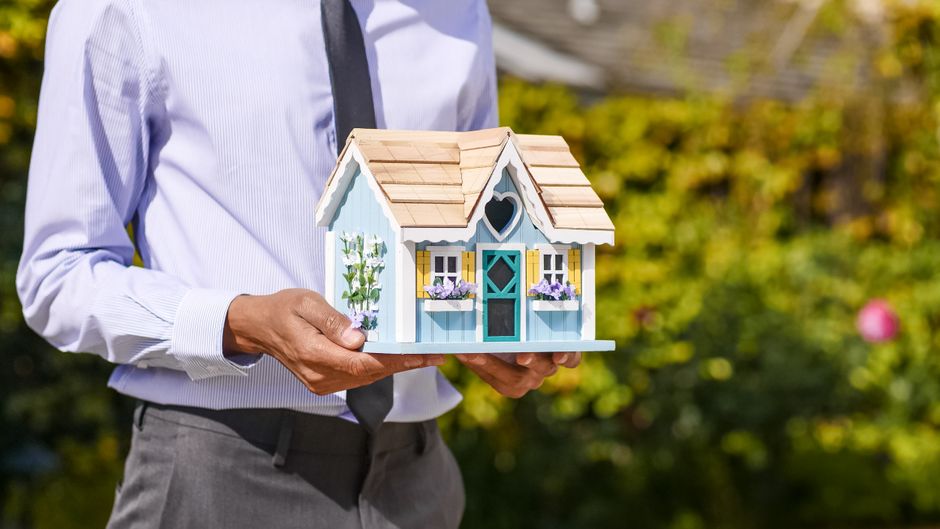
Is Renting Actually Cheaper Than Buying Right Now in Dubai?
A fresh round of affordability analysis reveals that, despite record rents, renters may still save more than buyers in many Dubai hotspots.
A fresh round of affordability analysis reveals that, despite record rents, renters may still save more than buyers in many Dubai hotspots.
For many in Dubai, the burning question this summer is whether renting still makes financial sense-or if buying is finally the smarter move. With apartment prices and rents both at record highs, The Daily Dubai has crunched the numbers. In much of the city, despite jumpy headlines about surging rents, renting still edges out buying for those watching their dirhams closely.
This isn’t just cocktail party chatter. Hundreds of thousands of leases are up for negotiation this month, just as the city’s property sector heads into peak season. Developers are trumpeting new projects from Dubai South to Jumeirah Village Circle, while mortgage brokers push ultra-long loan tenures. But does the old logic of "paying your landlord’s mortgage" truly stack up against the hard math, given the current stratospheric prices and steep interest rates?
Consider two of the city’s most popular neighbourhoods for expats: Downtown Dubai and Jumeirah Beach Residence (JBR). In Downtown, a typical one-bedroom apartment on Boulevard Sheikh Mohammed bin Rashid rents for about AED 120,000 a year. The same property lists for sale at AED 2,100,000-roughly AED 2,000 per square foot pre-negotiation. On the waterfront at JBR, comparable leases hover around AED 140,000, while asking prices exceed AED 2,500,000 for similar units, according to data from Allsopp & Allsopp.
Pencilling in the cost of buying paints a stark picture. For a home purchase at AED 2.1 million with a 20% down payment and the standard 3.99% fixed mortgage rate, monthly repayments approach AED 8,000-before factoring in the AED 42,000 deposit, land department fees, service charges (often AED 25-30 per sqft) at towers like The Address Sky View, and building insurance. Buyers now face a minimum upfront outlay of nearly AED 500,000. By contrast, renters hand over a single security deposit, one to four rent cheques, and annual agent fees around 5%.
Industry data puts Dubai’s city-wide average apartment rent in June 2026 at AED 120,000 per year (Property Monitor), up 16% year-on-year. Average sale prices, however, have climbed even more-up 21% on the year to a city average of AED 1,600 per square foot. Factoring in higher mortgage rates and upfront costs, tenants in areas like JLT (Jumeirah Lake Towers) and JVC (Jumeirah Village Circle) often find buying will cost them 20-25% more per month than an identical unit to rent, at least for the first five years of ownership.
Of course, there are exceptions. In some more affordable outer districts, such as Dubai Silicon Oasis, monthly mortgage payments now roughly match rent-but only for buyers willing to provide a hefty down payment and commit for the long term. Meanwhile, landlords have recalibrated yields, often demanding 6-8% gross in mid-market areas. Many buyers count on capital appreciation and the 10-year golden visa for AED 2 million-plus purchases as key upside. But with service charges and mortgage lock-in penalties, short-term cost savings remain firmly on the side of tenants.
So what next? Industry analysts say renters with stable jobs should use their negotiating leverage now, especially for renewals. Expect more developers to dangle discounts on off-plan projects after Eid. For buyers, the calculus may improve if developers or banks launch incentive packages, or if the Central Bank trims rates later this year. But as of July 2026, in the heart of Dubai’s gleaming towers, renters are still keeping more cash in their pockets-despite the city’s surging skyline.
How does this story make you feel?
Spread the word
About this article
Published by The Daily Dubai
Daily brief
Free, in your inbox before 7am. Weekdays.
More in Property