Al Furjan Emerges as Dubai’s Growth Corridor Hotspot Amid New Infrastructure Boom
Major transport upgrades and lifestyle hubs drive investment surge in Al Furjan, outpacing traditional Dubai suburbs in rental yields and demand.
Major transport upgrades and lifestyle hubs drive investment surge in Al Furjan, outpacing traditional Dubai suburbs in rental yields and demand.
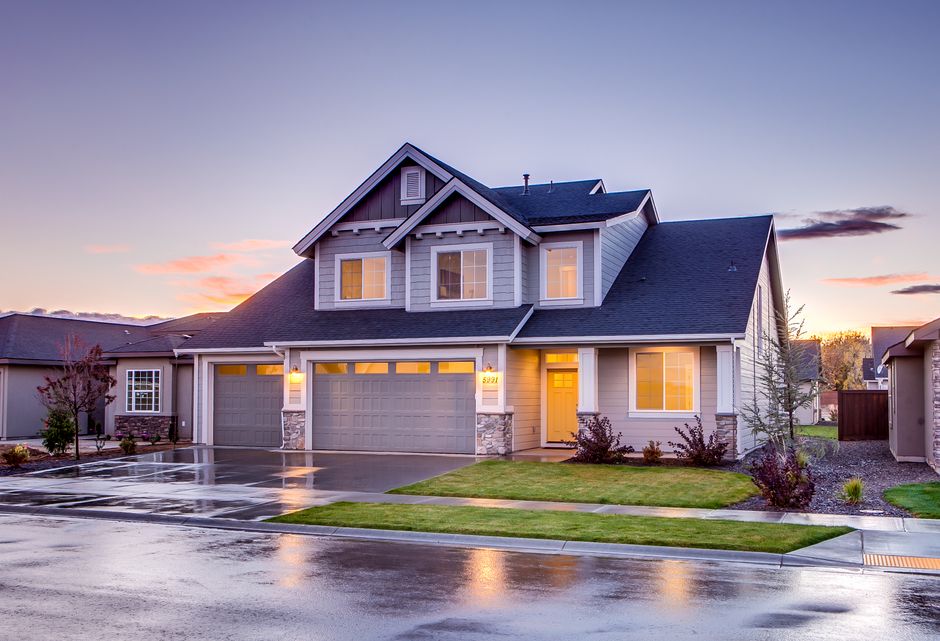
Property buyers are turning their attention to Al Furjan as the once-overlooked suburb claims centre stage in Dubai's new infrastructure push. Four years after the opening of the Route 2020 Metro extension, and with last month's launch of the Pavilion Clubhouse and new Arjan-Al Furjan link road, the district is registering record transaction volumes and price appreciation.
This surge is rewriting the investment map in a city where the average property price has hit AED 1,600 per square foot. While luxury enclaves like Palm Jumeirah and Downtown Dubai continue to make headlines with trophy penthouses, neighbourhoods like Al Furjan are where end-user demand and yield-driven buyers are converging. The suburb, located between Sheikh Zayed Road and Mohammed Bin Zayed Road, has moved well beyond its reputation as a quiet villa pocket at the city’s edge.
The big change: infrastructure. Nakheel’s Al Furjan Metro Station, part of the Route 2020 extension, went live in 2022, putting Downtown Dubai a 22-minute train ride away. Developer Azizi’s ‘Star’ and ‘Shaista’ apartment complexes are selling out quickly, boosted by proximity to new grocery giants such as Lulu Hypermarket Al Furjan and destination dining hubs like Pavilion Clubhouse, which opened its doors on 14 June. Improvements are also coming to the road network: the new Arjan-Al Furjan link, opened last month, offers direct access from Umm Suqeim Street, slashing peak-hour traffic jams.
On the numbers, Al Furjan saw 532 property transactions in Q2 2026, according to Dubai Land Department data, double the volume for the same period in 2024. Average apartment prices now hover around AED 1,100 per square foot, more affordable than Jumeirah Beach Residence (AED 2,500+) but ahead of nearby Discovery Gardens. Rental yields in Al Furjan averaged 7.6% in the year to June, with mid-rise new builds outperforming much of JVC and JLT, where returns dipped below 6.
New schools and medical centres add to the appeal: The Arbor School opened its sustainable new campus on Al Asayel Street last September, drawing family buyers from The Gardens and nearby Jebel Ali Village. Meanwhile, NMC Specialty Hospital’s branch at The Square Al Furjan has expanded paediatrics and walk-in services, reflecting a fast-growing local population. These upgrades have seen demand for townhouses and three-bed apartments jump, especially among buyers seeking the 10-year golden visa for investments of AED 2 million or more.
What's next for buyers eyeing Al Furjan? With master developer Nakheel accelerating villa handovers and Azizi set to complete another 700 apartments by Q3 2027, supply may soften price growth modestly. But agents from local brokerage Allsopp & Allsopp say entry-level units under AED 1.5 million are being snapped up within days. Prospective investors are advised to act quickly and seek pre-approved mortgages, banks such as Emirates NBD are offering fixed rates below 4.5%. As Dubai continues to invest in connectivity and lifestyle infrastructure, suburbs like Al Furjan are poised to set a template for ‘growth corridor’ urbanisation far from the city’s traditional core.
How does this story make you feel?
Spread the word
About this article
Published by The Daily Dubai
Daily brief
Free, in your inbox before 7am. Weekdays.
More in Property