Dubai Market Snapshot: The Rent-Vesting Strategy Explained for Buyers and Tenants
Rising home prices and soaring rents are driving more Dubai residents to explore 'rent-vesting' as an alternative path to property ownership.
Rising home prices and soaring rents are driving more Dubai residents to explore 'rent-vesting' as an alternative path to property ownership.
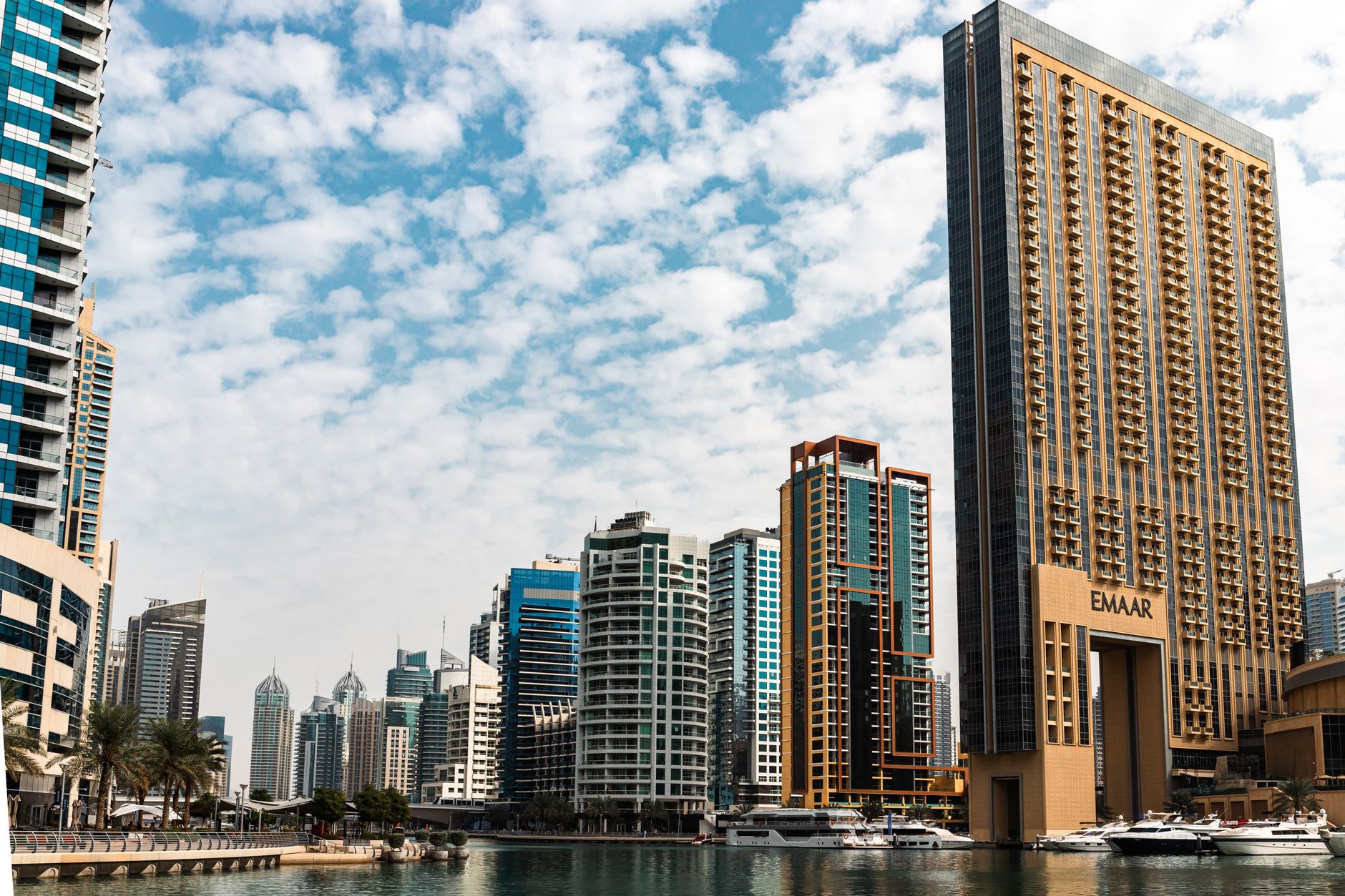
A new wave of Dubai professionals and young families are turning to 'rent-vesting'-renting a home in their preferred neighbourhoods while investing in property elsewhere in the emirate-as traditional paths to home ownership get squeezed by escalating prices. The strategy is gaining ground especially in districts like Jumeirah Village Circle (JVC) and Jumeirah Lakes Towers (JLT), where investment yields remain robust even as rents in downtown and beachfront locations climb sharply.
Rent-vesting is increasingly coming up in property advice forums and consultations because of a widening gap between the cost of buying and renting in Dubai’s most desirable areas. Aspiring homeowners are finding it difficult to secure mortgages for properties in Downtown Dubai-where average sales prices now top AED 2,700 per square foot-or on the Palm Jumeirah, where prime villas frequently list above AED 30 million. At the same time, golden visa incentives for buyers of properties over AED 2 million are feeding investment demand in turn-key new launches, pushing entry-level purchase prices ever higher.
Meanwhile, many expatriate residents want the lifestyle and amenities of Dubai Marina or City Walk but are unwilling or unable to commit to steep mortgage repayments or hefty down payments. By renting in these upscale areas, individuals preserve lifestyle options while directing capital toward units in up-and-coming investor-friendly zones like JVC or Dubai Sports City, aiming for 6-8% gross returns on mid-range flats.
Figures from the Dubai Land Department underline why the rent-vesting model is drawing new converts. As of May 2026, the citywide average price for apartments reached AED 1,600 per square foot, according to Property Monitor. That places a modest 1,000-sqft apartment at around AED 1.6 million-well above what many early-career professionals can afford, especially with Central Bank down payment rules still requiring at least 20% cash for non-UAE nationals.
Renters, on the other hand, face surging demand: average annual rent for a two-bedroom unit in Downtown Dubai now exceeds AED 190,000, per Asteco’s Q2 rental market report. Yet in JLT or JVC, decent investment apartments can be bought for roughly AED 1,000-1,200 per square foot and then leased out for AED 90,000-110,000 annually, often covering mortgage payments and building equity at the same time. This is where rent-vesting’s crunch appeal lies-a tenant can choose a short walk to Dubai International Financial Centre for work, while their owned property in a growth corridor starts to accumulate capital value, buoyed by sustained investment migration and the city’s long-term visa programs.
Banks like Emirates NBD and Mashreq are courting such buyers with investment-oriented loan products, while property platforms including Bayut and Dubizzle now flag strong-yield districts. Real estate agents on Sheikh Zayed Road are also pitching newly built Arjan apartments and gated Town Square villas as high-yield rent-vesting stock, citing price appreciation in the outer suburbs and ongoing infrastructure investments.
For Dubai residents weighing up rent-vesting, the capital requirements are still significant-but often more flexible than saving for a downtown deposit or committing to a 25-year mortgage for a home you may outgrow. Prospective buyers need to consider service charges, property management, and realistic forecasts for both yield and capital growth. Financial advisers recommend a close study of the Dubai Land Department’s interactive price index and vigilance against buying in over-supplied pockets.
With demand for lifestyle flexibility on the rise-especially among remote workers and new expat arrivals-rent-vesting looks set to become a fixture of Dubai’s property playbook. Watching market data, consulting local agents, and focusing on well-established developments with transparent service charges are essential next steps for those intrigued by the strategy. In today's complex market, the ability to rent in the heart of the city while owning an investment foothold elsewhere is more relevant than ever for buyers intent on building long-term wealth.
How does this story make you feel?
Spread the word
About this article
Published by The Daily Dubai
Daily brief
Free, in your inbox before 7am. Weekdays.
More in Property