property
Dubai Renters Face Critical 2026 Deadline as Rents Surge Toward Ownership
Soaring rental increases are finally pushing Dubai renters toward ownership, but the maths still favour buyers who act now before price growth accelerates.
Listen in English · 3 min
How we reported this
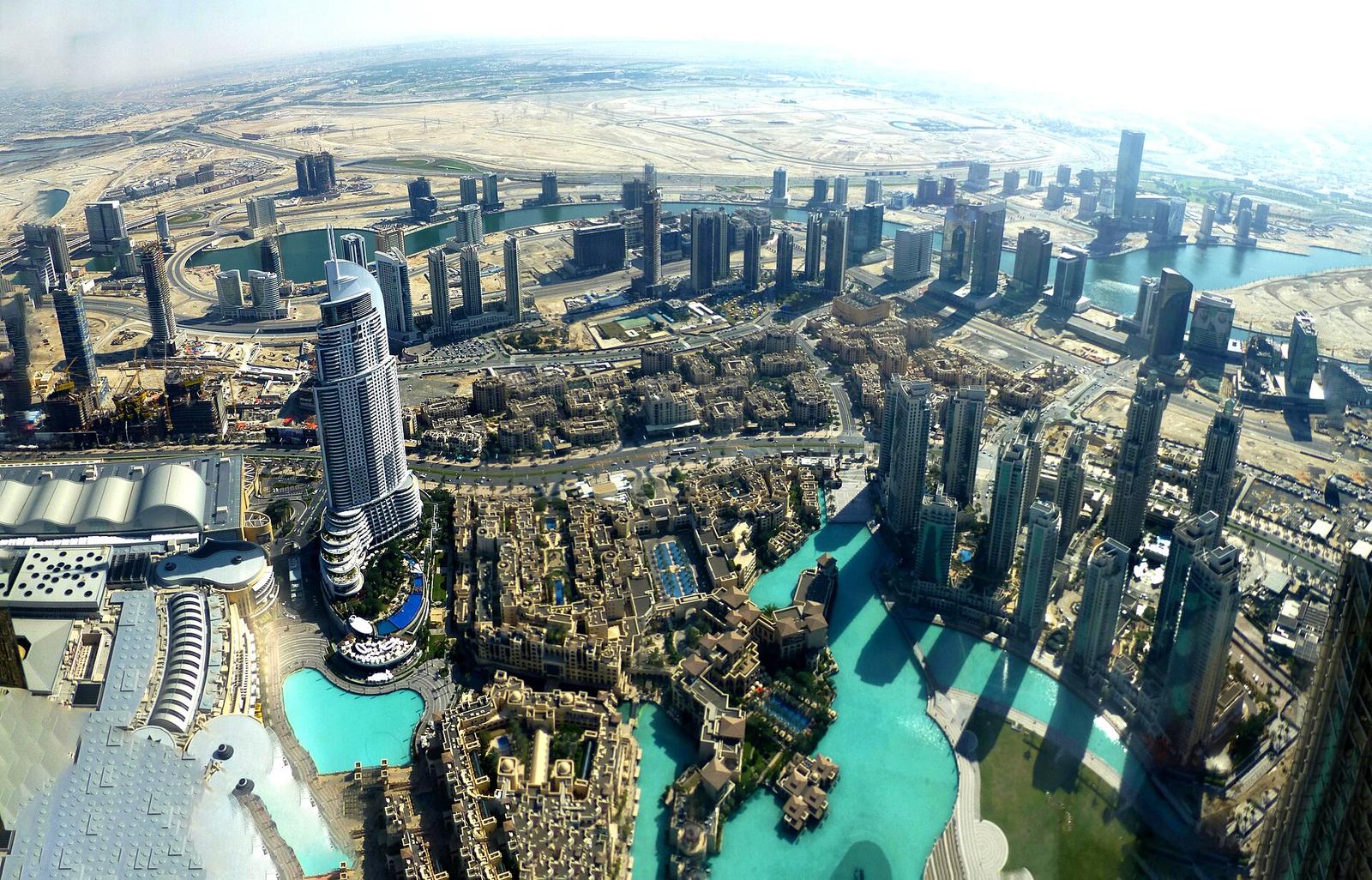
For years, renting in Dubai made financial sense. But 2026 marks a pivotal turning point where the rental premium has become unsustainable for middle-income families, triggering a decisive shift toward property ownership.
The numbers tell a compelling story. Monthly rents in popular precincts like Downtown Dubai and Business Bay have climbed 15-20% over the past 18 months, with a two-bedroom apartment now commanding AED 6,500-8,000 monthly. Conversely, purchase prices in these same areas have stabilised or grown modestly-a three-bedroom apartment in Downtown Dubai ranges from AED 1.8-2.3 million, translating to a monthly carrying cost of roughly AED 7,200-9,100 when factoring in a 25-year mortgage at current rates.
For families already stretched by rent hikes, the logic becomes clear: shifting that monthly outlay into mortgage payments builds equity rather than enriching landlords. The psychological threshold has shifted, particularly among professionals in Marina, JBR, and Arabian Ranches, where rental defaults have surged as tenants prioritise saving for deposits.
Emerging suburbs offer the most compelling entry points. Dubailand communities like Jumeirah Village Circle (JVC) and Villanova now host one-bedroom units from AED 650,000-850,000, with total monthly commitments-mortgage plus maintenance-hovering near AED 3,500. A renter in the same locality pays AED 2,200-2,800, but with zero equity accumulation. Over a decade, the buyer position becomes mathematically overwhelming.
However, affordability remains contextual. First-time buyers require 20% down payments under current lending criteria, demanding AED 160,000-190,000 in savings for entry-level properties. This barrier is precisely why rental defaults are spiking-not everyone can bridge that gap simultaneously.
The Bayut 2025 report confirmed healthy price momentum across mid-market segments, with studios and one-bedrooms tracking 4-6% annual appreciation. For would-be buyers with available capital, the window for securing sub-AED 1 million properties in established communities is narrowing rapidly.
The Dubai rental market's structural shift-driven by landlords passing through higher mortgages and maintenance costs-has inadvertently created ideal conditions for buyer migration. Those who can access finance in early 2026 will benefit from stabilised entry prices before the next appreciation cycle kicks in. For chronic renters without deposit capacity, the pressure will only intensify as landlords continue rationalising portfolios.
The question is no longer whether to buy, but whether you can afford to wait.
This article is general information only and is not personal financial or investment advice. Consider your own circumstances and seek licensed professional advice before making financial decisions.