Dubai's property investment landscape is undergoing a quiet shift. While headlines focus on luxury penthouses and sprawling villas, a growing cohort of sophisticated investors is zeroing in on something far less glamorous but considerably more profitable: mid-market rental apartments delivering yields of 5-7 per cent annually.
The change reflects a broader recalibration in investor sentiment. After years of chasing capital appreciation in premium locations, many are now prioritising rental income—particularly as global interest rates stabilise and traditional asset classes lose their lustre.
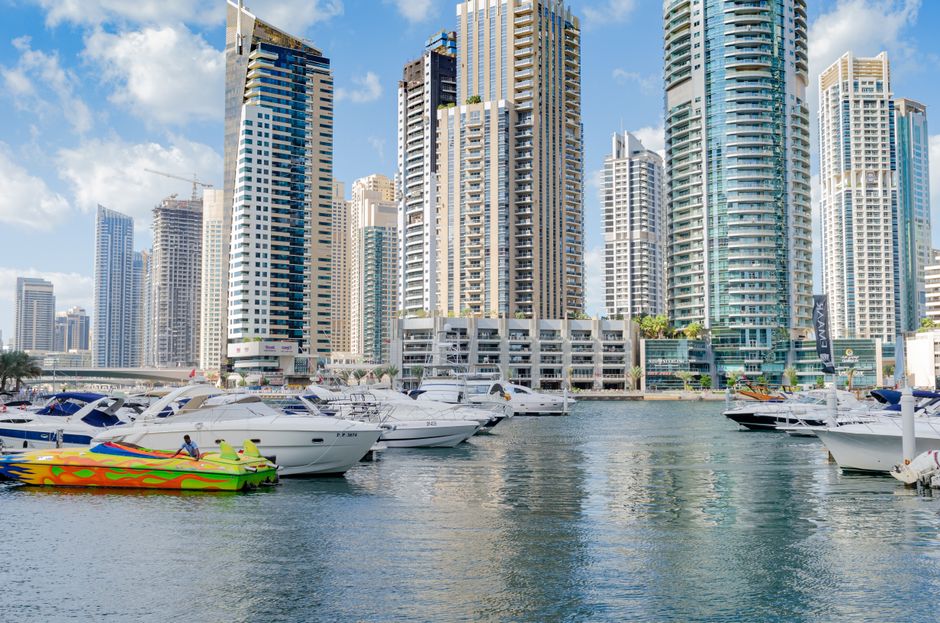
Marina and Downtown Dubai remain the bellwethers of this trend. Two-bedroom apartments in Marina are fetching around AED 1.2-1.5 million ($330,000-$410,000), with monthly rents hovering near AED 6,000-7,500 ($1,600-$2,050). For investors, that translates to gross yields approaching 6 per cent—a figure that's proven magnetic for portfolio diversifiers seeking steady cashflow.
But the real momentum is building in emerging precincts. Jumeirah Village Circle (JVC) and Dubai South are attracting astute capital, offering better value propositions. One-bedroom apartments in JVC are trading at AED 850,000-950,000 with annual rents of AED 48,000-54,000, pushing yields to a compelling 5.5-6.5 per cent range. Meanwhile, Dubai South's proximity to Al Maktoum International Airport is fuelling both residential and commercial interest, with some investors reporting 6-7 per cent returns on completed units.
What's driving this shift? Several factors are converging. Firstly, Dubai's rental market is experiencing genuine demand pressure. An influx of young professionals, coupled with growing corporate relocations from regional hubs, is keeping vacancy rates compressed. Studio apartments across Business Bay and Deira are achieving near full occupancy, with annual rent growth of 3-5 per cent.
Secondly, the regulatory environment has become increasingly investor-friendly. Freehold ownership rights, straightforward visa pathways for property investors, and transparent transaction processes have reduced perceived risks for international capital.
Perhaps most importantly, investor psychology has shifted. The era of speculative flipping has given way to a focus on fundamentals—location, tenant quality, maintenance costs, and consistent returns. This maturation is healthy for the market.
For investors evaluating opportunities, the sweet spot appears to be established, well-connected neighbourhoods offering yields above 5.5 per cent. Properties in Al Barsha, Deira, and Bur Dubai represent excellent value, while emerging areas like Dubai South and JVC offer growth potential alongside respectable current returns.
As global investment capital seeks yield, Dubai's rental market is quietly positioning itself as a preferred destination for disciplined, income-focused investors.
This article was compiled by AI from the sources linked above and screened before publishing. See our editorial standards.