Dubai rental yield: Best buy-to-let returns in 2024
Dubai's rental market delivers 5-7% yields across Marina, Downtown, and Arabian Ranches. Discover why savvy investors are shifting focus to buy-to-let opportunities in the emirate.
Dubai's rental market delivers 5-7% yields across Marina, Downtown, and Arabian Ranches. Discover why savvy investors are shifting focus to buy-to-let opportunities in the emirate.
Listen to this article · 3:50
Dubai's property investment narrative is shifting. While headlines focus on price corrections across Australia's capital cities, savvy investors looking beyond local borders are recognising that the emirate's rental yield landscape presents a compelling alternative to traditional real estate plays.
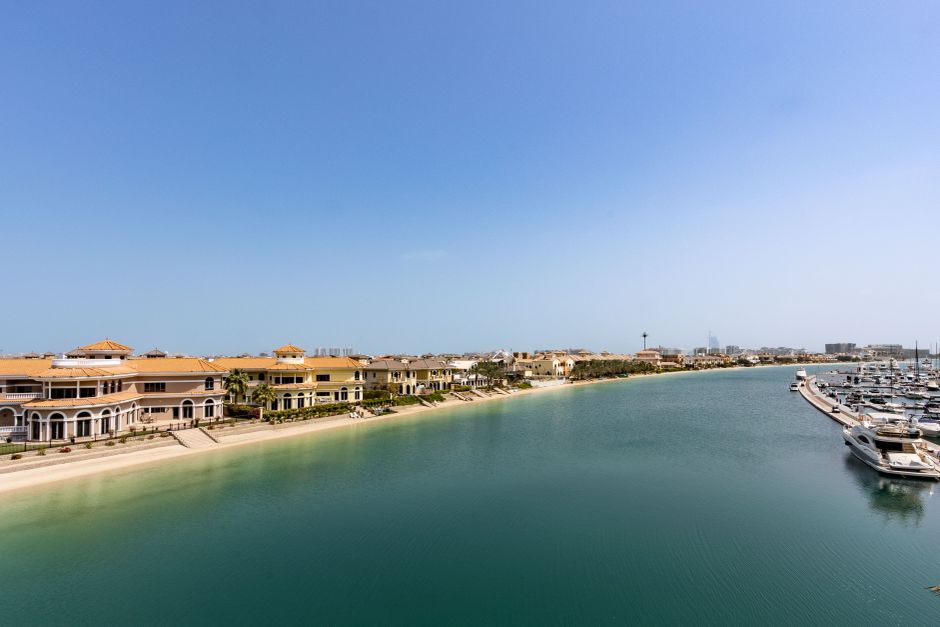
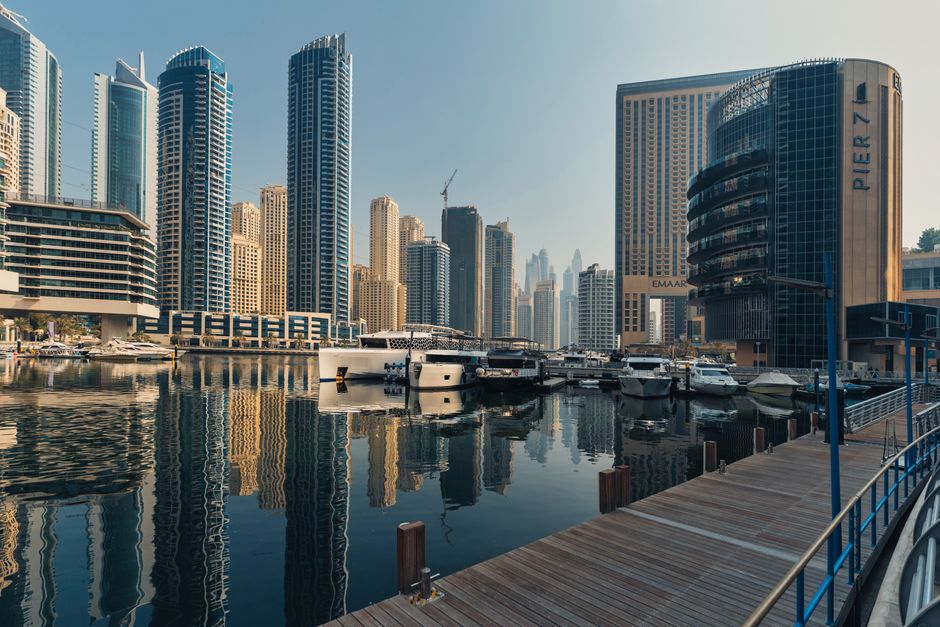
The numbers tell a compelling story. Investment-grade apartments in Marina and Downtown Dubai are now delivering gross rental yields between 5-6.5%, a significant jump from the 3-4% range that dominated the market just three years ago. For villa investors in established communities like Arabian Ranches and The Meadows, yields are pushing toward 7%, particularly for three and four-bedroom properties targeting family tenants from expat communities.
"We're seeing a fundamental reset," explains market analysts tracking Dubai's residential landscape. "Capital growth has moderated, but rental demand remains robust. That's created a unique window for yield-focused investors." The shift reflects broader market dynamics: while property prices in prime locations have stabilised rather than surged, rental rates have held firm, supported by Dubai's continued population growth and limited new supply coming online.
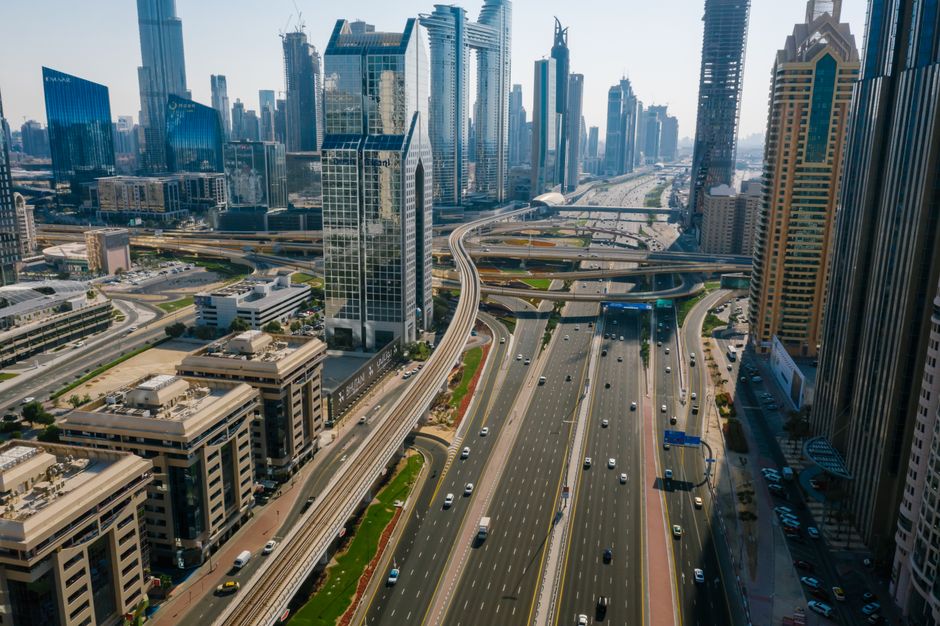
Business Bay presents an intriguing case study. Mid-market two-bedroom apartments that traded for AED 850,000-950,000 during the boom now yield consistent monthly rents of AED 5,000-5,500. That's a return profile that demands attention from diversified property portfolios. Similarly, Jumeirah Lake Towers, long dismissed as a secondary market, is now attracting serious investor interest as rental demand from young professionals outpaces available stock.
The sustainability question looms large. Unlike the speculative frenzies that characterised previous cycles, today's rental yield environment reflects structural demand: Dubai's population continues expanding, employment remains relatively stable, and expatriate workers represent a consistent renter base. The introduction of longer-term visa categories and remote work arrangements has only strengthened demand for quality rental accommodation.
However, investors should note important caveats. Regulatory changes, including potential rent controls and tenant protection laws, could compress yields. Property tax discussions at government level may also reshape the investment equation. Additionally, financing costs remain elevated for offshore investors, impacting net returns.
For international investors comparing Dubai against Australian markets currently experiencing synchronised price declines, the proposition warrants serious consideration. While Australian property offers familiarity and regulatory certainty, Dubai's current rental yield environment—coupled with AED currency stability and strategic location—presents a genuinely different risk-return profile worth evaluating within a diversified investment strategy.
This article was compiled by AI and screened before publishing. See our editorial standards.
How does this story make you feel?
Spread the word
About this article
Published by The Daily Dubai
Daily brief
Free, in your inbox before 7am. Weekdays.
More in Property