Cape Verde's World Cup Fairytale Puts African Football in Dubai's Spotlight
The island nation's stunning tournament run is drawing unprecedented attention to African clubs and their ambitions to compete on the world's biggest stages.
The island nation's stunning tournament run is drawing unprecedented attention to African clubs and their ambitions to compete on the world's biggest stages.
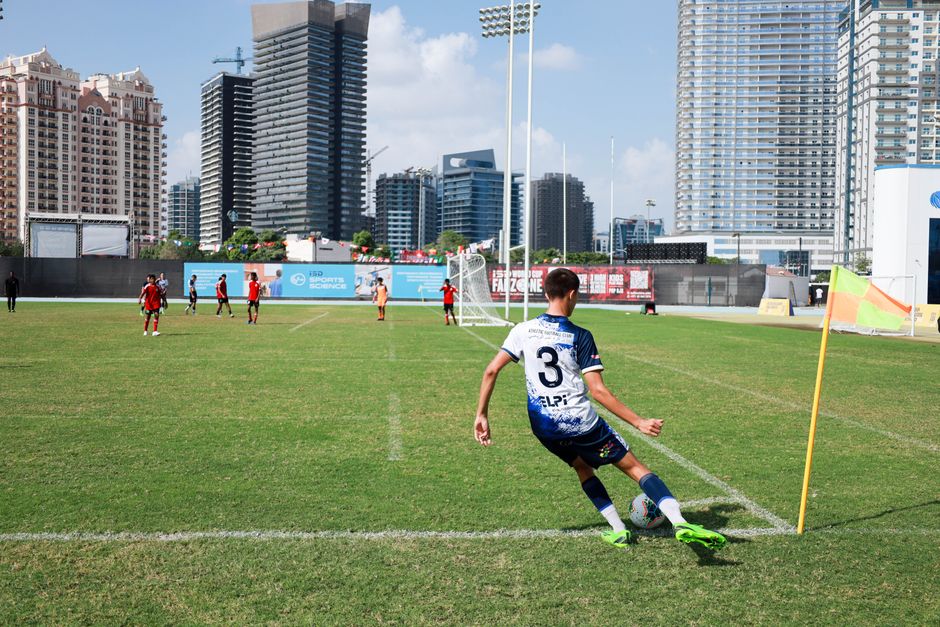
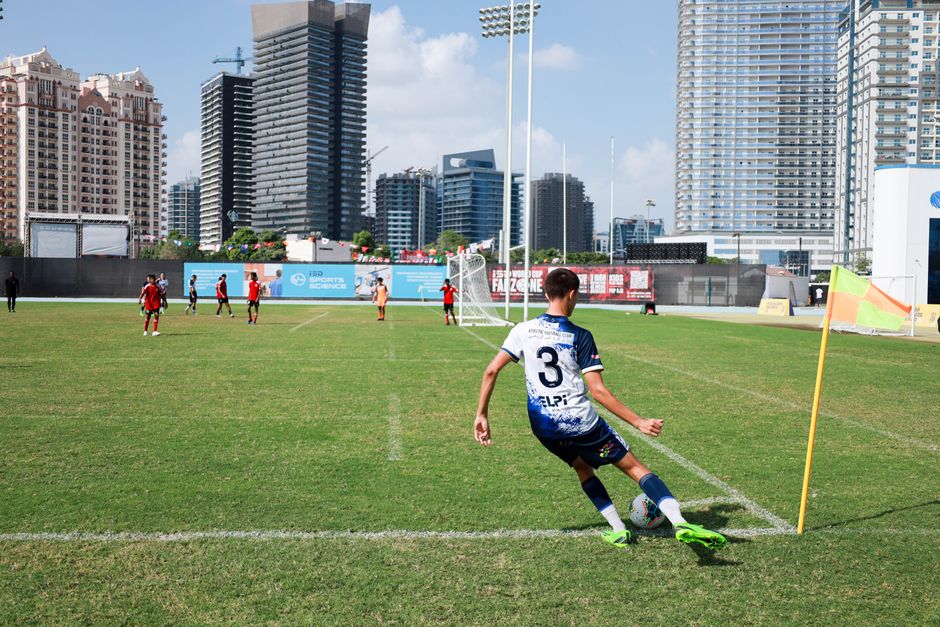
Cape Verde's improbable World Cup campaign has captivated sports enthusiasts across the globe, and Dubai's thriving sporting community is no exception. The Atlantic island nation's unexpected progression through the tournament has reignited conversations about infrastructure investment, youth development programmes, and the role of global sporting hubs like Dubai in nurturing African athletic talent.
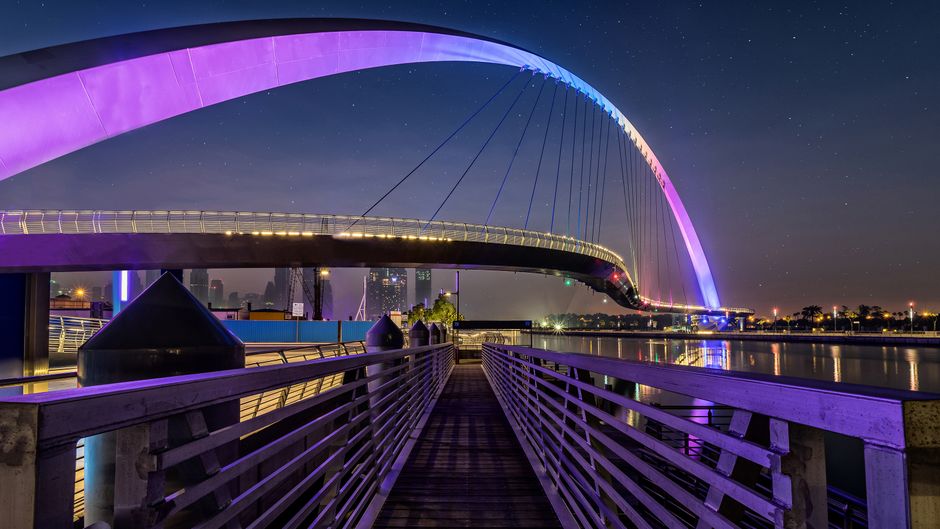
The success has particular resonance here in the Emirates. Dubai's world-class venues—from the 60,000-capacity Rashid Stadium in Zabeel to the state-of-the-art training facilities scattered across Jebel Ali and Dubai Sports City—have long attracted international football clubs seeking pre-season preparation and tournament hosting opportunities. Yet Cape Verde's run demonstrates something different: that ambition and organisation can transcend resource disparity.
Since 2019, when the Mohammed Bin Rashid Sports City expanded its football academies, Dubai has positioned itself as a development hub for African talent. The Cape Verdean Football Federation's recognition of this infrastructure prompted several youth development partnerships with Emirates-based organisations over recent years. These initiatives have helped younger players access training methodologies and competitive frameworks previously unavailable on the islands.
Cape Verde's performance has also sparked interest among Dubai's expatriate communities, particularly those with West African heritage concentrated in neighbourhoods like Bur Dubai and around the Gold Souk areas. Viewing parties at sports cafés along Sheikh Zayed Road and in the Marina district have drawn crowds that reflect the broader excitement.
The economic implications are significant. Dubai's sports tourism sector—worth an estimated AED 8.5 billion annually—stands to benefit from increased interest in African football partnerships. The Autódromo-hosted Africa Cup qualifiers in January 2026 drew 47,000 spectators, indicating robust appetite for continental competitions hosted locally.
For African clubs more broadly, Cape Verde's trajectory offers a blueprint. Success increasingly depends less on historical pedigree and more on smart infrastructure investment, coaching excellence, and strategic use of preparation hubs. Dubai's position as a neutral venue with exceptional facilities makes it an natural destination for teams seeking to develop competitive depth.
As the tournament enters its final stages, expect further announcements regarding African football academies establishing formal operations within Dubai Sports City. The Cape Verdean story—one of determination overcoming geographical isolation—resonates powerfully in a city built on precisely that ethos. Whether this momentum translates into sustained continental success remains to be seen, but one thing is certain: African football is demanding attention, and Dubai's stadiums are ready to provide it.
This article was compiled by AI from the sources linked above and screened before publishing. See our editorial standards.
How does this story make you feel?
Spread the word
About this article
Published by The Daily Dubai
Daily brief
Free, in your inbox before 7am. Weekdays.
More in Sport