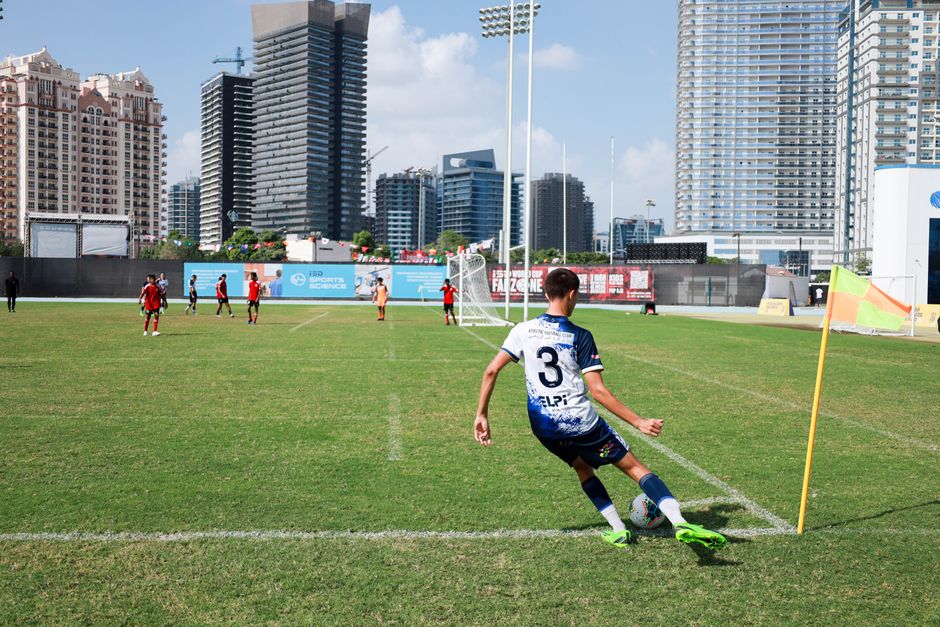
The numbers tell a compelling story. Participation in organised football leagues across Dubai has surged 34% over the past two years, according to data from the Dubai Sports Council, with nearly 8,400 players now registered in competitive recreational divisions. For a city often associated with high-end gyms and luxury wellness retreats, this grassroots explosion offers revealing insights into how residents are genuinely spending their fitness hours.
The boom is visible across Dubai's established sporting hubs. Pitch counts at the Jebel Ali Sports Complex have increased from eight to twelve, with waiting lists now stretching three months for weekend slots. Meanwhile, community-run facilities in Deira and Bur Dubai—traditionally overlooked by the glossy fitness narrative—are experiencing unprecedented demand. The Ras Al Khor Sports Club reported a 47% jump in league registrations this year alone.
What's particularly striking is the demographic spread. Rather than the expected concentration of expat professionals, the data reveals substantial growth among Emirati participants, with women's league entries up 52% year-on-year. This diversification suggests football is becoming genuinely embedded in Dubai's fitness culture, transcending the casual kick-about stereotype.
The financial barrier has historically been overstated. League entry fees range from AED 2,500 to AED 6,000 per season across most clubs, positioning recreational football competitively against personal training packages at Marina-based facilities. Youth participation through schools and academies adds another layer—the Emirates Youth Sports Council now oversees 34 affiliated programmes, up from 19 in 2024.
Equipment retailers along Trade Centre Road and near Dubai Mall report increased sales of football-specific gear, particularly shin guards and training kits, suggesting this isn't merely casual participation. Players are investing meaningfully in their involvement.
The cultural implications run deeper than fitness metrics. These leagues represent precisely the kind of structured community engagement that Dubai's rapid urbanisation sometimes obscures. Teams organise around shared nationality, professional background, or neighbourhood identity—creating social scaffolding that recreational fitness usually fragments.
As the emirate continues evolving beyond its construction-driven economy, this shift toward participatory sport rather than spectatorship or individual wellness mirrors broader patterns in maturing global cities. Dubai's residents aren't just watching football; they're playing it, systematically, together—and the data confirms this represents a fundamental reordering of how the city defines fitness culture.
This article was compiled by AI from the sources linked above and screened before publishing. See our editorial standards.