From Pitch to Neighbourhood: How Dubai's Local Football ...
As grassroots teams expand their reach across Emirates, football is becoming the glue holding diverse neighbourhoods together.
As grassroots teams expand their reach across Emirates, football is becoming the glue holding diverse neighbourhoods together.
Football in Dubai has long been synonymous with the glitzy professional leagues and international tournaments that grace the city's state-of-the-art stadiums. But a quieter, equally significant transformation is happening on the neighbourhood pitches—where local clubs are becoming genuine community anchors, weaving together the fabric of residential areas from Al Wasl to Jumeirah and beyond.
The trend reflects broader shifts in how Dubai's diverse population seeks connection. Local clubs operating across the city's residential zones have seen membership surge by an estimated 35 per cent over the past two years, according to data from the Dubai Football Association. What began as weekend kickabouts has evolved into structured community programmes that extend well beyond the 90 minutes of match time.
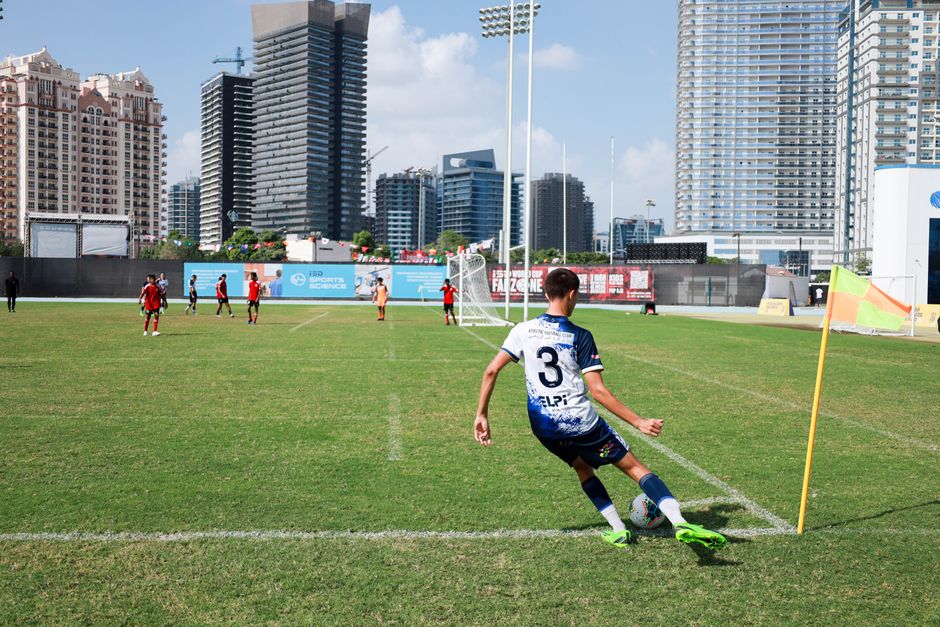
In Jumeirah, the Jumeirah Football Club has expanded its youth academy to include girls' programmes, now running sessions for children aged four to sixteen across three pitches near the beachfront. Similarly, clubs operating across Business Bay and Downtown Dubai have become focal points for expat communities seeking familiar outlets and social networks in a transient city.
The financial accessibility matters considerably. Membership fees at most neighbourhood clubs range from AED 800 to AED 2,500 annually—substantially lower than private academies—making competitive football accessible to families across income brackets. Several clubs now offer scholarship programmes targeting talented youngsters from underserved neighbourhoods.
Beyond youth development, these clubs function as genuine community infrastructure. They host family events, arrange coaching clinics, and organise inter-neighbourhood tournaments that draw hundreds of spectators. The Al Wasl Football Club's recent summer festival attracted over 1,200 residents across three days, with activities ranging from five-a-side competitions to coaching masterclasses.
What distinguishes this movement is its emphasis on inclusivity. Clubs increasingly field mixed-age teams, welcome players of varying abilities, and actively recruit women's participation. The social fabric strengthens further through volunteer coaching networks—many clubs now operate with 60 to 80 per cent volunteer involvement from their own communities.
Local administrators point to football's unique position in Dubai's multicultural landscape. The sport transcends language barriers and cultural backgrounds, creating neutral ground where Pakistani, Indian, Filipino, British, and Emirati residents interact naturally around shared passion. This year alone, neighbourhood clubs have organised over forty inter-community friendlies, many held in collaboration with local schools and youth centres.
As Dubai continues expanding, these grassroots clubs represent something increasingly precious: genuine human-scale community. They remind us that the city's greatest strength isn't its superlatives, but moments when neighbours become teammates.
This article was compiled by AI and screened before publishing. See our editorial standards.
How does this story make you feel?
Spread the word
About this article
Published by The Daily Dubai
Daily brief
Free, in your inbox before 7am. Weekdays.
More in Sport