Dubai's emergence as a global sporting powerhouse rests on more than ambition—it stands on billions of dirhams invested in world-class facilities that rival anything found in London, New York, or Sydney. The infrastructure supporting sport locally has transformed the emirate into a magnet for athletes, teams, and tournament organisers seeking excellence.
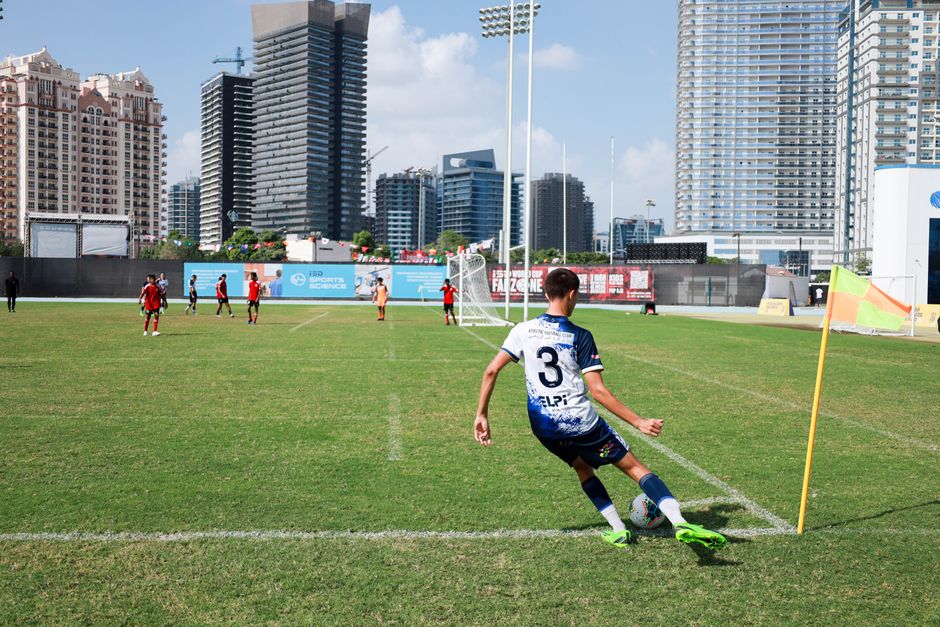
The Jebel Ali precinct remains the backbone of Dubai's sporting ecosystem. Home to the state-of-the-art Jebel Ali Shooting Club and multiple training grounds, this neighbourhood houses facilities that have hosted Olympic qualifiers and continental championships. Nearby, the Dubai Sports City development on the edge of the Al Quoz industrial area consolidates an ambitious vision: the Citius Club, elite training centres, and purpose-built academies occupy more than 3 million square metres of dedicated sporting real estate.
Nad Al Sheba, traditionally synonymous with horse racing excellence at Meydan Racecourse, now encompasses far broader athletic infrastructure. The Equestrian Club and various equine training facilities sit alongside modern sports medicine centres offering services that rival international standards. The integration of sports science with traditional sporting venues here exemplifies Dubai's holistic approach to athletic development.
The UAE's hosting of the AFC Asian Cup in 2019 and subsequent major tournaments accelerated investment in stadium capacity and technical capabilities. Venues like Zabeel Stadium, with its 20,000 capacity, and the refurbished Al Maktoum Stadium represent the emirate's commitment to infrastructure that meets FIFA and international federation standards. Climate control systems—essential in Dubai's unforgiving summers—represent significant technological investments across outdoor facilities.
Less visible but equally crucial are the training academies scattered across the city. From Sheikh Zayed Road's proximity to private clubs offering world-class coaching to grassroots facilities in Mirdif and Arabian Ranches, the infrastructure pyramid supports athletes at every developmental stage. Swimming pools, tennis courts, and multi-purpose gyms proliferate, with membership prices ranging from AED 3,000 to AED 25,000 annually, reflecting the premium positioning of local facilities.
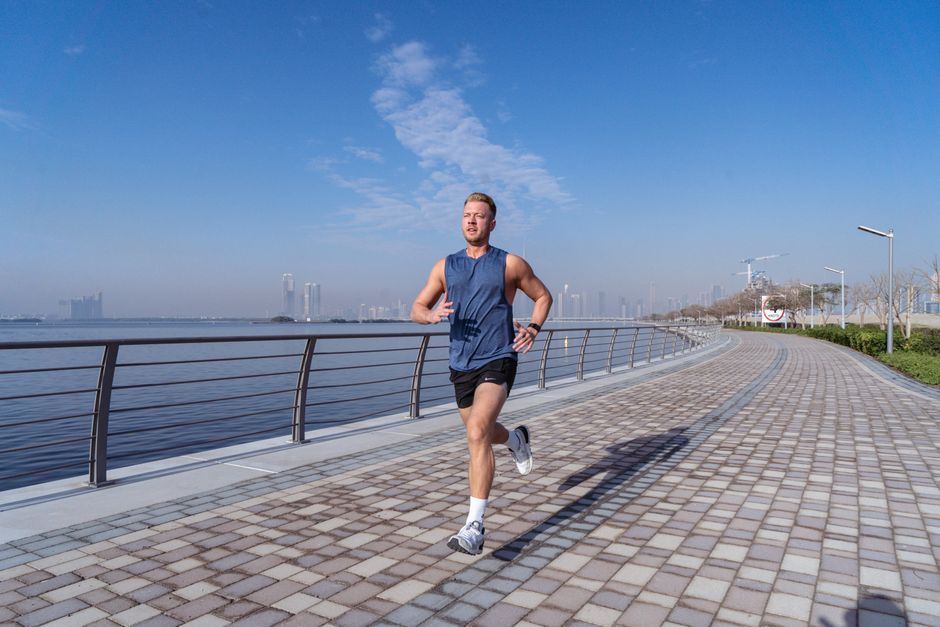
The Dubai Marathon, which attracts 30,000 runners annually, depends on infrastructure most visitors never consciously notice—timing systems, medical stations, hydration points, and traffic management across Sheikh Zayed Road and the coastal routes. Similarly, the DP World Tour events require permanent and temporary infrastructure that extends beyond the visible golf courses.
Investment in sports infrastructure continues unabated. The forthcoming upgrades to multipurpose venues and training centres underscore an understanding that hosting major events requires not just stadiums, but an entire ecosystem supporting preparation, competition, and recovery. For athletes targeting Olympic qualification or continental glory, Dubai's facilities increasingly represent the serious alternative to traditional sporting capitals.
This article was compiled by AI from the sources linked above and screened before publishing. See our editorial standards.