From Al Manara to Arabian Ranches: How Dubai's Amateur ...
With membership numbers climbing and grassroots participation at record highs, recreational leagues across the emirate are fostering genuine connection far beyond the pitch.
With membership numbers climbing and grassroots participation at record highs, recreational leagues across the emirate are fostering genuine connection far beyond the pitch.
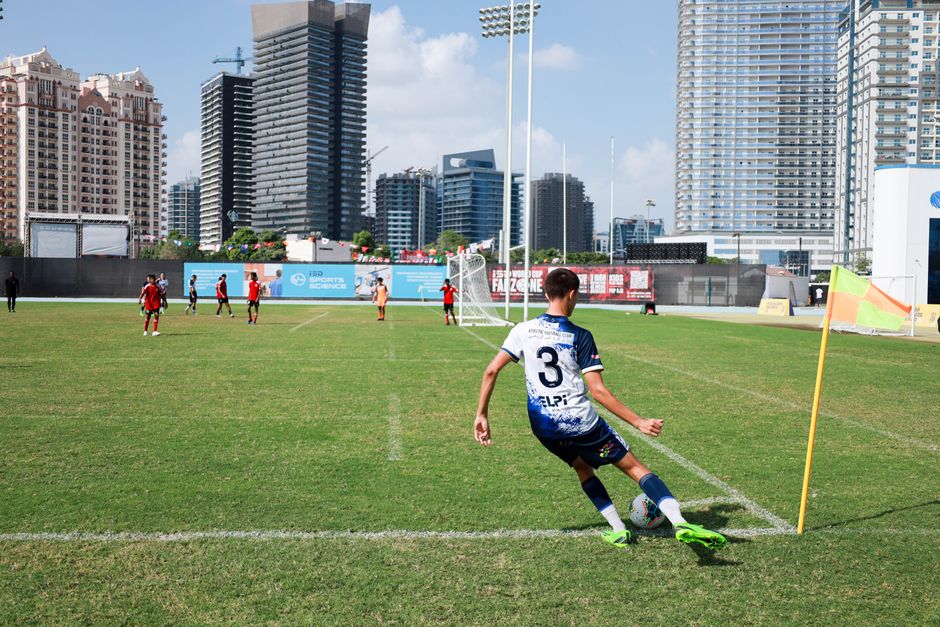
Walk through Dubai's verdant parks on any weekend morning and you'll witness a quiet revolution. At Safa Park, netball teams clash under the early sun. Along the Jumeirah beachfront, paddleboarding clubs dot the shoreline. In neighbourhood courts across Deira and Bur Dubai, amateur badminton leagues draw hundreds of enthusiasts each season. These aren't elite pursuits—they're community anchors that have quietly become the social glue binding Dubai's diverse residents together.
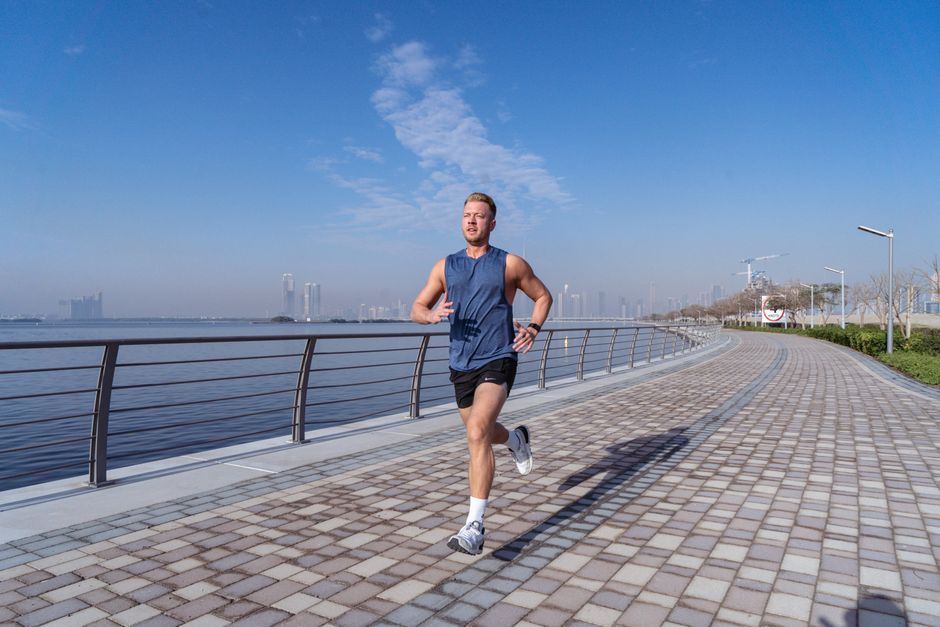
The numbers tell a compelling story. Over the past two years, membership in Dubai's recreational sports clubs has grown by approximately 35 percent, according to data from the Emirates Golf Club and parallel amateur athletic associations operating across the seven emirates. The Dubai Running Club, which maintains regular meetups in parks from Zabeel to Arabian Ranches, has nearly tripled its active membership base since 2023, now regularly attracting 150-plus participants to weekend sessions.
What's driving this surge? Accessibility is paramount. Unlike professional sports facilities, amateur clubs operate with modest fees—typically between AED 200 and 600 annually for memberships—making participation genuinely democratic. The Deira Sports League, which organizes amateur football, cricket, and volleyball tournaments across multiple neighborhoods, has deliberately positioned itself as inclusive infrastructure rather than exclusive club.
"Community sport fills a genuine gap," explains the ecosystem of clubs operating near Al Manara, where mixed-gender cricket leagues and tennis coaching programs serve families from dozens of nationalities. These aren't organized by international franchises or corporate sponsors. They're run by passionate volunteers—engineers, teachers, healthcare workers—who see sport as a vehicle for genuine human connection in a transient city.
The cultural impact extends beyond fitness metrics. Clubs operating in areas like Satwa and Karama have become naturalized gathering points where long-term residents mentor newcomers, where languages blend freely, where weekend friendships evolve into genuine networks. Parents use club participation as a reliable community touchstone. Young professionals find peer groups outside workplace hierarchies. Expat families establish roots.
Even as Dubai continues its skyward trajectory, these grassroots sporting communities remind us that the city's real wealth lies in its human connections. They're testament to an enduring truth: sport's most profound value isn't measured in trophies or attendance figures, but in the ordinary magic of strangers becoming neighbors, united by nothing more than a shared passion and a weekend commitment to play together.
This article was compiled by AI from the sources linked above and screened before publishing. See our editorial standards.
How does this story make you feel?
Spread the word
About this article
Published by The Daily Dubai
Daily brief
Free, in your inbox before 7am. Weekdays.
More in Sport