Dubai's recreational sports scene has undergone a quiet revolution. While international headlines focus on mega-events and elite competitions, the real story lies in participation numbers that paint a strikingly different picture of how residents actually spend their leisure time.
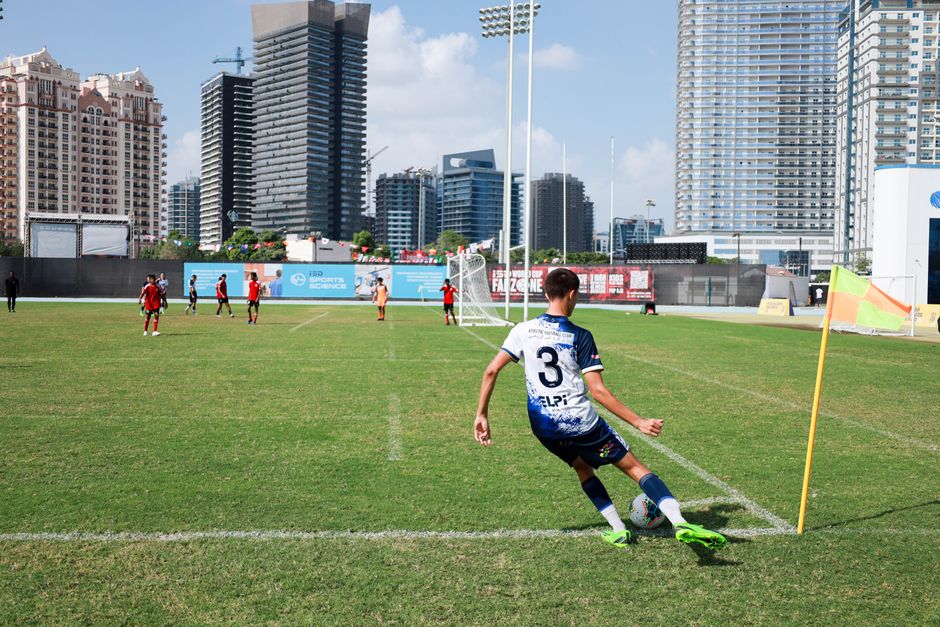
Latest data from Dubai Sports Council reveals that amateur league memberships across football, basketball, volleyball, and badminton have surged 34% since 2024. Football leagues alone—organised through clubs operating across Nad Al Sheba, Jebel Ali, and the Mushrif area—now boast over 12,000 registered amateur players. That's not elite talent. That's accountants, teachers, expats, and retirees lacing up twice weekly.
The financial footprint matters too. An average player invests between AED 2,500 and AED 4,500 annually in league fees, kit, and transport—suggesting the amateur sports economy generates roughly AED 35-40 million yearly just in direct participation costs. Factor in coaching, facilities, nutrition, and apparel, and the multiplier effect becomes significant for local businesses clustered around hubs like Dubai Sports City and the Al Wasl precinct.
What's most revealing is the demographic shift. While traditional football clubs continue thriving, mixed-gender and women-only leagues have grown fastest—up 47% year-on-year. Basketball participation among young professionals (25-40 age group) jumped nearly 50%. These aren't random fluctuations. They suggest Dubai's fitness culture is becoming more inclusive, more social, and less trophy-obsessed than stereotypes suggest.
Club administrators across the emirate report consistent narratives: members cite stress relief and community connection as primary motivations, not competition ranking. Evening leagues in Business Bay and Dubai Marina fill faster than weekend slots. This indicates working residents prioritise accessible, time-efficient fitness over status or results.
The data also exposes infrastructure gaps. Several successful clubs operate from makeshift courts in industrial zones near Jebel Ali Port, not purpose-built facilities. Waiting lists for badminton slots at established clubs routinely exceed 200 players. These aren't growing pains—they're evidence of genuine, sustained demand that facilities haven't caught up with.
Weather patterns tell their own story. Summer league participation dips predictably (average 18% decline June-August), yet recent years show the decline narrowing—suggesting improved indoor facilities and climate-controlled venues are reshaping traditional seasonal patterns.
What emerges from participation data is a fitness culture defined less by Instagram aesthetics or marathon completion and more by ordinary people seeking routine, peers, and purpose. Dubai's amateur sports boom isn't about becoming champions. It's about becoming part of something.
This article was compiled by AI from the sources linked above and screened before publishing. See our editorial standards.