Dubai's transformation into a global sports powerhouse hasn't been confined to headline-grabbing international events. Behind the glittering professional tournaments lies a quietly impressive network of facilities that have democratised sport across the emirate, enabling thousands of amateur players to pursue their passion year-round.
The backbone of this infrastructure centres on major multipurpose complexes. The Dubai Sports City, sprawling across 500 acres in Al Barsha South, houses dozens of facilities including cricket grounds, rugby pitches, and tennis courts—venues that host everything from professional matches to recreational league tournaments. Similarly, the Nad Al Sheba Sports Complex has become synonymous with equestrian excellence, but its facilities extend to football pitches and athletic tracks that serve local clubs and weekend warriors alike.
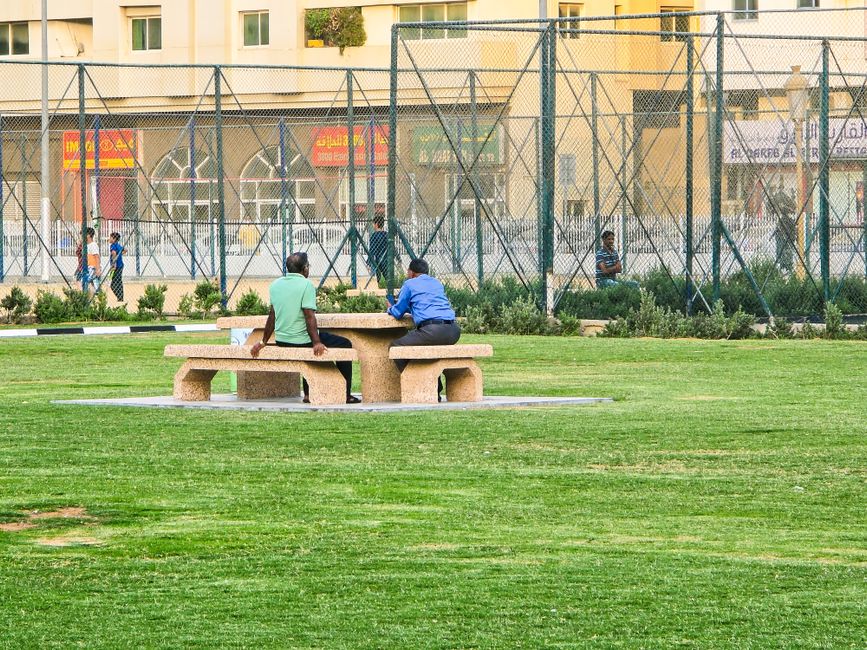
What distinguishes Dubai's approach, however, is the deliberate distribution of facilities across neighbourhoods. Al Manara in Jumeirah hosts multiple football pitches managed by the Dubai Sports Council, while the Garhoud area's climbing and fitness centres have spawned thriving amateur communities. These grassroots venues charge competitive membership fees—typically between AED 1,500 to 3,500 annually—making organised sport accessible beyond the ultra-wealthy demographic.
The numbers tell a compelling story. The Dubai Municipality oversees approximately 120 public sports facilities across the city. Meanwhile, private sports clubs have proliferated, with organisations like the Arabian Ranches Golf Club and Emirates Golf Club extending membership to amateur golfers, and the Dubai Offshore Sailing Club nurturing a robust recreational sailing community. Cricket, a sport deeply embedded in the expatriate fabric, boasts upwards of 30 amateur leagues operating across multiple grounds, from Sharjah's International Cricket Stadium to neighbourhood pitches in Jebel Ali and Mirdif.
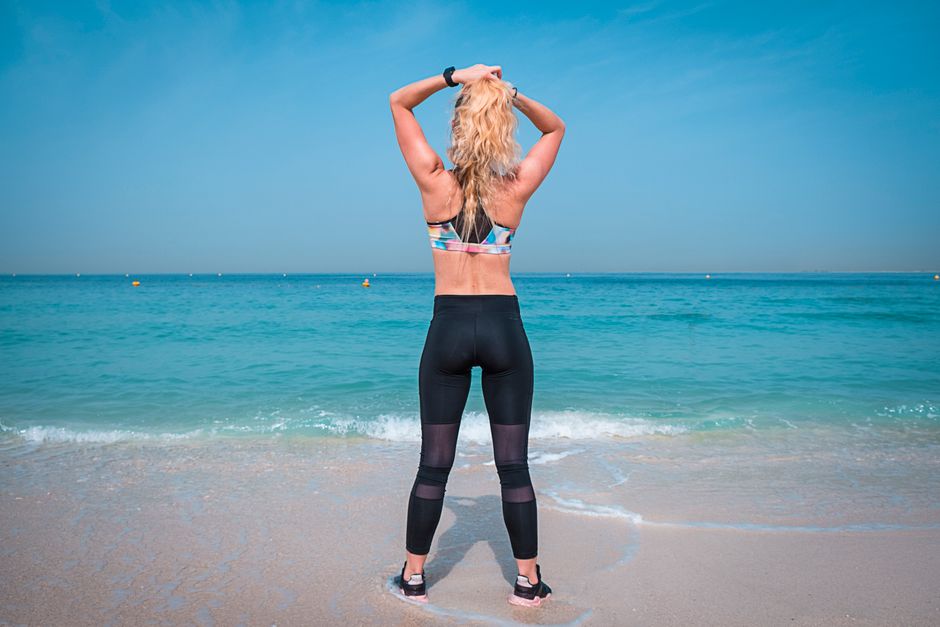
Recent investments have targeted emerging sports. Skateparks have materialised in Al Safa and Mushrif, while padel tennis courts—a phenomenon that exploded across the emirate in recent years—now number well over 200 facilities. Beach volleyball courts dot the coastline from Kite Beach to La Mer, enabling year-round recreational play.
The infrastructure's success hinges on accessibility and maintenance. The Dubai Sports Council's partnership with private developers has ensured that facility upkeep meets international standards while keeping entry barriers low. Air-conditioned indoor facilities prove essential during summer months when outdoor sport becomes physically punishing.
For the amateur athlete in Dubai, the message is clear: the infrastructure now exists not just to host world-class professionals, but to sustain a vibrant, inclusive sporting culture that defines modern urban life in the emirate.
This article was compiled by AI from the sources linked above and screened before publishing. See our editorial standards.