Dubai's Football Revolution: How World-Class Venues Are Transforming the Local Game
From the Jebel Ali grounds to Zabeel Park's training pitches, the emirate's sprawling sports infrastructure is putting homegrown talent on the global map.
From the Jebel Ali grounds to Zabeel Park's training pitches, the emirate's sprawling sports infrastructure is putting homegrown talent on the global map.
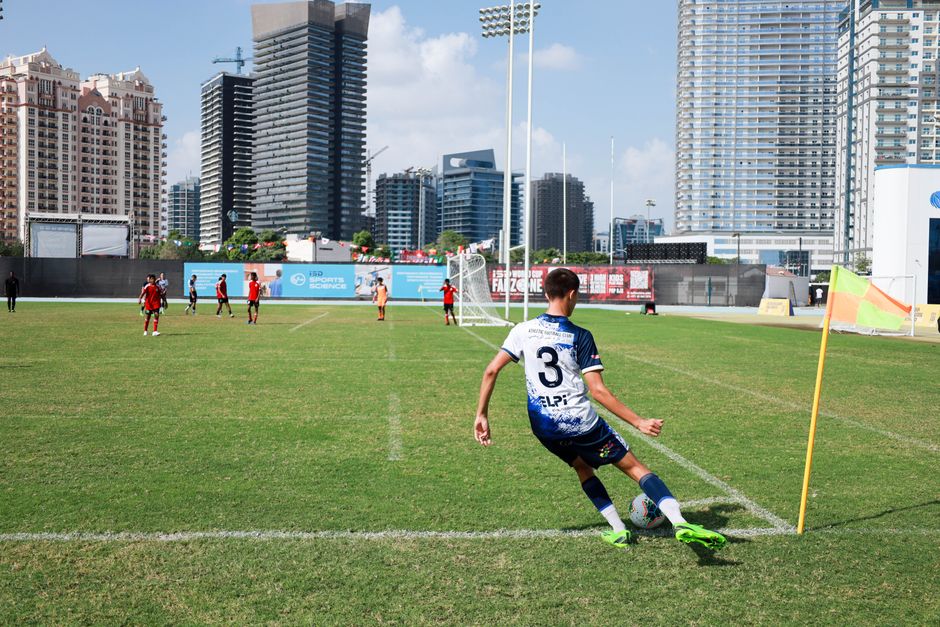
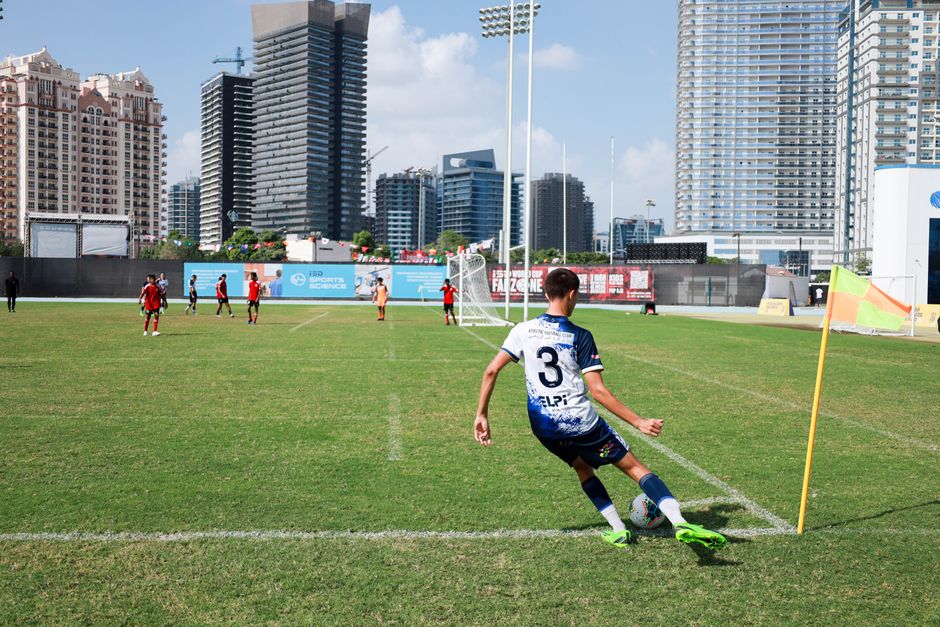
Dubai's football ecosystem has undergone a dramatic transformation over the past five years, with investment in stadiums, training facilities and grassroots venues reshaping how the sport operates across the emirate. The infrastructure boom is now delivering tangible results for local clubs competing in the UAE Pro League and emerging youth academies scattered across residential communities from Downtown to Arabian Ranches.
The Hazza Bin Zayed Stadium in Al Ain remains the region's flagship venue, but Dubai's own Mohammed Bin Rashid Stadium in Jebel Ali—with its 25,000-seat capacity and FIFA-standard pitch specifications—has become the beating heart of local football ambitions. The facility underwent significant upgrades in 2024, introducing enhanced training grounds and modern recovery facilities that rival anything in Europe. Club executives report that the availability of multiple pitches across the sprawling Jebel Ali Sports City complex has allowed simultaneous training for various age groups, a critical advantage for talent development.
Beyond the major stadiums, Dubai's suburban neighbourhoods now host an intricate network of smaller facilities. Zabeel Park's dedicated football zones cater to recreational leagues, while the Al Wasl Club grounds in Umm Suqeim provide semi-professional infrastructure for emerging players. The Dubai Sports Council estimates that over 47 formal football clubs now operate within the emirate, many utilizing newly renovated facilities in areas like Nad Al Sheba and Meydan.
Private academies have also proliferated, with establishments such as the Al Nasr Training Centre and independent youth programmes occupying prime real estate across Dubai. Annual membership fees for elite youth academies range from AED 15,000 to AED 45,000, reflecting the premium nature of coaching and facility access. These private venues complement government-backed initiatives, creating a tiered development pathway from grassroots futsal courts to professional preparation grounds.
The infrastructure advantage extends beyond match venues. Sports scientists now operate from modern medical facilities embedded within club complexes, offering injury prevention and rehabilitation services that were unavailable a decade ago. Travel logistics have improved too—proximity to Al Maktoum International Airport means training camps and touring sides can access world-class facilities without the infrastructure strain that affects older Middle Eastern football hubs.
As Dubai continues positioning itself as a global sports destination, football infrastructure remains central to that vision. The next phase includes proposed expansions at Zabeel and plans for dedicated women's football facilities across the North and South regions—initiatives that promise to deepen the local game's roots while elevating competitive standards for the next generation.
This article was compiled by AI from the sources linked above and screened before publishing. See our editorial standards.
How does this story make you feel?
Spread the word
About this article
Published by The Daily Dubai
Daily brief
Free, in your inbox before 7am. Weekdays.
More in Sport