While the world's attention has long fixed on Dubai's headline venues—the Sevens Stadium in the Dubai Sports City precinct, the state-of-the-art Mohammed bin Rashid Al Maktoum City complex—a quieter but equally vital sporting revolution is unfolding in the neighbourhoods themselves.
Local clubs operating across Arabian Ranches, Jumeirah, Al Wasl, and emerging residential zones like Ras Al Khor are no longer mere weekend fixtures. They've become anchors for community cohesion, transforming underutilised spaces into thriving sporting hubs that serve families earning the middle to upper-middle income brackets that form Dubai's backbone.
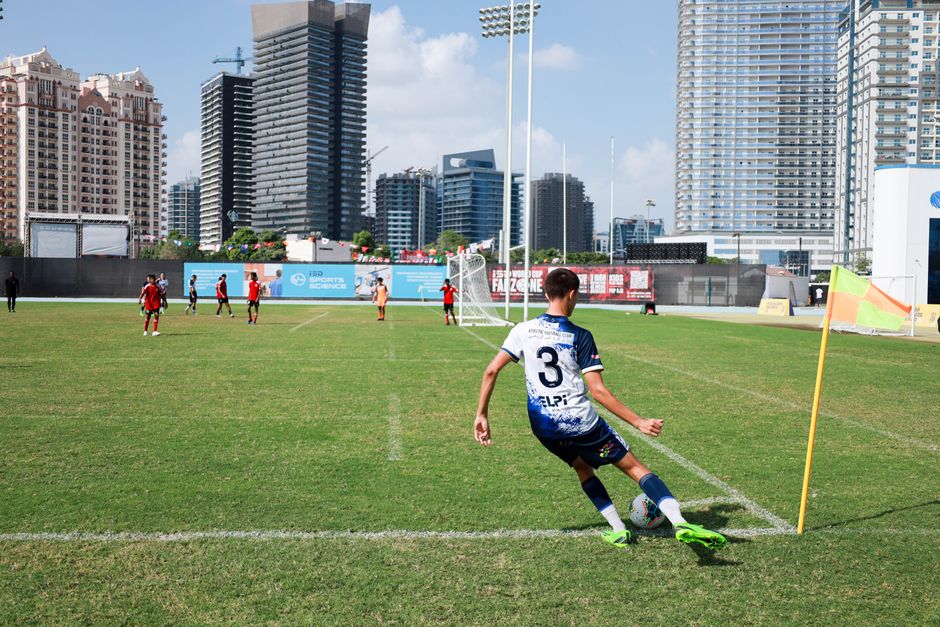
Take the network of football academies sprouting across Al Barsha and Al Safa. These facilities—many operating within community centres or leased stadium grounds at AED 15,000 to AED 25,000 monthly—now host over 2,500 junior players weekly across multiple age groups. Club membership fees, typically ranging from AED 3,000 to AED 6,000 annually per family, have made structured sports participation accessible beyond the traditionally premium international schools circuit.
Cricket clubs in Jebel Ali and Mirdif have similarly flourished. The Emirates Cricket Board reported a 34 per cent surge in registered club players since 2024, with neighbourhood sides now fielding competitive senior and youth teams. Weekend matches at dedicated grounds have become social events where Indian, Pakistani, and Emirati families gather—transforming sport into a vehicle for cultural integration.
Tennis facilities in Arabian Ranches and volleyball courts in Al Wasl have witnessed parallel growth patterns. One prominent neighbourhood facility reported a 48 per cent increase in membership renewals this year alone, with waiting lists for junior coaching now extending three months.
The infrastructure investment reflects genuine appetite. Many clubs have expanded beyond single-sport offerings; multi-purpose venues now bundle football pitches, basketball courts, and fitness facilities within the same location, appealing to households seeking convenient, affordable alternatives to premium sporting complexes.
Beyond participation numbers, these clubs function as genuine community infrastructure. They've hosted youth mentorship programmes, organised neighbourhood tournaments, and created sponsorship pathways for promising young athletes. Several have partnered with local schools and charities to subsidise fees for underprivileged children—a quiet but significant commitment to inclusive access.
As Dubai's residential footprint expands and its population becomes increasingly family-oriented, these neighbourhood clubs represent something the city's gleaming international stadiums cannot: belonging. They're where tomorrow's athletes discover their passion, where neighbours become teammates, and where sport becomes the connective tissue binding diverse communities into functional, vibrant wholes.
This article was compiled by AI from the sources linked above and screened before publishing. See our editorial standards.