Dubai's sporting landscape has undergone a quiet transformation in recent years, with local clubs increasingly using state-of-the-art facilities and community-focused programming to cement their place at the heart of neighbourhood life. Far from the glitz of international tournaments, these organisations are creating something arguably more valuable: sustained engagement and social cohesion across the emirate.
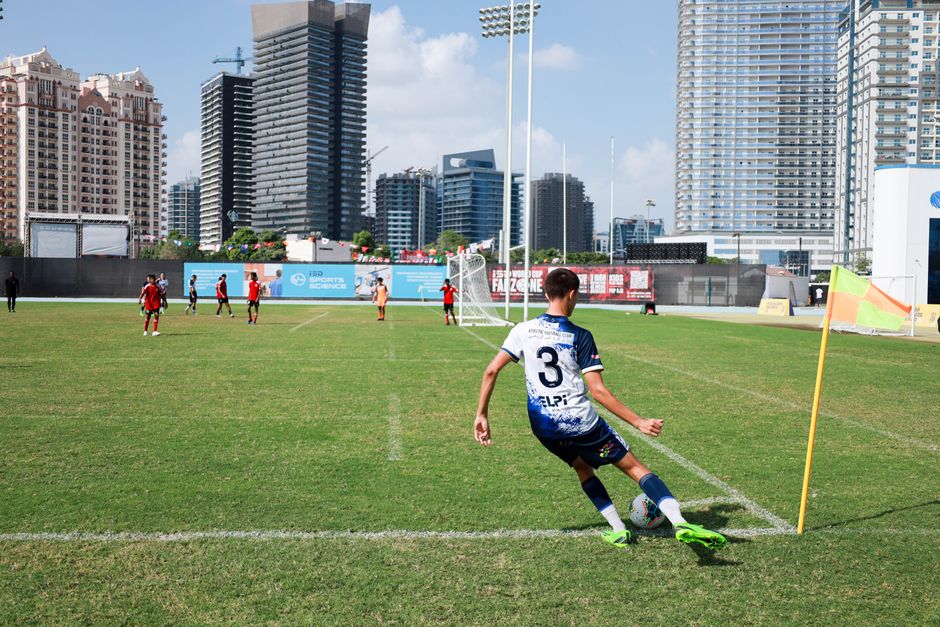
Al Nasr Club, established in the heart of Hor Al Anz, has become a model for this grassroots approach. Their recently upgraded training complex now accommodates over 800 junior members, with membership fees deliberately kept accessible at approximately 1,200 AED annually for youth programmes. The club's football academy alone has expanded its catchment area across Deira, Karama, and surrounding communities, attracting talent from families seeking structured sporting opportunities within their neighbourhoods.
Similarly, the Shabab Al Ahli Dubai Club has leveraged its position near Al Wasl to develop an ambitious community outreach initiative. Beyond their elite professional operations at Hazza Bin Zayed Stadium, they've established satellite training grounds in Satwa and Manara, bringing organised sport closer to residents who might otherwise lack access to quality facilities.
What distinguishes these efforts is their integration with broader community infrastructure. Several clubs now partner with local schools, youth centres, and municipal programmes to offer subsidised training sessions. The Dubai Sports Council's investment in neighbourhood venues—particularly in developing areas like Al Khawaneej and Nad Al Sheba—has enabled smaller organisations to reach previously underserved populations.
The numbers reflect genuine uptake. Participation in club-organised activities across Dubai's registered local sports organisations has grown roughly 15 per cent year-on-year since 2023, according to available federation data. Female participation in these programmes has surged particularly noticeably, with many clubs now running dedicated women's and girls' sections that scarcely existed a decade ago.
These venues serve functions extending well beyond sport itself. Community halls at club facilities host cultural events, youth employment workshops, and family gatherings—transforming them into genuine social anchors. For many families newly arrived in Dubai or those living in older, more tightly-knit neighbourhoods, these clubs have become essential gathering places.
The success of this model suggests Dubai's sporting identity need not rest solely on international glamour. While mega-events capture headlines, it's the steady work happening at neighbourhood pitches and training grounds that builds lasting community fabric. As local clubs continue expanding their facilities and deepening their neighbourhood roots, they're proving that the most meaningful sporting impact often happens quietly, away from stadium spotlights.
This article was compiled by AI from the sources linked above and screened before publishing. See our editorial standards.