Making Waves: How Dubai's Water Sports Clubs Are Building the Community One Swimmer at a Time
From Jumeirah Beach to inland pools, local aquatic clubs are fostering inclusion, wellness and belonging across the emirate.
From Jumeirah Beach to inland pools, local aquatic clubs are fostering inclusion, wellness and belonging across the emirate.
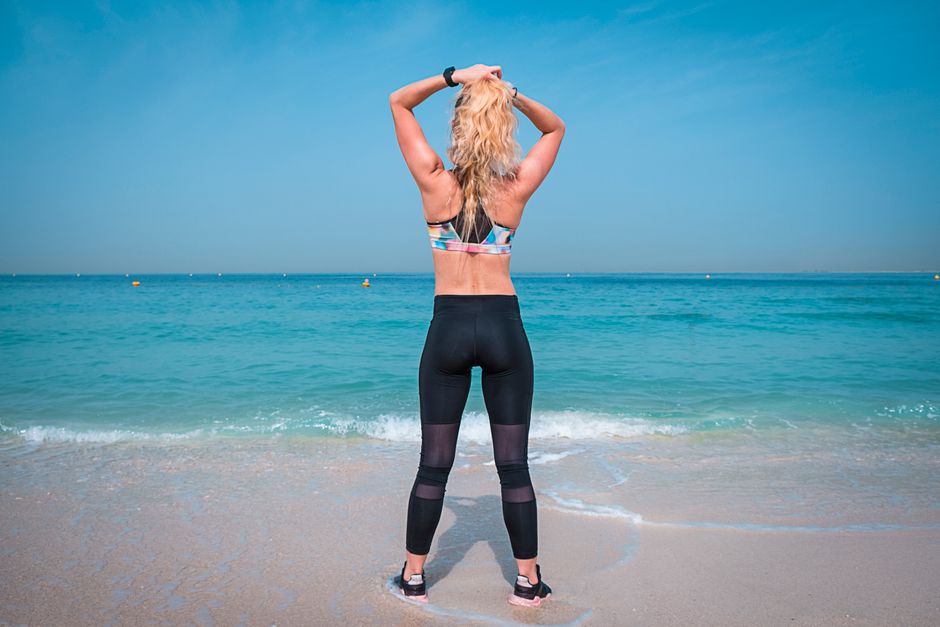
Dubai's water sports scene has undergone a quiet transformation over the past three years, with community-driven clubs replacing the image of exclusive resort pools and expensive coaching academies. Today, neighbourhood swimming clubs are thriving, attracting families from across the emirate who are discovering that accessible aquatic activity needn't come with a five-figure price tag.
Along the Jumeirah coastline and at facilities dotted through Deira, Al Barsha and Arabian Ranches, local clubs are expanding membership rosters and launching beginner programmes that prioritise inclusion over elite performance. The Umm Suqeim Swimming Club, situated near the iconic Burj Al Arab, has seen membership grow by 34% since 2024, offering weekend classes for children as young as three years old at roughly 200 dirhams per month—a fraction of private academy costs. Similar patterns emerge at inland venues such as the Al Wasl Sports Complex, where the Arabian Water Sports Association now runs five distinct community tiers, from absolute beginners to competitive swimmers.
What sets these clubs apart isn't merely affordability; it's the social fabric they've woven. Open-water swimming groups organising monthly beach cleanups in partnership with environmental NGOs have become social hubs. Triathlon training collectives meeting at Dubai Marina have fostered friendships across age groups and nationalities. The Bur Dubai Aquatic Centre, a relatively modest 50-metre facility, has become a gathering point where expatriate families, Emirati residents and third-country nationals converge in a shared pursuit of wellness.
Club administrators point to several drivers of this growth. Post-pandemic, residents prioritised outdoor and water-based fitness. Dubai's relentless summer temperatures have made swimming an essential rather than recreational activity. Investment in public and semi-public facilities has democratised access previously gatekept by resorts and private schools. Seasonal water polo leagues and community relay races have created friendly competition that motivates participation without breeding exclusivity.
The clubs have also adapted to Dubai's unique demographics. Many now offer classes in Arabic, Tagalog and Urdu. Flexible scheduling accommodates shift workers and students. Women-only sessions cater to those preferring gender-segregated spaces, reflecting the emirate's diverse population.
Yet challenges remain: chlorine allergies, water quality monitoring and securing consistent facility availability demand ongoing attention. Still, by any measure, Dubai's community water sports clubs are succeeding. They've transformed swimming from a solitary resort pastime into a genuine social currency, proving that the most exclusive communities aren't always the best ones.
This article was compiled by AI from the sources linked above and screened before publishing. See our editorial standards.
How does this story make you feel?
Spread the word
About this article
Published by The Daily Dubai
Daily brief
Free, in your inbox before 7am. Weekdays.
More in Sport