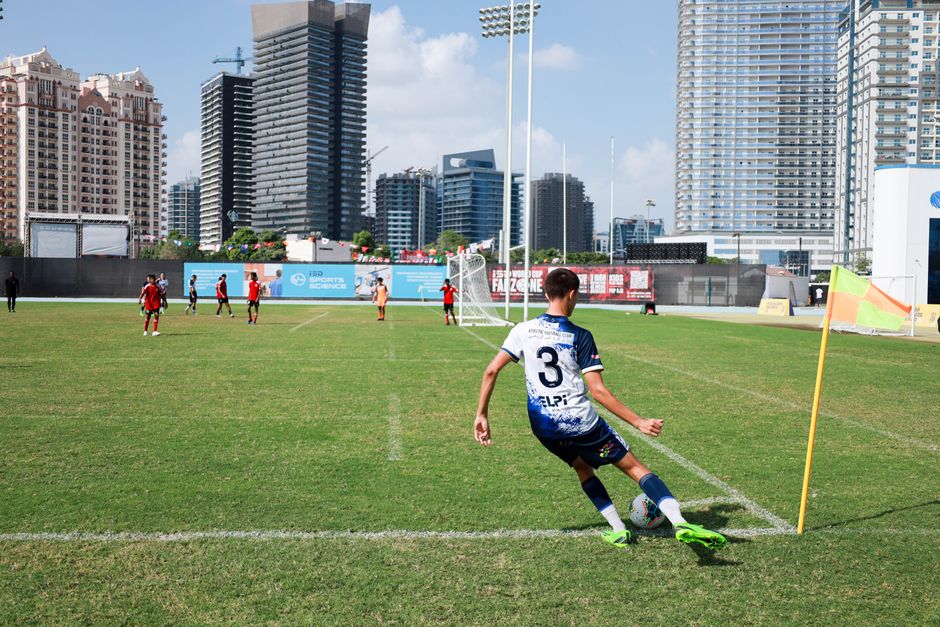
Walk through the residential streets of Al Wasl or Al Safa on any weekday evening, and you'll hear the unmistakable sounds of youth sport in action: footballs striking nets, tennis rackets connecting with serves, and coaches calling encouragement across dusty pitches. This is where Dubai's grassroots sporting revolution is quietly taking hold.
Over the past three years, neighbourhood-based clubs across Dubai have experienced unprecedented growth. Data from the Dubai Sports Council indicates a 34 per cent increase in youth club memberships at the grassroots level since 2023, with particular strength in football, basketball, and racquet sports. Al Wasl Club, one of the Emirate's oldest sporting institutions, now boasts nearly 2,400 junior members across all disciplines—a significant climb from fewer than 1,600 five years ago.
The appeal is multifaceted. While Dubai's professional and academy infrastructure attracts elite athletes, grassroots clubs offer something equally vital: accessibility and genuine neighbourhood identity. Monthly membership fees at clubs like Zabeel Club and Dubai Exiles range from AED 800 to AED 1,800 for youth programmes, positioning them as realistic options for middle-class families who might find elite academy costs prohibitive. More importantly, these clubs serve as social anchors in communities that can sometimes feel disconnected.
"The clubs become gathering points," explains Hassan Al Mansouri, director of youth development at a prominent Al Barsha-based sports facility. "Parents meet other parents. Siblings train together. Friendships formed on the pitch last for years." This social fabric extends beyond sport itself. Many clubs now integrate community service initiatives, coaching clinics for younger age groups, and inter-club competitions that foster genuine camaraderie rather than ruthless hierarchy.
The infrastructure investment has been substantial. Clubs in Jumeirah, Arabian Ranches, and Downtown Dubai have upgraded training facilities, hired qualified coaching staff, and introduced systematic player development pathways. Several now offer sports science support and psychology workshops—services once reserved for elite academies.
What's particularly noteworthy is the volunteer commitment. Grassroots clubs in Dubai rely heavily on volunteer coaches and administrators—many themselves former players—who give freely of their time. This creates a sense of ownership and continuity that purely commercial operations struggle to replicate.
As Dubai continues its global sporting agenda with major tournaments and professional franchises, the grassroots clubs remind us of something fundamental: sport's deepest impact often happens away from stadiums and sponsorship deals, in local communities where young people discover discipline, friendship, and belonging. That's where the real trophy lies.
This article was compiled by AI from the sources linked above and screened before publishing. See our editorial standards.