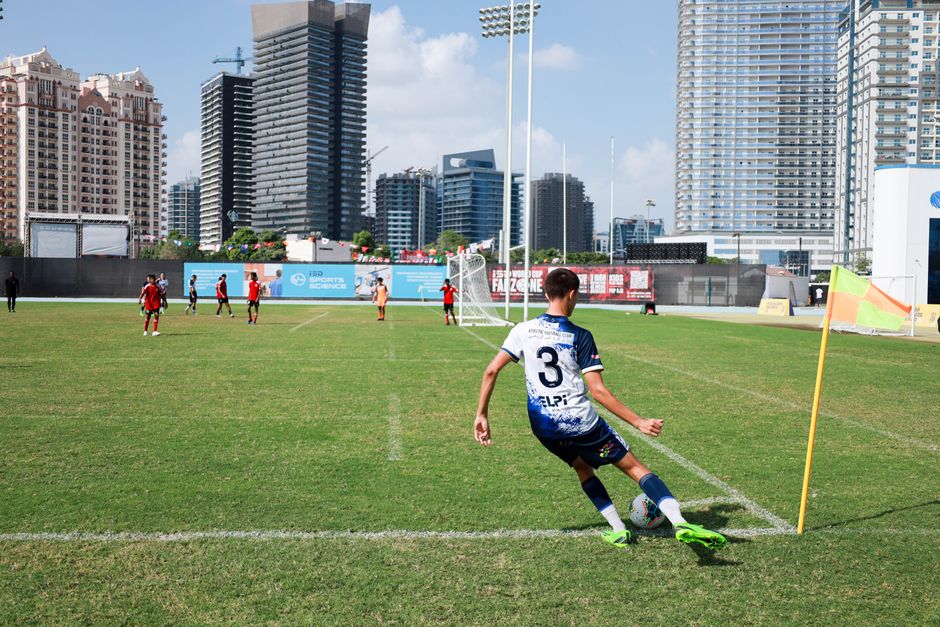
Walk through Al Manara on any Friday evening and you'll encounter a phenomenon that captures the essence of Dubai's evolving sporting culture: dozens of young players flooding the grounds of local football clubs, their parents settling into makeshift stands, conversation flowing as freely as the floodlights brighten the pitch.
This scene, replicated across neighbourhoods from Jumeirah to Dubai Sports City, reflects a quiet revolution in how the emirate's sporting infrastructure is serving communities. While international venues like the Rashid Stadium continue to dominate headlines, it's the neighbourhood clubs that are genuinely reshaping social fabric.
The Al Wasl Club, stationed in its historic location near the Dubai Museum, exemplifies this transformation. Once primarily known for hosting professional matches, the facility now runs youth academies that serve over 800 children annually, with membership fees kept deliberately accessible at approximately 2,500 AED per season. The club's community director confirmed that 60 per cent of their young members come from working-class neighbourhoods across Dubai's interior, from Bur Dubai to International City.
Similar success stories emerge from the Baniyas Club and Emirates Club, both of which have expanded their grass courts and multipurpose grounds to accommodate evening training sessions for local teenagers. These venues have become gathering points—not just for aspiring athletes, but for entire families seeking affordable recreational spaces in an increasingly expensive city.
What makes these clubs particularly significant is their focus on accessibility. Concessional rates for residents of labour accommodations, free-to-play drop-in sessions on weekends, and partnerships with schools in less affluent areas have democratized sport in ways that exclusive private facilities never could.
The data supports this expansion. According to the Dubai Sports Council, grassroots participation in organized club activities increased by 34 per cent over the past three years, with football and cricket dominating engagement. What's more revealing is the demographic shift: participation from low-to-middle income households has nearly doubled.
Beyond competition, these venues serve crucial social functions. They've become safe spaces where expatriate communities maintain cultural connections through sport, where marginalized youth find mentorship, and where neighbourhoods absent formal gathering spaces create their own. Several clubs now host community forums, health workshops, and even informal Arabic language classes—using sport as the doorway to deeper social integration.
As Dubai continues its rapid expansion, these local clubs remind us that sustainable community development isn't only measured by stadium capacities or international tournaments. It's measured by a teenager choosing the neighbourhood pitch over the streets, by a parent finding fellowship among familiar faces, by sport becoming genuinely woven into the fabric of how people live.
This article was compiled by AI from the sources linked above and screened before publishing. See our editorial standards.