Dubai's recreational sports ecosystem is experiencing remarkable growth, with participation numbers in amateur leagues climbing steadily across the past three years. Data compiled from major sports facilities and club networks reveals a fundamental shift in how residents—both expatriate and Emirati—are engaging with fitness and team sports.
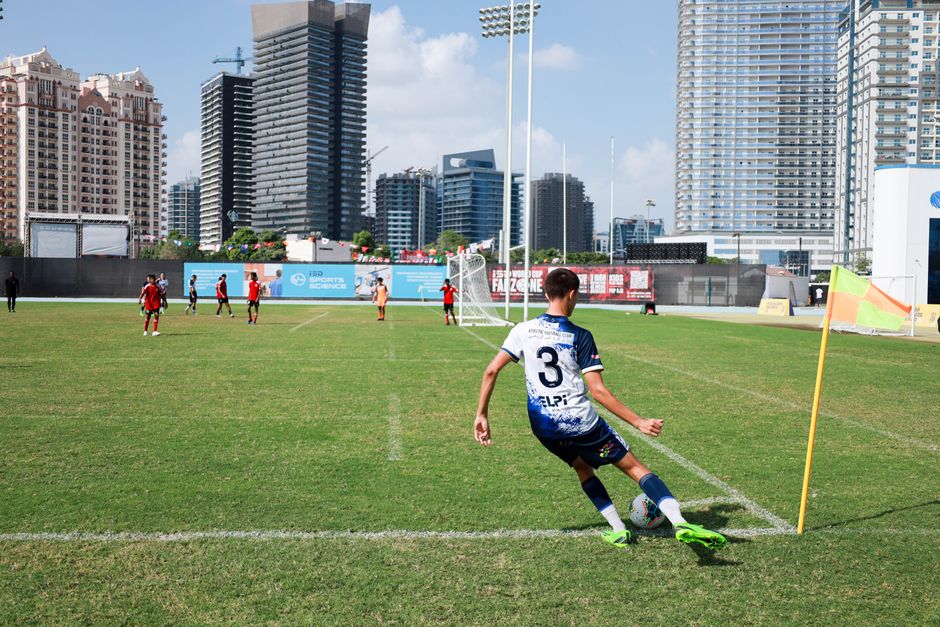
Football leagues remain the undisputed heavyweight. The Dubai Amateur Football League, which operates primarily across Mina Seyahi, Al Wasl, and Zabeel Park, now boasts over 180 registered teams competing in various divisions—up 34% from 2024. Similarly, cricket clubs from Deira to Arabian Ranches report waiting lists for membership, with participation particularly strong among South Asian and local communities. The Emirates Cricket Board's recreational division has documented nearly 40,000 active amateur players across the emirate, a figure that underscores the sport's cultural prominence.
Basketball and volleyball have emerged as unexpected growth sectors. Indoor facilities along Sheikh Zayed Road and in Downtown Dubai report booking rates exceeding 85% during peak evening hours. Recreational mixed-gender volleyball leagues, once niche offerings, now operate across multiple venues with participation from corporate teams and independent clubs alike. Entry fees typically range from AED 800 to AED 1,500 per season per player—accessible to middle-income participants while generating sustainable club revenues.
What's particularly telling is the demographic diversity. While expatriate participation remains robust, an increasing share of young Emirati nationals are joining structured amateur leagues, suggesting that recreational sport is transcending traditional social patterns. Women's participation has also shifted noticeably; women now comprise roughly 28% of participants across most mainstream amateur leagues, compared to approximately 18% five years ago.
The data also highlights geographic inclusivity. While northern areas like Deira and Bur Dubai have long-established club cultures, newer neighborhoods like Dubai Sports City and Arabian Ranches are rapidly developing their own league structures. This distribution suggests that as the city expands, recreational infrastructure is scaling alongside residential growth.
However, challenges persist. Facility availability during summer months remains constrained, and participation among lower-income communities—including domestic workers—remains limited, primarily due to cost and access barriers. Several NGOs and sports development organizations are working to address this gap through subsidized programs.
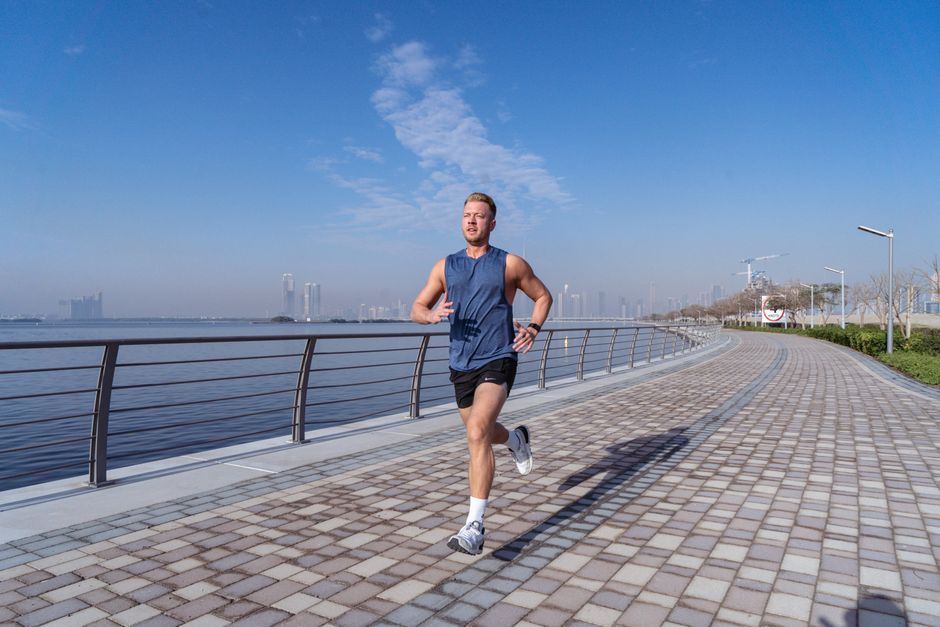
What emerges from the participation data is clear: Dubai's fitness culture is maturing. The emirate is transitioning from a city obsessed with elite sporting spectacles to one where grassroots, amateur sport is becoming embedded in daily life. That shift speaks volumes about our evolving priorities and sense of community.
This article was compiled by AI from the sources linked above and screened before publishing. See our editorial standards.