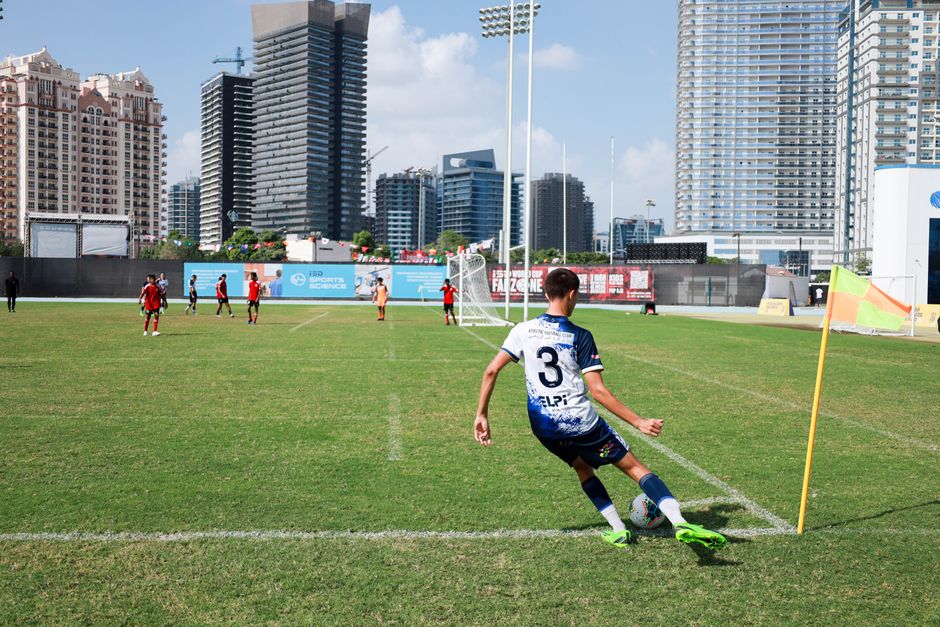
On any given evening across Dubai's residential neighbourhoods, the sound of footballs striking boots echoes across makeshift pitches that tell a different story than the glittering stadiums of the UAE Pro League. These grassroots spaces—from the community grounds near Al Manara Park to the developing facilities in Nad Al Sheba—represent the true foundation of the emirate's football future.
The transformation has been quiet but significant. Over the past three years, community football programmes operating through neighbourhood sports clubs have expanded participation rates by nearly 40 per cent among children aged 6-14, according to data from the Dubai Sports Council. What began as informal weekend matches between friends has evolved into structured leagues, coaching academies and talent identification systems that rival many formal club structures.
"The accessibility is what makes the difference," explains the community development sector, where grassroots coordinators emphasise that participation fees averaging 150-300 AED per season keep the sport open to families across socioeconomic backgrounds. This contrasts sharply with elite academy programmes costing upwards of 3,000 AED annually, creating genuine pathways for talented players regardless of family circumstances.
The movement has particular resonance in neighbourhoods like International City and Mirdif, where immigrant communities have infused the local football culture with diverse playing styles and mentorship approaches. Community centres such as those managed through the Municipality's neighbourhood development initiatives now host twice-weekly training sessions, drawing consistent attendance of 150-200 young players per location.
What distinguishes Dubai's grassroots revolution is its infrastructure integration. Unlike ad-hoc community sport in other cities, these programmes operate with municipal support, basic but functional floodlit pitches, and volunteer coaching networks supplemented by certified professionals. The Dubai Football Association's community liaison team has registered over 2,800 grassroots players across 34 neighbourhood clusters, creating a transparent talent pipeline.
The impact extends beyond statistics. Young players developing through these community systems demonstrate notably higher retention rates—approximately 65 per cent continue playing into their teenage years, compared to earlier figures of 35 per cent. This suggests that accessible, community-embedded football creates genuine long-term engagement rather than transactional participation.
As professional clubs face increasing scrutiny over homegrown talent development, these neighbourhood pitches quietly perform the harder work: building character, fitness and passion for the game without commercial pressure. They represent football's most democratic version, where every child gets a chance to kick a ball under the Arabian sky, regardless of background or family connections.
This article was compiled by AI from the sources linked above and screened before publishing. See our editorial standards.