While Dubai's glittering international stadiums host global spectacles, a quieter revolution is unfolding in the city's residential neighbourhoods. Local sports clubs—many operating from modest facilities along Sheikh Zayed Road's quieter offshoots and in converted warehouses near the Creek—are becoming genuine community anchors, drawing hundreds of members monthly and reshaping how residents connect with sport.
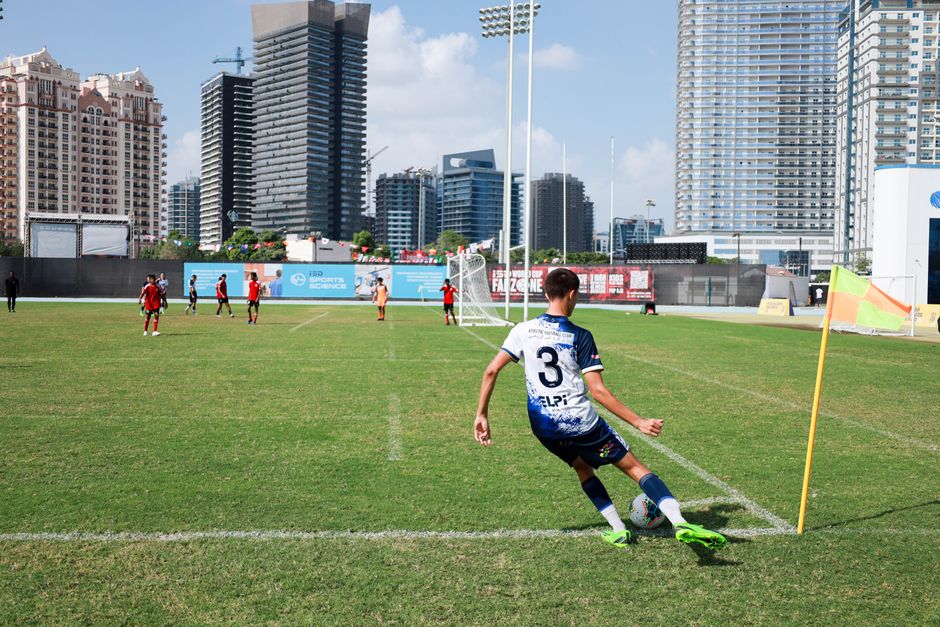
In Karama, where densely packed apartment blocks house thousands of migrant workers and young families, three football clubs now operate structured leagues with over 400 registered players across age groups. The Karama Sports Club, operating since 2008 from a compact ground near Al Manara Street, charges membership fees between AED 300–600 annually—a figure that has remained stable for three years. This affordability matters: unlike the five-star facilities in Downtown or Dubai Marina, these clubs serve residents who form the genuine backbone of the emirate's workforce.
The ripple effects extend beyond kickoff times. Al Baraha's newly refurbished cricket pavilion, upgraded last October with community funding and corporate sponsorship, now hosts not just matches but evening coaching clinics for schoolchildren, social gatherings, and interfaith sporting events. The venue reports 65% growth in female membership since introducing women-only training sessions in early 2025.
Youth welfare organisations recognise this potential. The Dubai Sports Council's Community Club Initiative, launched in 2024, has allocated AED 8.2 million to grassroots infrastructure across ten neighbourhoods. Bur Dubai's historic Al Khayma Sports Club, operating since 1985, recently received funding to renovate its basketball courts—facilities now booked six days weekly by school groups, senior leagues, and summer camps.
What distinguishes these clubs isn't flashy architecture; it's accessibility and cultural integration. Unlike premium facilities requiring membership packages exceeding AED 2,000 monthly, local clubs operate on subscriptions typically under AED 50 per month for casual participation. More significantly, they've become informal integration hubs where expat families, Emirati youth, and long-term residents build genuine social networks—something standardised stadium experiences rarely facilitate.
These venues also generate local employment. A modest estimate suggests the fifteen established neighbourhood clubs collectively employ roughly 120 part-time coaches, administrators, and maintenance staff—modest figures but meaningful within their communities.
As Dubai continues attracting mega-events, these unglamorous grounds remind us that sport's deepest impact often happens away from the headlines. The real championship isn't won on globally televised fields—it's built incrementally through the daily interactions, friendships, and civic pride fostered when neighbours simply play together.
This article was compiled by AI from the sources linked above and screened before publishing. See our editorial standards.