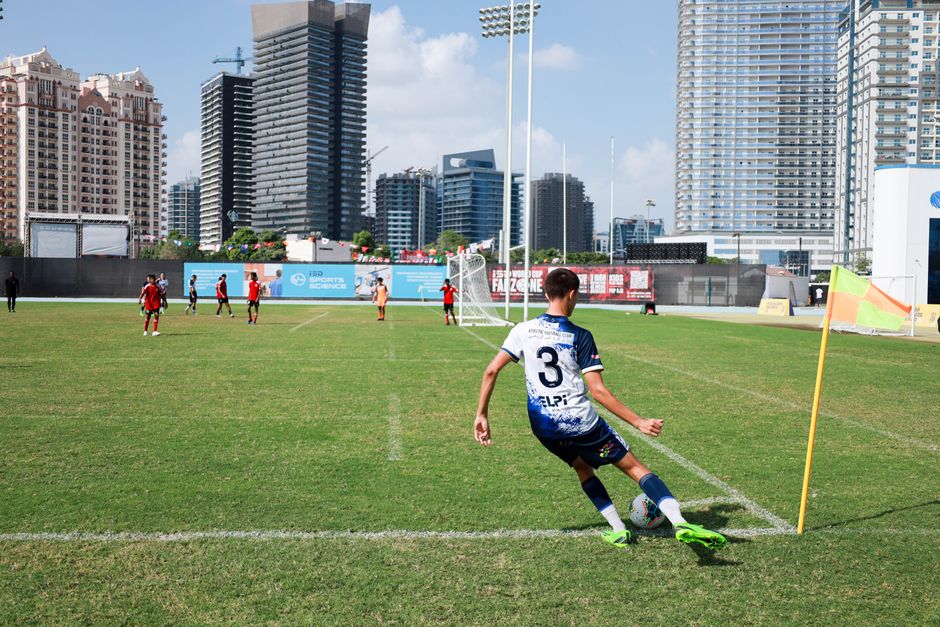
Walk through the tree-lined avenues of Al Wasl on any weekday evening, and you'll encounter a transformation that's quietly reshaping Dubai's sporting landscape. Here, amid the residential towers and family-oriented communities, grassroots football clubs, swimming academies, and badminton centres are flourishing at a pace that's catching even seasoned observers by surprise.
The surge reflects a broader shift in how Dubai nurtures young talent. Rather than relying solely on elite training facilities in downtown zones, neighbourhood clubs in areas like Jumeirah, Arabian Ranches, and Al Manara are becoming the primary pipelines for athletic development. These clubs now operate on a model that combines affordability with accessibility—crucial factors in building sustainable communities.
Data from the Dubai Sports Council reveals that grassroots club memberships across the emirate have grown by approximately 34 per cent over the past three years, with youth participation (ages 5-16) accounting for the majority of new registrations. Monthly membership fees at most neighbourhood clubs range from AED 250 to AED 800, making them substantially more accessible than private academies charging upwards of AED 2,500 monthly.
What's driving this expansion? Club administrators point to three factors: improved infrastructure investment, community demand following the UAE's 2026 World Cup qualification, and a deliberate shift by parents toward embedding sport into neighbourhood life rather than shuttling children across the city.
"The philosophy has changed," explains one Al Wasl-based programme coordinator. "Parents want their children developing athletically within their communities, where friendships extend beyond the pitch." Most clubs now run complementary programmes—from homework support to mentorship initiatives—transforming them into genuine community anchors.
Venues like the Al Manara Sports Complex and facilities along the Jumeirah beachfront have undergone significant upgrades, with improved courts, training fields, and changing facilities. The investment reflects recognition that competitive sport development begins locally, not in downtown stadiums.
The impact extends beyond athletics. These clubs function as social integrators in an increasingly transient city. Families relocating to Dubai frequently cite proximity to active youth clubs as a factor in neighbourhood selection. Local schools have formed formal partnerships with clubs, creating clear development pathways for identified talent.
As Dubai hosts international tournaments and maintains its position as a global sports hub, the story of sustained athletic excellence increasingly runs through these neighbourhood institutions rather than elite academies alone. The grassroots clubs aren't merely supplementary—they've become foundational to how the emirate develops its next generation of competitors.
This article was compiled by AI from the sources linked above and screened before publishing. See our editorial standards.