From Al Manara to Al Baraha: How Dubai's Grassroots Clubs Built a Community Sport Movement
Behind the emirate's glittering sports infrastructure lies a quieter revolution—neighbourhood-based youth programmes turning the tide on elite-only athletics.
Behind the emirate's glittering sports infrastructure lies a quieter revolution—neighbourhood-based youth programmes turning the tide on elite-only athletics.

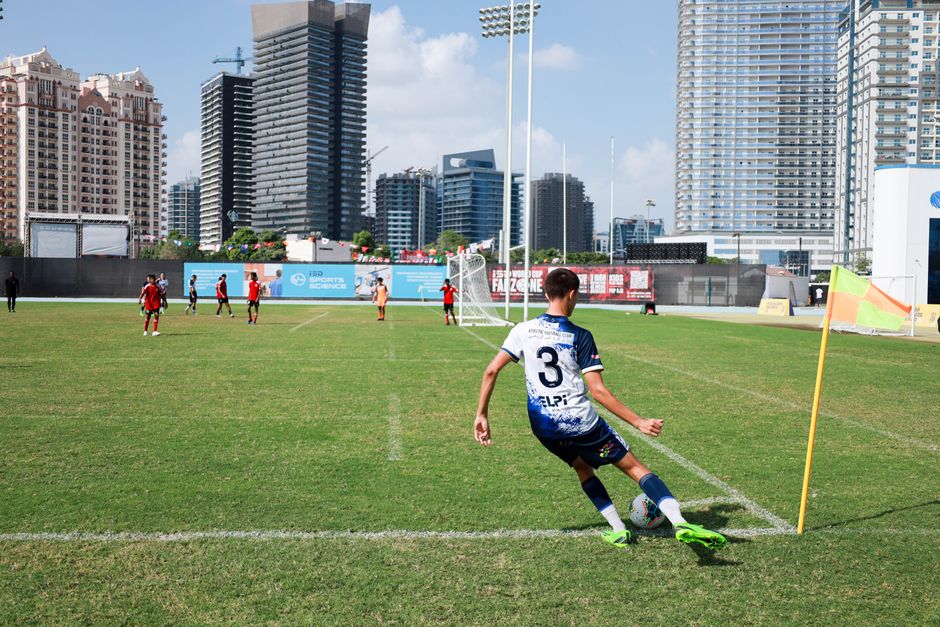
Walk through Al Manara on a Tuesday evening and you'll find them: dozens of teenagers in mismatched kits chasing a football across dusty pitches that have seen better days. These aren't academy players with seven-figure sponsorships. They're the backbone of Dubai's emerging grassroots sport movement—a decentralised network of community clubs reshaping how the emirate develops its next generation of athletes.
For decades, youth sport in Dubai centred on elite institutions: prestigious private academies in Arabian Ranches, international schools in Jumeirah, and corporate-backed clubs in The Marina. Entry barriers were steep, financially and socially. But over the past five years, a grassroots shift has taken hold. Community-led initiatives now operate across Al Baraha, Deira, and Satwa, deliberately targeting underserved neighbourhoods where cost—not talent—had always determined opportunity.
The numbers tell the story. In 2023, Dubai recorded approximately 47,000 youth participants in structured grassroots sports programmes, up from just 12,000 in 2019. Membership fees at community clubs average 300–500 AED per season, compared to 3,000–8,000 AED at premium academies. This accessibility has transformed the demographic makeup of emerging talent pools.
Organisations like Deira Youth Sports Alliance and the Al Baraha Community Sports Foundation now operate 23 active youth programmes across football, volleyball, handball, and athletics. Equipment is often secondhand. Pitches lack pristine drainage. Coaching credentials vary. Yet something else is present: genuine community investment. Parent volunteers manage finances. Local shopkeepers sponsor uniforms. Neighbourhood associations donate space.
This model has caught official attention. The Dubai Sports Council recently allocated 8.2 million AED toward grassroots development grants, explicitly targeting clubs operating in Bur Dubai, Al Khawaneej, and Ras Al Khor—areas historically marginalised in elite sport infrastructure planning. The strategy recognises what grassroots organisers discovered organically: talent distribution isn't concentrated in wealthy postcodes.
The challenges remain real. Training facilities often lack basic amenities. Coaching standardisation across clubs is inconsistent. Pathways to professional development can feel opaque. Yet the movement's resilience speaks volumes. Every week, hundreds of young Emiratis and residents—many whose families lack generational sport engagement—discover they belong on the pitch.
Dubai's sport future won't be written by expensive facilities alone. It's being written here, in neighbourhoods most driving past never notice, where kids who previously had no seat at the table are finally playing the game.
This article was compiled by AI from the sources linked above and screened before publishing. See our editorial standards.
How does this story make you feel?
Spread the word
About this article
Published by The Daily Dubai
Daily brief
Free, in your inbox before 7am. Weekdays.
More in Sport