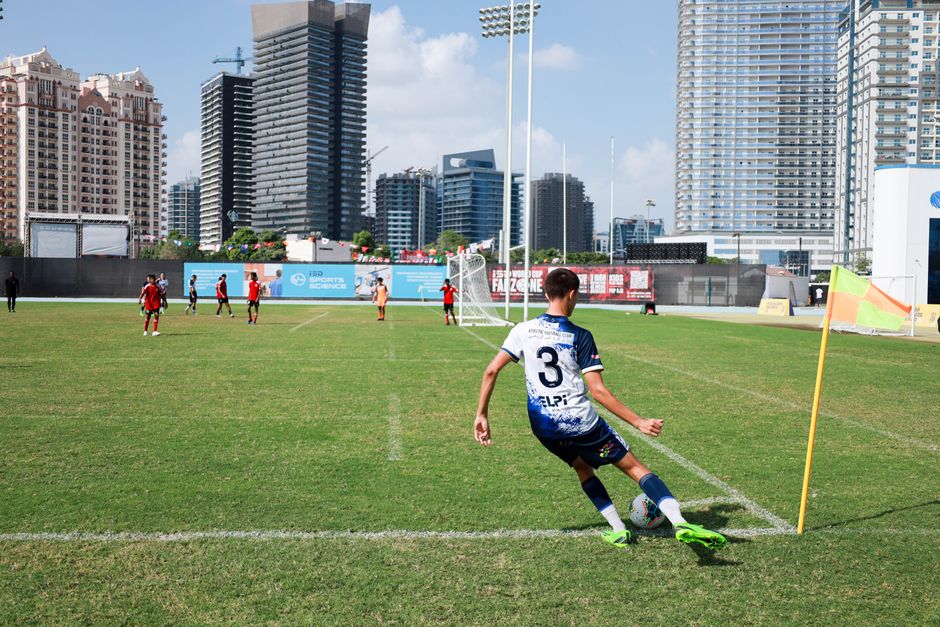
Walk past the Al Wasl Sports Club on Al Wasl Road any Friday afternoon and you'll witness something that extends far beyond 90 minutes of football. Dozens of families from Jumeirah and the surrounding residential areas gather not just to watch matches, but to participate in a growing ecosystem of youth academies, women's leagues, and community engagement programmes that have transformed local clubs into neighbourhood anchors.
Dubai's football renaissance at the grassroots level reflects a deliberate shift by local sporting bodies to democratise the beautiful game. Al Ahli Club, historically one of the UAE's most storied institutions, has expanded its academy network to include satellite training grounds in Deira and Bur Dubai, making quality coaching accessible to younger players across different income brackets. The club's recent investment in community outreach—including free trial sessions on weekends—has seen participation numbers climb by approximately 40 per cent over the past two years.
But the real transformation is happening in neighbourhoods like Al Safa and Manara, where smaller, independent clubs are carving out their own identities. These organisations operate with lean budgets yet maximise community impact through innovative programming. Women's football initiatives, once niche, now attract participants from across generational lines. Weekend tournaments at Safa Park have become social events, drawing hundreds of spectators and creating informal networks that extend into schools and workplaces.
The economic ripple effects matter too. Local clubs generate employment—coaching staff, groundskeepers, administrative personnel—while driving ancillary spending in neighbourhood cafés and sports retailers along streets like Jumeirah Road. Youth academy fees remain reasonably priced, typically ranging from AED 1,200 to 3,500 annually, positioning football as accessible rather than exclusive.
Perhaps most significantly, these clubs serve as cultural bridges in a city where expatriate communities comprise the majority. Football transcends language barriers. An under-12 team training on a Tuesday evening in Jumeirah might include children from twelve different nationalities, each united by the sport and by proximity to their neighbourhood club.
As Dubai continues its urban expansion, the role of grassroots football clubs becomes increasingly important—not as mere sporting venues, but as genuine community institutions fostering social cohesion, physical wellbeing, and local identity. In a city often characterised by rapid change, these clubs offer something increasingly precious: stability, belonging, and the simple joy of a beautiful game played among neighbours.
This article was compiled by AI and screened before publishing. See our editorial standards.