Dubai's Football Revolution: How World-Class Venues Are Elevating the Beautiful Game
From state-of-the-art training grounds to tournament-ready stadiums, the emirate's sporting infrastructure is reshaping local football ambitions.
From state-of-the-art training grounds to tournament-ready stadiums, the emirate's sporting infrastructure is reshaping local football ambitions.
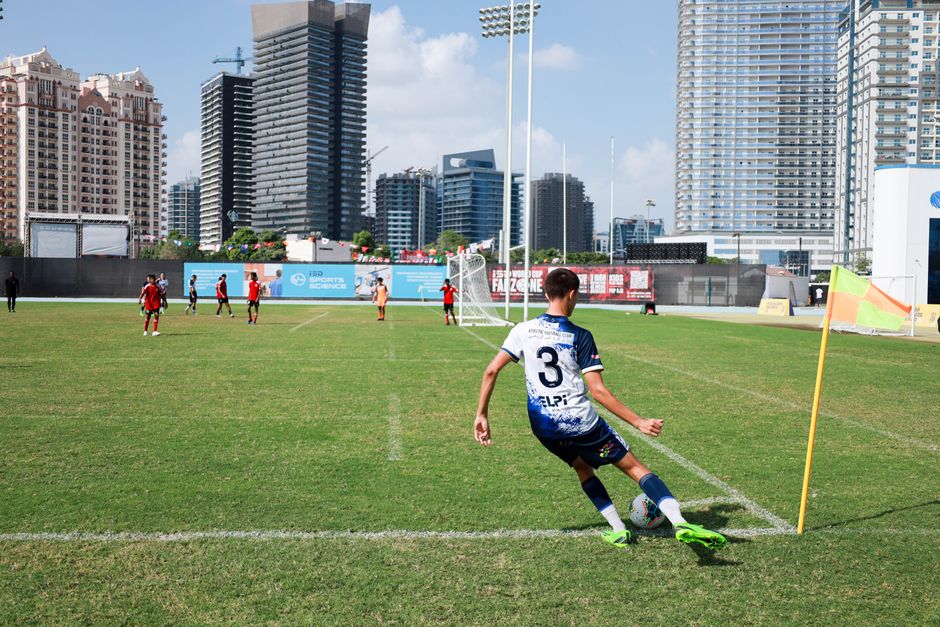
Dubai's transformation into a global football powerhouse isn't accidental. Over the past five years, the emirate has invested heavily in facilities that rival Europe's elite academies, fundamentally shifting what's possible for local clubs and emerging talent.
The Mohammed Bin Rashid Sports City in Nadd Al Sheba stands as the crown jewel of this infrastructure boom. Home to Al Ahli Club's training complex and multiple FIFA-standard pitches, the sprawling 500-hectare facility hosts everything from youth development programmes to international tournaments. The venues here operate year-round, with advanced irrigation systems and climate-controlled training domes ensuring optimal conditions even during Dubai's scorching summer months.
Meanwhile, Rashid Stadium in Ras Bukhteen continues its role as a flagship venue for major matches, recently undergoing upgrades that brought seating capacity to approximately 25,000 and modernised its hospitality suites. The ground has become synonymous with high-stakes UAE Pro League fixtures and serves as the training headquarters for several local clubs seeking Champions League qualification.
What distinguishes Dubai's approach is the ecosystem surrounding match venues. The Al Wasl Football Club's home ground in Al Wasl district, renovated in 2021, integrates cutting-edge medical facilities and data analytics centres alongside traditional amenities. Clubs can now access real-time performance metrics, injury prevention protocols, and nutritional guidance—services once reserved for European powerhouses.
Youth development has equally benefited. The Dubai Sports Council-backed academies scattered across neighbourhoods like Dubai Sports City, Jebel Ali, and Arabian Ranches offer structured pathways for young players. Monthly fees range from approximately AED 1,500 to AED 4,500 depending on facility tier, with many offering scholarship opportunities for promising talent identified through annual scouting drives.
The broader economic impact is tangible. Stadium construction and renovation projects have injected billions into Dubai's economy, while the facilities attract international touring teams and competitions—generating tourism revenue and raising the emirate's sporting profile.
Yet challenges remain. Sustaining these facilities requires ongoing investment, and ensuring equitable access across socioeconomic groups demands attention. Some community advocates argue that premium pricing at certain venues limits grassroots participation, despite the council's scholarship initiatives.
Nevertheless, the trajectory is clear: Dubai's football infrastructure now competes globally. As the emirate continues modernising pitches, academies, and match-day experiences, local players increasingly train at standards comparable to their international peers—a shift that promises to reshape UAE football for years to come.
This article was compiled by AI from the sources linked above and screened before publishing. See our editorial standards.
How does this story make you feel?
Spread the word
About this article
Published by The Daily Dubai
Daily brief
Free, in your inbox before 7am. Weekdays.
More in Sport