Dubai's endurance sport ecosystem has matured dramatically over the past five years, with strategic infrastructure investments positioning the emirate as a genuine hub for runners, cyclists and triathletes seeking elite-standard facilities.
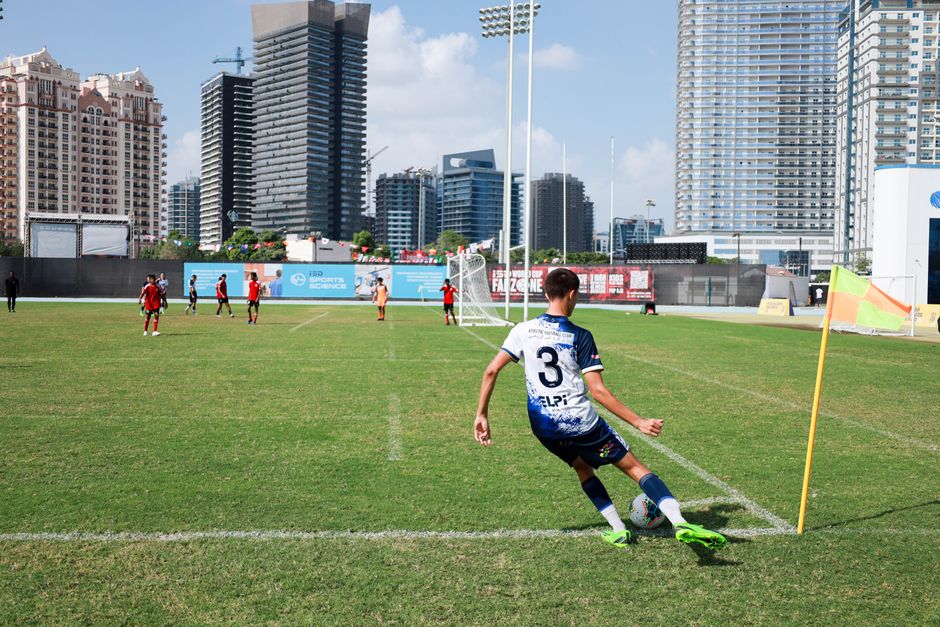
The Dubai Creek Harbour Running Track, located in the master-planned waterfront community near Al Khawaneej, represents the gold standard locally. The 400-metre synthetic track accommodates competitive training at international standards, with floodlighting enabling evening sessions during the scorching summer months. Membership costs range from AED 2,500 to 4,500 annually, significantly undercutting comparable facilities in Europe and North America.
Cycling infrastructure has expanded beyond Dubai's iconic beachfront promenades. The Mushrif National Park cycling trails, spanning 45 kilometres through desert terrain east of Jebel Ali, offer varied elevation and surface conditions. Meanwhile, the Dubai Autodrome's dedicated cycling park on Al Khawaneej Road provides controlled environments for track cycling and BMX disciplines, hosting regular competitive events and coaching programmes.
For triathletes, the combination of protected lagoons and purpose-built transition zones has been transformative. The Jebel Ali Marine Sanctuary offers calm, monitored water training grounds, while the upcoming Ras Al Khor wetlands recreational development promises enhanced swimming facilities by early 2027. The Arabian Gulf's cooler winter temperatures—averaging 24°C from November through March—now position Dubai competitively against Mediterranean training destinations.
The Nad Al Sheba Sports Complex remains central to endurance sport coordination. Its 5-kilometre running loop, recently resurfaced with shock-absorbing material, accommodates both recreational joggers and professional athletes. Annual memberships start at AED 1,200, with day passes available at AED 50.
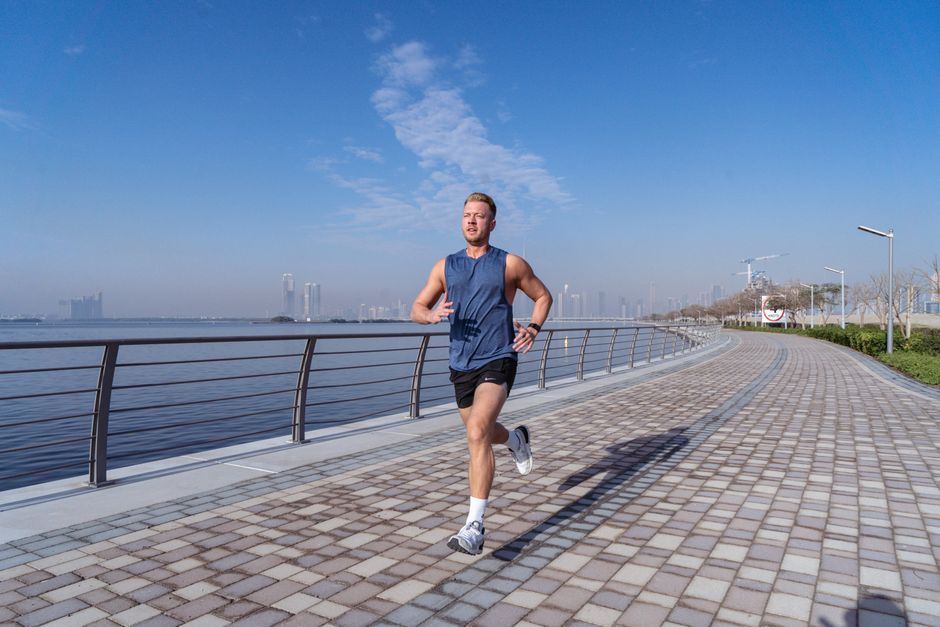
Infrastructure investment reflects changing demographics. Participation in Dubai's organized running events—including the annual Dubai Marathon—has grown 34 per cent since 2022, with triathlon club membership increasing similarly. Local organizations now coordinate training groups across three dedicated running tracks, seven cycling zones and five monitored swimming areas.
The emirate's commitment extends to accessibility. Female-only training sessions operate at Nad Al Sheba and Mushrif, addressing cultural preferences, while humidity-controlled indoor cycling studios have proliferated across Business Bay and Downtown, offering climate-controlled alternatives during summer peaks.
Looking ahead, Dubai's endurance infrastructure continues evolving. The planned Mohammed Bin Rashid Sports City expansion will introduce additional aquatic facilities and a climate-controlled velodrome by 2028, cementing Dubai's position as a genuine competitor to established European and North American endurance sport destinations.
This article was compiled by AI from the sources linked above and screened before publishing. See our editorial standards.