Dubai's fitness landscape has undergone a dramatic transformation over the past five years, driven by a surge in investment in premium gym infrastructure across the emirate. Today, the city hosts over 300 registered fitness facilities, with monthly memberships ranging from AED 150 at community centres to AED 2,500 at ultra-premium private clubs, reflecting the diversity of Dubai's training ecosystem.
The Marina district remains the epicentre of luxury fitness culture, where sprawling facilities spanning 50,000 square metres offer everything from Olympic-standard swimming pools to CrossFit boxes and recovery suites equipped with cryotherapy chambers. These venues have become magnets for international athletes and expat professionals, with some clubs reporting membership waiting lists extending to six months during peak seasons.
Beyond the glittering towers of Dubai Marina, however, a parallel infrastructure boom is reshaping neighbourhoods like Al Wasl, Jumeirah and Deira. Purpose-built community sports complexes, funded through Dubai Municipality initiatives, now provide affordable access to modern training amenities. The Al Wasl Sports Hub, which opened in 2024, features eight dedicated training halls, an Olympic-size aquatic centre, and subsidised memberships starting at AED 99 monthly for residents.
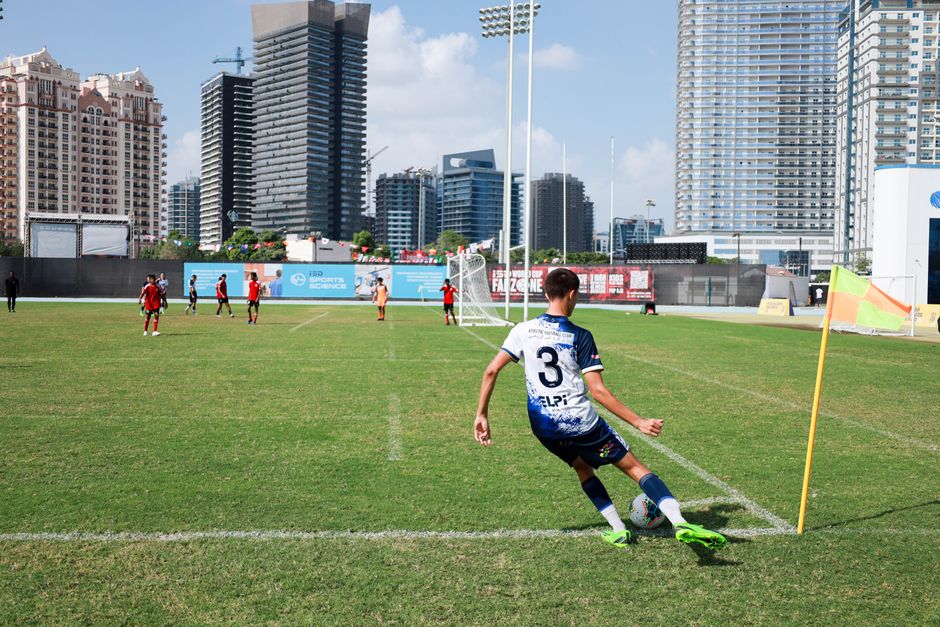
The trend reflects broader Dubai demographic shifts. Sports participation among UAE nationals has increased by 34 per cent since 2020, according to data from the Dubai Sports Council, driving demand for accessible, high-quality venues. Specialist facilities catering to niche disciplines—rock climbing walls in Business Bay, paddle tennis courts in Arabian Ranches, and dedicated functional training zones in JBR—have proliferated to meet this appetite.
Technology integration is accelerating the sector's evolution. Membership apps now connect members across multiple facilities, AI-powered equipment tracks performance metrics in real-time, and virtual coaching sessions link local trainers with members across the Gulf region. Several flagship gyms have invested in regenerative medicine services, including IV drips and biohacking consultations, positioning Dubai as a wellness destination competing with global centres like Los Angeles and London.
Industry experts credit Dubai's strategic positioning as a global transit hub for this growth trajectory. The city's ability to attract international fitness franchises, coupled with strong disposable incomes and a health-conscious expat population, has created an unusually dense and competitive market. Premium chains like F45, Barry's Bootcamp, and Equinox now operate multiple locations across the emirate, while homegrown brands continue expanding regionally.
As Dubai sports infrastructure continues evolving, the challenge ahead lies in maintaining equitable access across income brackets while sustaining the innovation that has positioned the city as the Middle East's fitness capital.
This article was compiled by AI from the sources linked above and screened before publishing. See our editorial standards.