Dubai's transformation into a destination for endurance athletes extends far beyond the glamorous façade of its iconic skyline. Behind the scenes, a sophisticated network of running routes, cycling infrastructure and triathlon-specific venues has quietly emerged over the past five years, fundamentally reshaping how serious competitors train and compete locally.
The Al Marmoom Desert Conservation Reserve, located roughly 40 kilometres south-east of Downtown Dubai, has become the epicentre of the cycling community. This 40-square-kilometre facility features dedicated cycling lanes and rolling terrain that mimics competition conditions, attracting cyclists preparing for regional and international events. Entry fees remain accessible at around AED 50 per session, making it viable for committed amateurs.
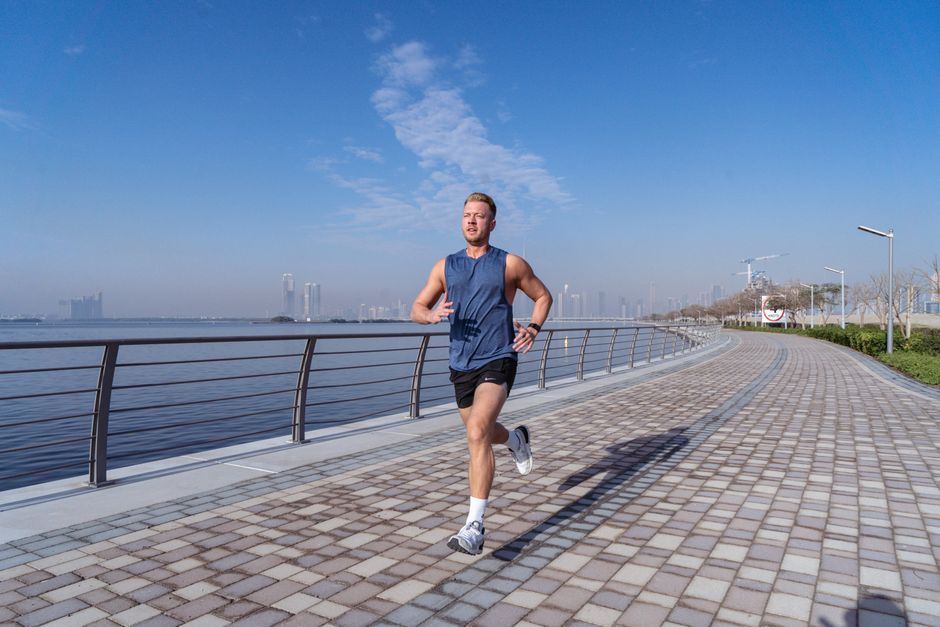
Running infrastructure has benefited equally from strategic investment. The Jumeirah Beach Residence running track and the newly expanded promenade along Al Wasl Road now accommodate thousands of daily runners, while the Hatta Dam area offers trail running opportunities that draw ultramarathon enthusiasts seeking elevation change—a rarity in Dubai's predominantly flat landscape.
For triathletes, the Al Mina district and Umm Suqeim Beach provide natural aquatic training zones complemented by transition facilities. The Dubai Autodrome in Nad Al Sheba, traditionally known for motorsports, has increasingly hosted triathlon events and provides structured training programmes through affiliated coaching organisations.
What distinguishes Dubai's approach is integration. Unlike cities where running, cycling and swimming communities operate in silos, local sports clubs have successfully created multi-discipline pathways. Monthly community races organised through groups like the Dubai Running Club and Emirates Cycling Club draw participation across all three disciplines, fostering cross-training culture.
Financial accessibility remains impressive by international standards. Annual membership at dedicated triathlon clubs ranges from AED 2,500 to AED 6,000, considerably lower than comparable facilities in London or Sydney. Public facilities are predominantly free—the Dubai Canal offers both running and cycling infrastructure at no cost to residents.
Climate presents the singular challenge. Temperatures reaching 45°C during summer months necessitate early-morning training schedules, which has paradoxically created a vibrant pre-dawn athletic culture. Indoor cycling studios and air-conditioned training facilities in Business Bay and Deira now operate extended midnight-to-dawn schedules to accommodate this demand.
The infrastructure investments signal serious intent. With the emirate hosting the Ironman 70.3 Middle East Championship annually and attracting regional cycling tours, Dubai has moved beyond aspirational messaging into genuine facility development. For endurance athletes, the city now offers what few Middle Eastern destinations provide: world-class infrastructure married to year-round competitive opportunities.
This article was compiled by AI from the sources linked above and screened before publishing. See our editorial standards.