Technology
Dubai's Green Energy Promise Meets Hard Truths: The Overlooked Costs of Our Sustainability Push
As the emirate races toward net-zero targets, experts warn that ambitious clean tech projects risk repeating old mistakes in worker welfare, resource extraction, and financial equity.
How we reported this
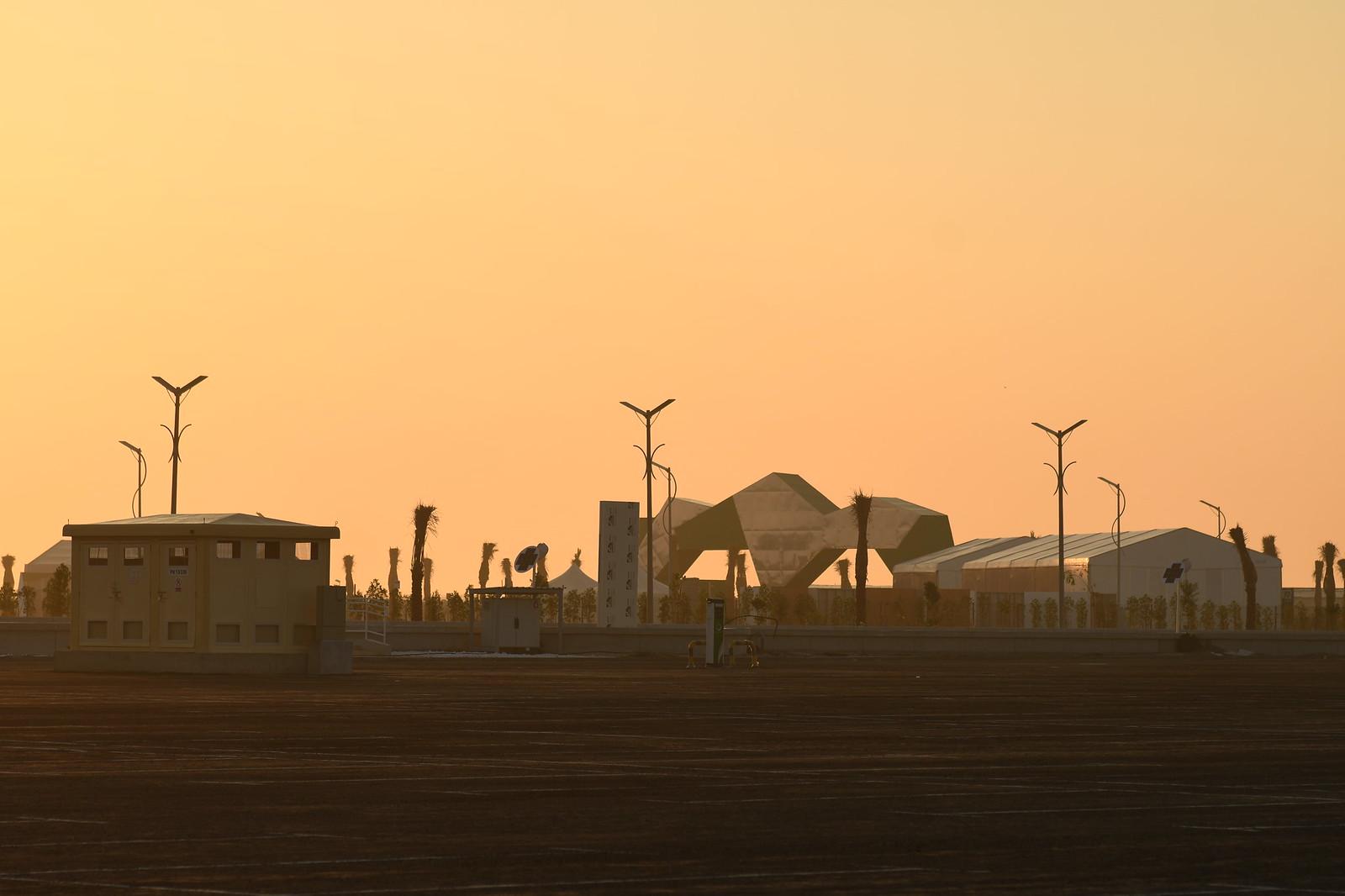
Drive past Masdar City's expanding solar installations or through the developments clustering around the Mohammed bin Rashid Al Maktoum Solar Park in Seih Al Dahal, and it's easy to be seduced by Dubai's green narrative. The emirate has committed to net-zero emissions by 2050, with solar capacity expected to reach 42,500 megawatts by 2050. Yet beneath the gleaming panels and corporate sustainability reports lies a more complicated story that even the most optimistic technologists struggle to ignore.
The ethical minefield begins with supply chains. Solar panels, lithium batteries, and rare-earth minerals-the foundation of our clean energy transition-are extracted and manufactured in conditions that frequently exploit workers in Southeast Asia, Africa, and Latin America. A 2024 International Labour Organization report documented wage theft and unsafe conditions in battery manufacturing facilities supplying major green tech projects across the Gulf. For a city built on migrant labour, this irony cuts deeper than most acknowledge.
Then there's the economic paradox. Dubai's aggressive renewable investments require enormous upfront capital. While the Dh24 billion Noor Energy 1 project in Al Khawaneej represents genuine innovation, the financial burden has historically been distributed unequally. Early-stage green infrastructure costs remain prohibitively high for small businesses and lower-income residents across Deira and Bur Dubai, effectively creating a two-tier sustainability system where wealth determines access to green benefits.
Water consumption presents another blind spot. Desalination powers much of Dubai's growth, yet renewable energy transitions often ignore that manufacturing solar panels and processing rare minerals consume staggering quantities of freshwater-resources already stretched thin across the UAE. The environmental cost of producing the technology meant to save us demands rigorous accounting.
More troubling is the performative risk. Dubai's reputation as a global sustainability leader attracts investment and talent, but also invites scrutiny. When a major green project encounters delays, cost overruns, or environmental complications-as they frequently do-it undermines public confidence in the entire transition. The stakes are higher here than in many cities because Dubai's brand equity depends on delivering on ambitious promises.
This isn't an argument against clean energy. Rather, it's a call for Dubai's tech and policy communities to mature beyond marketing narratives. Real sustainability requires interrogating worker protections in supply chains, designing equity into green infrastructure, accounting for hidden environmental costs, and building accountability mechanisms that match our public commitments.
The technology is genuinely promising. But promise unexamined becomes propaganda. Dubai deserves better than that.