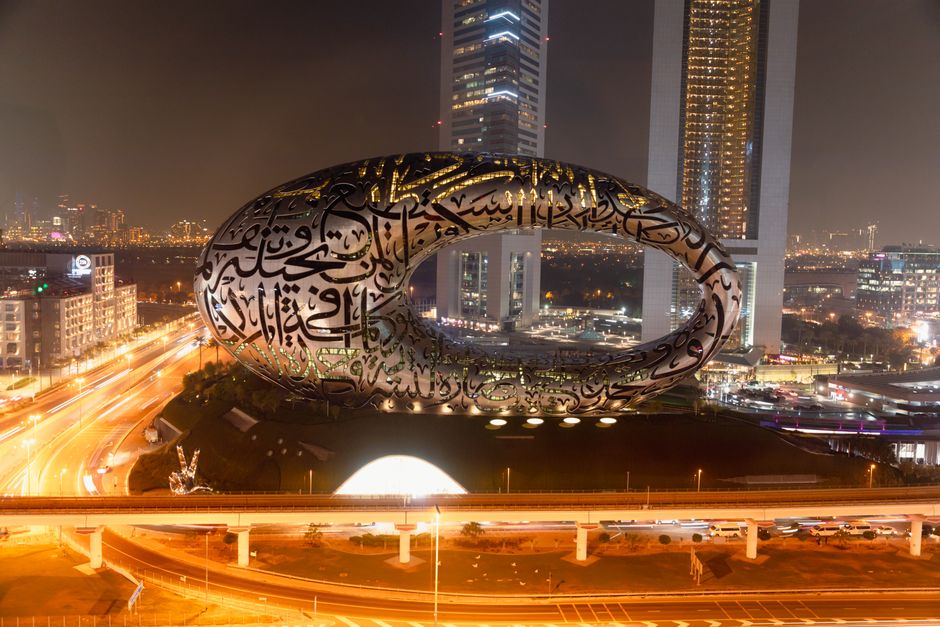
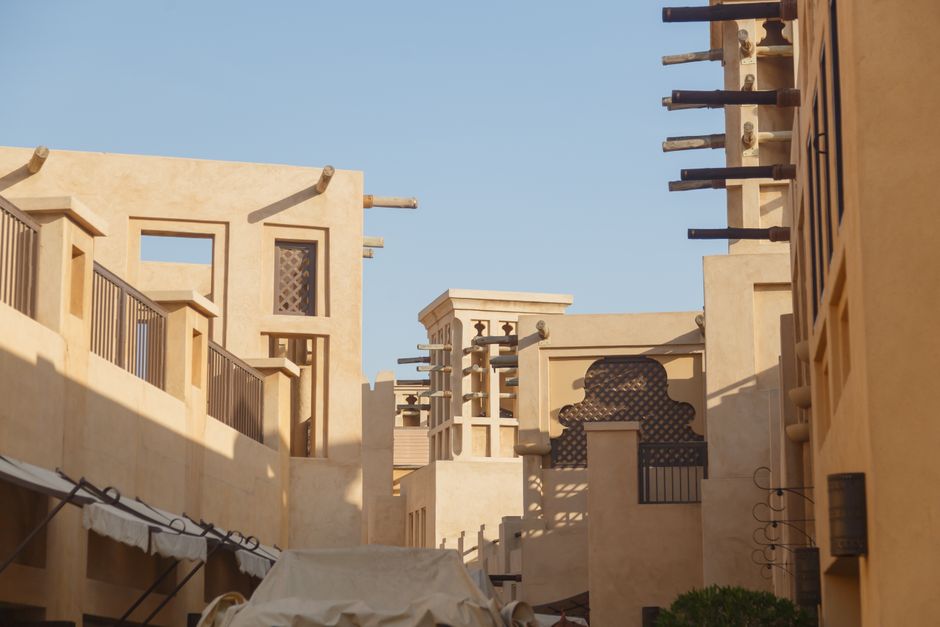
Walk through Dubai Silicon Oasis or the sprawling campuses near Emirates Science Council headquarters, and you'll notice something absent from Silicon Valley or London's tech quarters: an almost obsessive focus on solving the energy paradox of a desert megacity. This constraint, rather than handicapping Dubai's tech ecosystem, has become its defining competitive advantage in the global clean energy race.
Dubai's sustainability targets—achieving 75% clean energy capacity by 2050, with current investments exceeding $100 billion—have created an unusual entrepreneurial ecosystem. Unlike tech hubs built on incremental software improvements, Dubai's innovation pipeline is driven by existential necessity. The city's tech firms aren't debating whether renewable energy matters; they're engineering solutions for a region where summer temperatures exceed 50°C and traditional cooling consumes 70% of peak electricity demand.
The Mohammed bin Rashid Al Maktoum Solar Park in Jebel Ali exemplifies this distinction. The facility's expansion to 5,000 megawatts isn't merely an infrastructure project—it's become a living laboratory. Tech companies embedded within and around its operations have developed proprietary systems for predictive maintenance, energy storage optimization, and grid integration that are being exported globally. Several firms operating from Business Bay and DTEC (Dubai Technology Entrepreneur Campus) have secured licensing agreements across the Middle East, Africa, and Southeast Asia.
What makes Dubai's ecosystem globally distinctive is the convergence of three factors absent elsewhere. First, concentrated capital: government-backed venture funds and sovereign wealth deployment provide sustained investment in deep-tech cleantech—the unglamorous, capital-intensive research that typical venture firms avoid. Second, regulatory pragmatism: Dubai's ability to rapidly prototype and deploy new technologies, whether in hydrogen infrastructure trials or AI-powered energy management, outpaces bureaucratic approval processes in established innovation hubs. Third, geographic advantage as a trade corridor; technology developed here reaches three continents.
The numbers reflect this. Between 2020 and 2025, cleantech patents filed from Dubai more than doubled, while venture funding for local sustainability startups exceeded $800 million. Compare this to similar-sized cities globally: Dubai's cleantech innovation density—measured by patents per capita in the sector—ranks among the world's highest.
Yet the distinctive element isn't just ambition or funding. It's the intellectual migration pattern. Engineers and entrepreneurs from established tech hubs increasingly view Dubai as the place where clean energy innovation stops being theoretical. They're not here to build the next social app. They're here to build the infrastructure that determines whether 10 million people survive and thrive in a desert. That clarity of purpose has become rare—and remarkably profitable.
This article was compiled by AI from the sources linked above and screened before publishing. See our editorial standards.