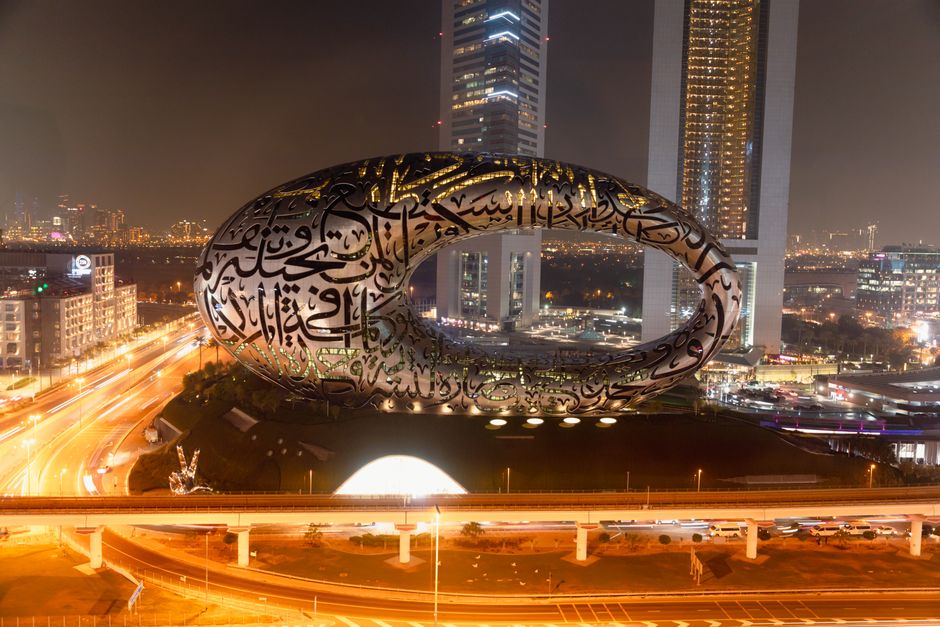
Dubai's Smart City Bet: How Billions in Tech Investment Are Reshaping Urban Governance
As venture capital and government funding flood into digital transformation projects, the emirate is positioning itself as the Middle East's govtech capital.
As venture capital and government funding flood into digital transformation projects, the emirate is positioning itself as the Middle East's govtech capital.
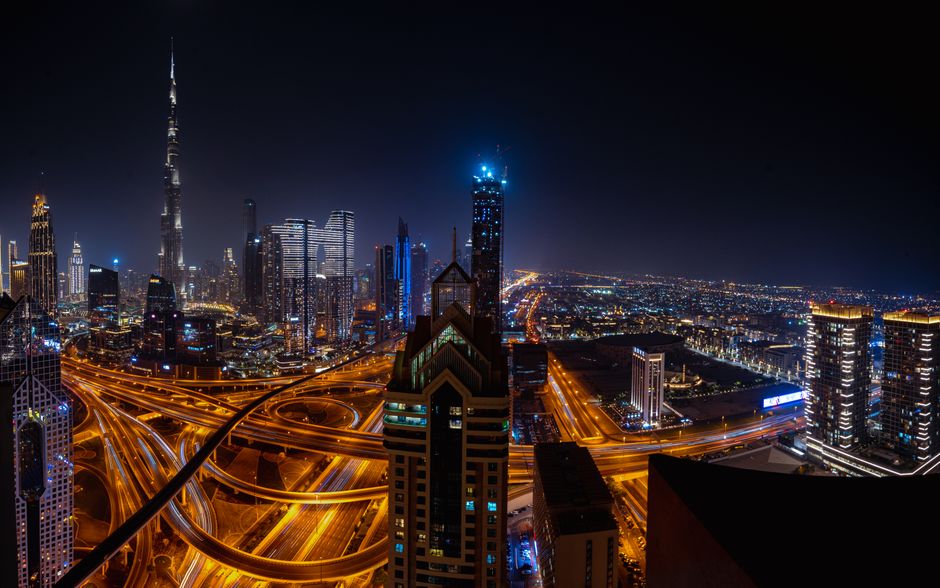
Dubai's smart city ambitions have shifted into overdrive, with investment in government technology and digital infrastructure nearly tripling since 2023. The trend reflects a broader regional pivot toward automating public services, reducing bureaucratic friction, and attracting tech talent—a strategy now underpinning the emirate's competitive edge in the global innovation economy.
The numbers tell a compelling story. Over the past three years, public and private funding for Dubai's digital transformation initiatives has exceeded $2.8 billion, according to analysis of announcements from the Smart Dubai office and investment trackers monitoring the Gulf tech sector. Major projects spanning everything from blockchain-based property registration to AI-powered traffic management have drawn capital from regional sovereign wealth funds, international venture firms, and local government budgets.
The Dubai Silicon Oasis and Dubai Internet City—those twin technology hubs straddling Sheikh Zayed Road—have emerged as epicentres for govtech startups. Firms like Whisk and others are building solutions for municipal waste management, permit processing, and citizen services. Meanwhile, the Roads and Transport Authority's investment in autonomous vehicle infrastructure has attracted millions from both local investors and international tech consortiums seeking Middle Eastern footholds.
But the real growth engine lies in enabling infrastructure. The Dubai Land Department's blockchain initiative, which went live in 2020, has spawned downstream demand for complementary services—audit trails, identity verification, data analytics platforms—creating an entire subcategory of opportunity. Property transactions worth billions now flow through digital channels, and that success is being replicated across healthcare, education, and municipal licensing.
Private equity has taken notice. At least four regional investment vehicles have launched dedicated govtech funds since 2024, specifically targeting startups solving problems across the Gulf Cooperation Council. Their thesis is straightforward: governments modernise slowly but spend steadily, and the incumbent contractors haven't yet optimised for Middle Eastern regulatory environments.
What distinguishes Dubai's approach from Silicon Valley's libertarian tech culture is the government's role as both investor and customer. The Smart Dubai office functions as venture partner, incubator, and regulator simultaneously—a model that accelerates adoption but also concentrates influence. The strategy has worked: companies like LuluBox and others have grown from local pilots to regional operations serving multiple emirates.
The challenge ahead is scaling this momentum without repeating mistakes made elsewhere. Cybersecurity vulnerabilities and data privacy questions loom large as more citizen information moves online. Still, with oil revenues stabilising and tourism plateauing, Dubai's tech leadership sees digital governance as essential infrastructure for the next decade's growth.
This article was compiled by AI from the sources linked above and screened before publishing. See our editorial standards.
How does this story make you feel?
Spread the word
About this article
Published by The Daily Dubai
Daily brief
Free, in your inbox before 7am. Weekdays.
More in tech